
About This Book
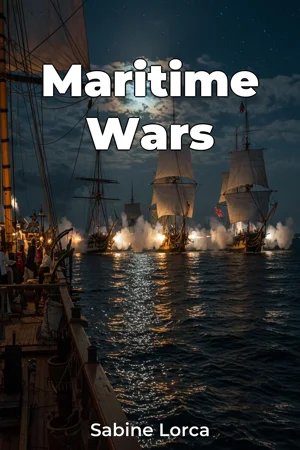
How have naval conflicts shaped the trajectory of the United States and the world? "Maritime Wars" delves into the critical role of the U.S. Navy in securing America's interests, from its formative years to its present status as a global maritime power. This book explores how naval power has been instrumental in shaping trade, influencing diplomatic relations, and serving as a cornerstone of national defense. It’s essential to understand these maritime conflicts not just as historical events, but as ongoing factors impacting modern geopolitics and economic stability. This exploration begins with the naval battles of the War of 1812, demonstrating how a fledgling American navy challenged the dominant British fleet. Without this challenge, the very idea of an independent and prosperous United States might have been in question. Progressing forward, the book examines the evolution of naval strategies and technologies, assessing their impact on U.S. foreign policy and economic expansion. Understanding these developments is crucial to appreciating the complexities of current international relations and the strategic significance of maritime dominance. "Maritime Wars" argues that the U.S. Navy has consistently served as a linchpin in projecting American power and safeguarding its economic interests. It reveals that naval conflicts are not isolated events but are intrinsically linked to broader historical, economic, and political trends. The book is structured to provide a comprehensive overview of U.S. naval history. It begins by setting the stage with an overview of early naval engagements, most notably the War of 1812, highlighting the strategic importance of naval strength in asserting sovereignty and protecting trade routes. The narrative then progresses through the 19th and 20th centuries, examining key conflicts and the evolution of naval doctrine. A significant portion addresses modern maritime operations, focusing on how the U.S. Navy has adapted to asymmetric threats, piracy, and maintaining open sea lanes in an era of globalization. The book culminates with an analysis of current challenges and future directions, considering the rise of new naval powers and the changing nature of maritime warfare. Support for this argument is drawn from diverse sources, including primary documents from naval archives, strategic analyses from military journals, and economic data illustrating the impact of naval power on international trade. The book integrates quantitative data on naval deployments and trade flows with qualitative analyses of strategic decision-making. "Maritime Wars" also connects to broader fields such as international relations, economics, and technology studies. Its analysis of naval strategy informs discussions of geopolitical power dynamics. Its examination of trade route security intersects with studies of global supply chains. Finally, its exploration of technological advancements in naval warfare contributes to broader discussions of technological innovation and its impact on society. This book provides a fresh perspective by connecting historical naval conflicts with contemporary maritime challenges, emphasizing the enduring relevance of naval power in a globalized world. The tone is factual and analytical, presenting complex information in an accessible manner for a broad audience. The intended audience includes history enthusiasts, military professionals, policymakers, and anyone interested in understanding the role of naval power in shaping global events. This book will appeal to those seeking a comprehensive and insightful analysis of U.S. maritime history and its continuing significance. As a work of military history, "Maritime Wars" emphasizes accurate portrayals of battles, strategies, and technological developments. While comprehensive, the book focuses primarily on the U.S. Navy's role, acknowledging that a complete history of global maritime conflicts is beyond its scope. The insights presented in "Maritime Wars" are applicable to current discussions of national security, trade policy, and international law, providing readers with a deeper understanding of the complex interplay between naval power and global affairs. The book addresses ongoing debates about the optimal size and composition of the U.S. Navy, offering historical context and strategic analysis to inform these critical discussions.
How have naval conflicts shaped the trajectory of the United States and the world? "Maritime Wars" delves into the critical role of the U.S. Navy in securing America's interests, from its formative years to its present status as a global maritime power. This book explores how naval power has been instrumental in shaping trade, influencing diplomatic relations, and serving as a cornerstone of national defense. It’s essential to understand these maritime conflicts not just as historical events, but as ongoing factors impacting modern geopolitics and economic stability. This exploration begins with the naval battles of the War of 1812, demonstrating how a fledgling American navy challenged the dominant British fleet. Without this challenge, the very idea of an independent and prosperous United States might have been in question. Progressing forward, the book examines the evolution of naval strategies and technologies, assessing their impact on U.S. foreign policy and economic expansion. Understanding these developments is crucial to appreciating the complexities of current international relations and the strategic significance of maritime dominance. "Maritime Wars" argues that the U.S. Navy has consistently served as a linchpin in projecting American power and safeguarding its economic interests. It reveals that naval conflicts are not isolated events but are intrinsically linked to broader historical, economic, and political trends. The book is structured to provide a comprehensive overview of U.S. naval history. It begins by setting the stage with an overview of early naval engagements, most notably the War of 1812, highlighting the strategic importance of naval strength in asserting sovereignty and protecting trade routes. The narrative then progresses through the 19th and 20th centuries, examining key conflicts and the evolution of naval doctrine. A significant portion addresses modern maritime operations, focusing on how the U.S. Navy has adapted to asymmetric threats, piracy, and maintaining open sea lanes in an era of globalization. The book culminates with an analysis of current challenges and future directions, considering the rise of new naval powers and the changing nature of maritime warfare. Support for this argument is drawn from diverse sources, including primary documents from naval archives, strategic analyses from military journals, and economic data illustrating the impact of naval power on international trade. The book integrates quantitative data on naval deployments and trade flows with qualitative analyses of strategic decision-making. "Maritime Wars" also connects to broader fields such as international relations, economics, and technology studies. Its analysis of naval strategy informs discussions of geopolitical power dynamics. Its examination of trade route security intersects with studies of global supply chains. Finally, its exploration of technological advancements in naval warfare contributes to broader discussions of technological innovation and its impact on society. This book provides a fresh perspective by connecting historical naval conflicts with contemporary maritime challenges, emphasizing the enduring relevance of naval power in a globalized world. The tone is factual and analytical, presenting complex information in an accessible manner for a broad audience. The intended audience includes history enthusiasts, military professionals, policymakers, and anyone interested in understanding the role of naval power in shaping global events. This book will appeal to those seeking a comprehensive and insightful analysis of U.S. maritime history and its continuing significance. As a work of military history, "Maritime Wars" emphasizes accurate portrayals of battles, strategies, and technological developments. While comprehensive, the book focuses primarily on the U.S. Navy's role, acknowledging that a complete history of global maritime conflicts is beyond its scope. The insights presented in "Maritime Wars" are applicable to current discussions of national security, trade policy, and international law, providing readers with a deeper understanding of the complex interplay between naval power and global affairs. The book addresses ongoing debates about the optimal size and composition of the U.S. Navy, offering historical context and strategic analysis to inform these critical discussions.
"Maritime Wars" explores the U.S. Navy's crucial role in shaping American interests and establishing the nation as a global maritime power. It argues that naval conflicts are not isolated events but are fundamentally linked to historical, economic, and political trends. For example, the War of 1812 demonstrated how a young American navy could challenge a dominant British fleet, influencing national sovereignty and trade routes. The book presents a detailed overview of U.S. naval history, highlighting how naval power has influenced diplomatic relations and secured economic interests. Beginning with early naval engagements like the War of 1812, the narrative progresses through the 19th and 20th centuries, examining key conflicts and the evolution of naval strategies. The book analyzes modern maritime operations, focusing on how the U.S. Navy has adapted to asymmetric threats and maintained open sea lanes. "Maritime Wars" provides a fresh perspective by connecting historical naval conflicts with contemporary maritime challenges, emphasizing the enduring relevance of naval power in geopolitics and national defense.
Book Details
ISBN
9788235270412
Publisher
Publifye AS
Your Licenses
You don't own any licenses for this book
Purchase a license below to unlock this book and download the EPUB.
Purchase License
Select a tier to unlock this book
Need bulk licensing?
Contact us for enterprise agreements.