
About This Book
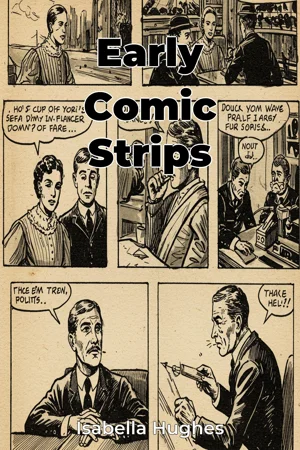
How did crude drawings in the late 19th century evolve into the sophisticated graphic novels and comics we know today? "Early Comic Strips" delves into this fascinating evolution, exploring how the nascent art form of newspaper comic strips laid the foundation for modern comics and graphic storytelling. This book examines the crucial period when comic strips transitioned from simple amusements to a powerful narrative medium, analyzing their artistic techniques, cultural impact, and influence on subsequent generations of artists. This exploration pivots on three central topics: the pioneering artists who shaped the medium, the narrative structures that emerged, and the reflection of societal values within these early strips. Understanding these aspects is fundamental not only to appreciating the historical context of comics but also to recognizing their ongoing influence on visual communication and storytelling. To fully appreciate the significance of these early comic strips, it’s essential to consider the late 19th and early 20th-century social and technological landscape. The rise of mass-circulation newspapers, advancements in printing technology, and increasing urbanization provided fertile ground for the growth of this new art form. Readers need only a basic familiarity with this historical period to grasp the context in which these strips flourished. The central argument of "Early Comic Strips" is that these seemingly simple newspaper features were instrumental in developing many of the conventions and creative possibilities that define modern comics. Their experimentation with panel layouts, character design, and narrative pacing established a visual language still used today. This argument is crucial because it challenges the common perception of early comics as mere trivial entertainment, highlighting their profound and lasting artistic contribution. The book is structured to systematically explore this argument. First, it introduces the key figures and artistic movements that defined the early years of comic strips, establishing the historical context. Then, it examines specific examples, analyzing their visual techniques and storytelling approaches. Major sections focus on the development of recurring characters, the use of visual humor, and the reflection of social and political themes within the strips. The book culminates by demonstrating how these early innovations directly influenced later generations of comic artists and the broader field of visual narrative. The analysis within "Early Comic Strips" is supported by extensive research into primary sources, including original newspaper archives and collections of early comic strips. It draws upon secondary scholarship in art history, media studies, and cultural history to provide a comprehensive and nuanced understanding of the subject. Unique data includes a compilation of early comic strip character appearances across various newspapers demonstrating their widespread appeal and evolution. Interdisciplinary connections enhance the book's argument. First, the book's analysis of visual storytelling techniques connects to the field of film studies, revealing parallels in narrative construction. Second, the examination of social themes within comic strips links to sociology, offering insights into the prevailing attitudes and values of the time. Lastly, the exploration of artistic styles relates to art history, placing early comic strips within a broader context of visual culture. "Early Comic Strips" stands out for its comprehensive and detailed analysis of a neglected period in comics history. It moves beyond simple description to offer a critical examination of the artistic and cultural significance of these early works, providing a fresh perspective on their legacy. Written in an accessible yet scholarly style, "Early Comic Strips" is aimed at students and scholars of art history, media studies, and popular culture, as well as comic book enthusiasts and anyone interested in the history of visual storytelling. It offers valuable insights into the evolution of a major art form and its enduring influence on contemporary culture. As a work of art history and performing arts, it emphasizes the creative processes and aesthetic values inherent in the creation and reception of early comic strips. While the book provides a broad overview of early newspaper comic strips, its primary focus is on the American context. It acknowledges the existence of similar developments in other countries but deliberately limits its scope to provide a more in-depth analysis of the American experience. The information presented in "Early Comic Strips" can be applied practically to the study of modern comics, graphic novels, and other forms of visual narrative. By understanding the foundational principles established in early comic strips, readers can gain a deeper appreciation for the artistic and narrative techniques used by contemporary creators and potentially apply these techniques to their own artistic endeavors. The book will also touch on some of the debates surrounding the artistic merit of early comic strips and their place within the broader history of art. By acknowledging these controversies, the book aims to provide a balanced and nuanced perspective on the subject.
How did crude drawings in the late 19th century evolve into the sophisticated graphic novels and comics we know today? "Early Comic Strips" delves into this fascinating evolution, exploring how the nascent art form of newspaper comic strips laid the foundation for modern comics and graphic storytelling. This book examines the crucial period when comic strips transitioned from simple amusements to a powerful narrative medium, analyzing their artistic techniques, cultural impact, and influence on subsequent generations of artists. This exploration pivots on three central topics: the pioneering artists who shaped the medium, the narrative structures that emerged, and the reflection of societal values within these early strips. Understanding these aspects is fundamental not only to appreciating the historical context of comics but also to recognizing their ongoing influence on visual communication and storytelling. To fully appreciate the significance of these early comic strips, it’s essential to consider the late 19th and early 20th-century social and technological landscape. The rise of mass-circulation newspapers, advancements in printing technology, and increasing urbanization provided fertile ground for the growth of this new art form. Readers need only a basic familiarity with this historical period to grasp the context in which these strips flourished. The central argument of "Early Comic Strips" is that these seemingly simple newspaper features were instrumental in developing many of the conventions and creative possibilities that define modern comics. Their experimentation with panel layouts, character design, and narrative pacing established a visual language still used today. This argument is crucial because it challenges the common perception of early comics as mere trivial entertainment, highlighting their profound and lasting artistic contribution. The book is structured to systematically explore this argument. First, it introduces the key figures and artistic movements that defined the early years of comic strips, establishing the historical context. Then, it examines specific examples, analyzing their visual techniques and storytelling approaches. Major sections focus on the development of recurring characters, the use of visual humor, and the reflection of social and political themes within the strips. The book culminates by demonstrating how these early innovations directly influenced later generations of comic artists and the broader field of visual narrative. The analysis within "Early Comic Strips" is supported by extensive research into primary sources, including original newspaper archives and collections of early comic strips. It draws upon secondary scholarship in art history, media studies, and cultural history to provide a comprehensive and nuanced understanding of the subject. Unique data includes a compilation of early comic strip character appearances across various newspapers demonstrating their widespread appeal and evolution. Interdisciplinary connections enhance the book's argument. First, the book's analysis of visual storytelling techniques connects to the field of film studies, revealing parallels in narrative construction. Second, the examination of social themes within comic strips links to sociology, offering insights into the prevailing attitudes and values of the time. Lastly, the exploration of artistic styles relates to art history, placing early comic strips within a broader context of visual culture. "Early Comic Strips" stands out for its comprehensive and detailed analysis of a neglected period in comics history. It moves beyond simple description to offer a critical examination of the artistic and cultural significance of these early works, providing a fresh perspective on their legacy. Written in an accessible yet scholarly style, "Early Comic Strips" is aimed at students and scholars of art history, media studies, and popular culture, as well as comic book enthusiasts and anyone interested in the history of visual storytelling. It offers valuable insights into the evolution of a major art form and its enduring influence on contemporary culture. As a work of art history and performing arts, it emphasizes the creative processes and aesthetic values inherent in the creation and reception of early comic strips. While the book provides a broad overview of early newspaper comic strips, its primary focus is on the American context. It acknowledges the existence of similar developments in other countries but deliberately limits its scope to provide a more in-depth analysis of the American experience. The information presented in "Early Comic Strips" can be applied practically to the study of modern comics, graphic novels, and other forms of visual narrative. By understanding the foundational principles established in early comic strips, readers can gain a deeper appreciation for the artistic and narrative techniques used by contemporary creators and potentially apply these techniques to their own artistic endeavors. The book will also touch on some of the debates surrounding the artistic merit of early comic strips and their place within the broader history of art. By acknowledging these controversies, the book aims to provide a balanced and nuanced perspective on the subject.
"Early Comic Strips" explores the evolution of simple 19th-century drawings into today's sophisticated comics and graphic novels. The book examines how early newspaper comic strips established the foundation for modern visual storytelling, analyzing their techniques, cultural impact, and influence. These early strips weren't just trivial entertainment; they pioneered panel layouts, character designs, and narrative pacing, establishing a visual language still in use. The rise of mass-circulation newspapers and advancements in printing fueled this new art form, reflecting societal values and pioneering visual narrative. The book progresses systematically, first introducing key figures and artistic movements to set the historical context. It then analyzes specific examples, focusing on recurring characters, visual humor, and social and political themes. A key argument is that these early comics significantly contributed to the conventions of modern comics. This in-depth exploration offers a fresh perspective on the legacy of early comic strips and their lasting artistic contribution to the performing arts.
Book Details
ISBN
9788235270276
Publisher
Publifye AS
Your Licenses
You don't own any licenses for this book
Purchase a license below to unlock this book and download the EPUB.
Purchase License
Select a tier to unlock this book
Need bulk licensing?
Contact us for enterprise agreements.