
About This Book
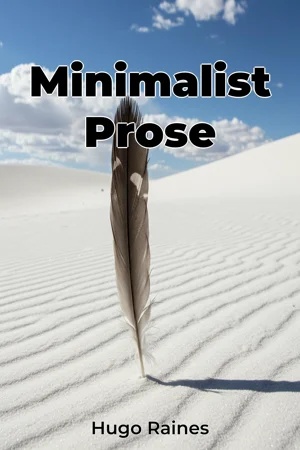
Can less really be more? Minimalist Prose explores the power of precision and brevity in essay writing, demonstrating how carefully chosen words, intentionally placed, can amplify meaning and create a more profound impact on the reader. This book delves into the art of crafting essays that resonate through their conciseness, challenging the notion that complexity necessitates verbosity. We examine how eliminating excess and prioritizing clarity can lead to more effective and compelling communication. Two key concepts explored are economy of language and intentionality of word choice. Economy of language, in this context, focuses on conveying ideas using the fewest words possible without sacrificing depth or nuance. Intentionality of word choice emphasizes the deliberate selection of each word to maximize its impact, considering its connotations, rhythm, and relationship to the surrounding text. These concepts are important because they provide writers with tools to cut through the noise and directly engage their audience. Minimalist Prose draws upon the historical context of literary movements that championed brevity, such as Imagism and certain strains of Modernism, tracing their influence on contemporary essay writing. While no prior knowledge in linguistics is strictly required, a familiarity with basic literary terms will enhance the reading experience. The central argument of this book is that minimalist techniques are not about simple reduction, but rather about deliberate construction, resulting in essays that are both elegant and impactful. It argues that embracing brevity as a stylistic choice forces writers to think critically about their message, prioritize their ideas, and connect with readers more effectively. The book is structured to guide readers through the theory and practice of minimalist prose. It begins by introducing core concepts like concision, active voice, and sentence structuring. It then develops these ideas through explorations of successful minimalist essays across genres. Major points include: analyzing the impact of specific word choices, demonstrating techniques for streamlining complex sentences, and illustrating how to build tension and narrative through strategic omissions. The book culminates in guidance for applying these techniques to the reader's own work, providing practical exercises and revision strategies. The evidence presented includes close readings of published essays, examples of effective sentence-level revisions, and analyses of stylistic choices made by established writers. We use comparative analyses, contrasting verbose passages with their minimalist counterparts, to clearly demonstrate the impact of concision. This book connects to fields such as rhetoric, communications, and creative writing. Rhetoric provides a theoretical framework for persuasive writing, while communications emphasizes effective message delivery. Creative writing offers practical application of literary techniques. These connections enrich our understanding of how minimalist prose can be used to achieve specific communicative goals. Minimalist Prose offers a unique perspective by framing brevity not as a limitation, but as a powerful tool for artistic expression and effective communication. It diverges from traditional writing guides by focusing specifically on the deliberate and strategic use of concision to enhance meaning, rather than simply advocating for shorter sentences. The tone is analytical and informative, while remaining accessible to a broad audience of writers. The writing style blends theoretical discussion with practical examples, making the concepts easy to grasp and apply. The target audience includes students of writing, aspiring essayists, and anyone who wants to improve their communication skills. The book is valuable to them because it provides a clear, actionable framework for crafting more impactful prose. As a work in the genre of literary essay analysis and language arts, this book adheres to standards of scholarly rigor and clear explication. It assumes no prior expertise in its readers and ensures that the discussions are engaging and well-supported with evidence. The scope of the book is limited to the stylistic elements of minimalist prose within the essay form. While it touches on broader principles of effective writing, it does not delve into other genres such as fiction or poetry, or other forms of business or technical writing. The real-world applications of the information in this book are diverse. Readers can apply these techniques to improve their academic writing, craft compelling personal essays, and communicate more effectively in professional settings. Minimalist Prose addresses the ongoing debate about the role of style in writing, particularly the tension between clarity and complexity. By showcasing the power of brevity, it challenges the notion that sophisticated ideas require convoluted language.
Can less really be more? Minimalist Prose explores the power of precision and brevity in essay writing, demonstrating how carefully chosen words, intentionally placed, can amplify meaning and create a more profound impact on the reader. This book delves into the art of crafting essays that resonate through their conciseness, challenging the notion that complexity necessitates verbosity. We examine how eliminating excess and prioritizing clarity can lead to more effective and compelling communication. Two key concepts explored are economy of language and intentionality of word choice. Economy of language, in this context, focuses on conveying ideas using the fewest words possible without sacrificing depth or nuance. Intentionality of word choice emphasizes the deliberate selection of each word to maximize its impact, considering its connotations, rhythm, and relationship to the surrounding text. These concepts are important because they provide writers with tools to cut through the noise and directly engage their audience. Minimalist Prose draws upon the historical context of literary movements that championed brevity, such as Imagism and certain strains of Modernism, tracing their influence on contemporary essay writing. While no prior knowledge in linguistics is strictly required, a familiarity with basic literary terms will enhance the reading experience. The central argument of this book is that minimalist techniques are not about simple reduction, but rather about deliberate construction, resulting in essays that are both elegant and impactful. It argues that embracing brevity as a stylistic choice forces writers to think critically about their message, prioritize their ideas, and connect with readers more effectively. The book is structured to guide readers through the theory and practice of minimalist prose. It begins by introducing core concepts like concision, active voice, and sentence structuring. It then develops these ideas through explorations of successful minimalist essays across genres. Major points include: analyzing the impact of specific word choices, demonstrating techniques for streamlining complex sentences, and illustrating how to build tension and narrative through strategic omissions. The book culminates in guidance for applying these techniques to the reader's own work, providing practical exercises and revision strategies. The evidence presented includes close readings of published essays, examples of effective sentence-level revisions, and analyses of stylistic choices made by established writers. We use comparative analyses, contrasting verbose passages with their minimalist counterparts, to clearly demonstrate the impact of concision. This book connects to fields such as rhetoric, communications, and creative writing. Rhetoric provides a theoretical framework for persuasive writing, while communications emphasizes effective message delivery. Creative writing offers practical application of literary techniques. These connections enrich our understanding of how minimalist prose can be used to achieve specific communicative goals. Minimalist Prose offers a unique perspective by framing brevity not as a limitation, but as a powerful tool for artistic expression and effective communication. It diverges from traditional writing guides by focusing specifically on the deliberate and strategic use of concision to enhance meaning, rather than simply advocating for shorter sentences. The tone is analytical and informative, while remaining accessible to a broad audience of writers. The writing style blends theoretical discussion with practical examples, making the concepts easy to grasp and apply. The target audience includes students of writing, aspiring essayists, and anyone who wants to improve their communication skills. The book is valuable to them because it provides a clear, actionable framework for crafting more impactful prose. As a work in the genre of literary essay analysis and language arts, this book adheres to standards of scholarly rigor and clear explication. It assumes no prior expertise in its readers and ensures that the discussions are engaging and well-supported with evidence. The scope of the book is limited to the stylistic elements of minimalist prose within the essay form. While it touches on broader principles of effective writing, it does not delve into other genres such as fiction or poetry, or other forms of business or technical writing. The real-world applications of the information in this book are diverse. Readers can apply these techniques to improve their academic writing, craft compelling personal essays, and communicate more effectively in professional settings. Minimalist Prose addresses the ongoing debate about the role of style in writing, particularly the tension between clarity and complexity. By showcasing the power of brevity, it challenges the notion that sophisticated ideas require convoluted language.
"Minimalist Prose" explores the art of crafting impactful essays through precision and brevity. It champions the idea that less can indeed be more, demonstrating how carefully chosen words amplify meaning. The book delves into *economy of language*, showing how conveying ideas concisely, without sacrificing depth, strengthens communication. Another key aspect is *intentionality*, emphasizing the deliberate selection of each word to maximize its effect. The book examines historical influences, like Imagism, on contemporary essay writing. It guides readers through core concepts such as concision and active voice, progresses to analyzing successful minimalist essays, and concludes with practical exercises for applying these techniques. By framing brevity as a powerful tool, "Minimalist Prose" offers a unique perspective on effective communication and challenges the notion that complexity requires verbosity.
Book Details
ISBN
9788235270252
Publisher
Publifye AS
Your Licenses
You don't own any licenses for this book
Purchase a license below to unlock this book and download the EPUB.
Purchase License
Select a tier to unlock this book
Need bulk licensing?
Contact us for enterprise agreements.