
About This Book
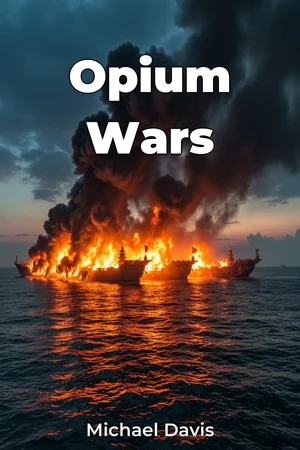
What if the insatiable demand for a single commodity could ignite a war, reshape global trade, and define the destiny of nations? This book, "Opium Wars," delves into the complex and often brutal history of the Opium Wars between Great Britain and China, a conflict that forever altered the balance of power in the 19th century and continues to resonate in international relations today. This book addresses two key intertwined themes: the dynamics of international trade and the consequences of unequal power. Understanding these themes is crucial because the Opium Wars serve as a potent example of how economic interests, when pursued without ethical or moral restraint, can lead to devastating human and political consequences. Furthermore, the legacy of these wars continues to shape China's relationship with the West. To fully grasp the significance of the Opium Wars, it’s essential to understand the historical context. By the late 18th and early 19th centuries, a significant trade imbalance existed between Britain and China. Britain craved Chinese goods like tea, silk, and porcelain, but China had little demand for British products. To rectify this imbalance, the British East India Company began cultivating and exporting opium from India to China. As opium addiction spread within China, the Qing government attempted to suppress the trade, leading to direct conflict with Britain. The central argument of this book is that the Opium Wars were not merely about opium, but about Britain’s determination to impose free trade on China, even if it meant undermining Chinese sovereignty and public health. This argument is vital because it challenges simplistic narratives of the conflict and exposes the underlying power dynamics and economic imperialism at play. "Opium Wars" is structured to provide a comprehensive and nuanced analysis of these events. The book begins by introducing the historical context, detailing the trade relations between Britain and China and the rise of the opium trade. It then examines the First Opium War (1839-1842), focusing on the military strategies, key battles, and the resulting Treaty of Nanking, which ceded Hong Kong to Britain and opened several Chinese ports to foreign trade. The book also investigates the causes and consequences of the Second Opium War (1856-1860), including the Arrow War incident, the involvement of France, and the further erosion of Chinese sovereignty. The book culminates by analyzing the long-term impacts of the Opium Wars on China, including its economic exploitation, political instability, and the rise of anti-foreign sentiment. The book relies on a variety of primary and secondary sources to support its arguments. These include official government documents, diplomatic correspondence, personal accounts of soldiers and traders, and contemporary newspaper reports. Additionally, the analysis incorporates recent scholarship on the Opium Wars, providing a balanced and up-to-date perspective. The study of the Opium Wars has explicit interdisciplinary connections. Firstly, there is the study of economics which helps to illuminate the economic motivations behind British imperialism. Secondly, political science provides a framework for understanding the power dynamics between states and the impact of treaties and international law. Finally, sociology provides insights into the social consequences of opium addiction and the disruption of Chinese society. This book takes a unique approach by examining the Opium Wars not as isolated events, but as a crucial turning point in the history of globalization. It argues that these wars set a precedent for Western intervention in Asia and shaped the trajectory of China's modern development. Written in a clear and accessible style, "Opium Wars" is aimed at students, scholars, and general readers interested in military history, world history, and the history of imperialism. It will be especially valuable to those seeking a deeper understanding of the complex relationship between China and the West. The book's scope is broad, encompassing the political, economic, social, and military dimensions of the Opium Wars. However, it focuses primarily on the perspectives of Britain and China, acknowledging that other actors, such as the United States and other European powers, also played a role in the events of the period. The lessons of the Opium Wars remain relevant today. Understanding the history of these conflicts can help us better understand the dynamics of international trade, the ethical implications of economic policies, and the enduring legacy of colonialism. The Opium Wars are subject to ongoing debate, particularly regarding the moral justifications for British actions and the long-term impact of these wars on China's development. This book critically examines these debates, offering a balanced and nuanced perspective on this complex and controversial period in history.
What if the insatiable demand for a single commodity could ignite a war, reshape global trade, and define the destiny of nations? This book, "Opium Wars," delves into the complex and often brutal history of the Opium Wars between Great Britain and China, a conflict that forever altered the balance of power in the 19th century and continues to resonate in international relations today. This book addresses two key intertwined themes: the dynamics of international trade and the consequences of unequal power. Understanding these themes is crucial because the Opium Wars serve as a potent example of how economic interests, when pursued without ethical or moral restraint, can lead to devastating human and political consequences. Furthermore, the legacy of these wars continues to shape China's relationship with the West. To fully grasp the significance of the Opium Wars, it’s essential to understand the historical context. By the late 18th and early 19th centuries, a significant trade imbalance existed between Britain and China. Britain craved Chinese goods like tea, silk, and porcelain, but China had little demand for British products. To rectify this imbalance, the British East India Company began cultivating and exporting opium from India to China. As opium addiction spread within China, the Qing government attempted to suppress the trade, leading to direct conflict with Britain. The central argument of this book is that the Opium Wars were not merely about opium, but about Britain’s determination to impose free trade on China, even if it meant undermining Chinese sovereignty and public health. This argument is vital because it challenges simplistic narratives of the conflict and exposes the underlying power dynamics and economic imperialism at play. "Opium Wars" is structured to provide a comprehensive and nuanced analysis of these events. The book begins by introducing the historical context, detailing the trade relations between Britain and China and the rise of the opium trade. It then examines the First Opium War (1839-1842), focusing on the military strategies, key battles, and the resulting Treaty of Nanking, which ceded Hong Kong to Britain and opened several Chinese ports to foreign trade. The book also investigates the causes and consequences of the Second Opium War (1856-1860), including the Arrow War incident, the involvement of France, and the further erosion of Chinese sovereignty. The book culminates by analyzing the long-term impacts of the Opium Wars on China, including its economic exploitation, political instability, and the rise of anti-foreign sentiment. The book relies on a variety of primary and secondary sources to support its arguments. These include official government documents, diplomatic correspondence, personal accounts of soldiers and traders, and contemporary newspaper reports. Additionally, the analysis incorporates recent scholarship on the Opium Wars, providing a balanced and up-to-date perspective. The study of the Opium Wars has explicit interdisciplinary connections. Firstly, there is the study of economics which helps to illuminate the economic motivations behind British imperialism. Secondly, political science provides a framework for understanding the power dynamics between states and the impact of treaties and international law. Finally, sociology provides insights into the social consequences of opium addiction and the disruption of Chinese society. This book takes a unique approach by examining the Opium Wars not as isolated events, but as a crucial turning point in the history of globalization. It argues that these wars set a precedent for Western intervention in Asia and shaped the trajectory of China's modern development. Written in a clear and accessible style, "Opium Wars" is aimed at students, scholars, and general readers interested in military history, world history, and the history of imperialism. It will be especially valuable to those seeking a deeper understanding of the complex relationship between China and the West. The book's scope is broad, encompassing the political, economic, social, and military dimensions of the Opium Wars. However, it focuses primarily on the perspectives of Britain and China, acknowledging that other actors, such as the United States and other European powers, also played a role in the events of the period. The lessons of the Opium Wars remain relevant today. Understanding the history of these conflicts can help us better understand the dynamics of international trade, the ethical implications of economic policies, and the enduring legacy of colonialism. The Opium Wars are subject to ongoing debate, particularly regarding the moral justifications for British actions and the long-term impact of these wars on China's development. This book critically examines these debates, offering a balanced and nuanced perspective on this complex and controversial period in history.
"Opium Wars" explores the 19th-century conflicts between Great Britain and China, revealing how the opium trade ignited a war that reshaped global trade and power dynamics. The book delves into the historical context, highlighting Britain's insatiable desire for Chinese goods like tea, silk, and porcelain, and China's limited demand for British products. This trade imbalance led the British East India Company to cultivate and export opium from India to China, resulting in widespread addiction and ultimately, war. The book argues that the Opium Wars were about more than just opium; they represented Britain's determination to impose free trade on China, even at the expense of Chinese sovereignty and public health. The book examines the First and Second Opium Wars, focusing on military strategies, key battles, and the resulting treaties, such as the Treaty of Nanking, which ceded Hong Kong to Britain. By utilizing primary and secondary sources, including government documents and personal accounts, the book provides a balanced and up-to-date perspective on the economic imperialism at play. The study also connects these historical events to economics, political science, and sociology, to provide a comprehensive analysis. Structured to provide a nuanced understanding, the book progresses from the rise of the opium trade to the long-term impacts on China, including economic exploitation and political instability. This approach offers a valuable perspective for students, scholars, and general readers interested in military history and world history, particularly those seeking to understand the complex relationship between China and the West.
Book Details
ISBN
9788235270214
Publisher
Publifye AS
Your Licenses
You don't own any licenses for this book
Purchase a license below to unlock this book and download the EPUB.
Purchase License
Select a tier to unlock this book
Need bulk licensing?
Contact us for enterprise agreements.