
About This Book
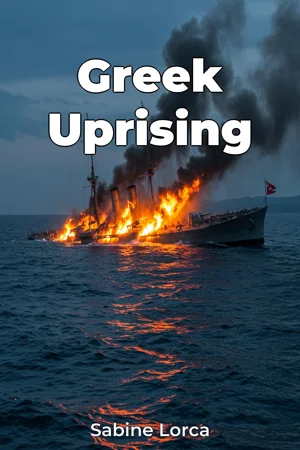
Was the Greek War of Independence merely a regional uprising, or did it ignite a flame that reshaped the European political landscape? "Greek Uprising" delves into the heart of this pivotal conflict, examining not just the battles fought, but also the complex web of international relations, ideological currents, and societal transformations that defined Greece’s struggle for freedom. This book argues that the Greek War of Independence (1821-1829) was a watershed moment in European history, marking a shift towards national self-determination and challenging the established order of empires. The narrative explores three essential aspects of the conflict: the internal dynamics of the Greek revolutionary movement, the critical military campaigns that shaped the war's outcome, and the profound impact of the uprising on European politics and the rise of philhellenism. Understanding these elements is crucial to grasping the broader implications of the Greek struggle and its resonance in subsequent liberation movements. The book begins by establishing the historical context, detailing the centuries of Ottoman rule over Greece and the gradual emergence of Greek national identity. It examines the social, economic, and intellectual factors that fueled the desire for independence, including the role of the Orthodox Church, the influence of Enlightenment ideas, and the growth of a Greek merchant class. The study then progresses to the outbreak of the revolution, analyzing the key figures, factions, and strategies that defined the early stages of the conflict. Central to the book are detailed accounts of the major military campaigns, from the initial uprisings in the Peloponnese to the decisive naval battles that secured Greek independence. These narratives will analyze the military strategies employed by both sides, the challenges of insurgent warfare, and the crucial role of foreign intervention, including the involvement of Great Britain, France, and Russia. Drawing upon primary source accounts, military reports, and diplomatic correspondence, the book provides a comprehensive picture of the military dimensions of the war. The final section assesses the revolution’s impact on European politics and the rise of philhellenism. It explores how the Greek cause captured the imagination of European intellectuals, artists, and politicians, leading to widespread support for Greek independence. The book analyzes the diplomatic maneuvering that ultimately led to the establishment of an independent Greek state, examining the motivations and interests of the major European powers. It also considers the long-term consequences of the Greek War of Independence, including its influence on subsequent nationalist movements and its contribution to the decline of the Ottoman Empire. "Greek Uprising" draws upon a range of sources, including archival documents from Greek, Ottoman, and European archives, as well as contemporary accounts, memoirs, and pamphlets. It employs a multi-disciplinary approach, integrating military history, political analysis, and social history to provide a nuanced and comprehensive understanding of the Greek War of Independence. This book connects to broader themes in world history, such as the rise of nationalism, the decline of empires, and the role of international relations in shaping national destinies. It offers a fresh perspective on a pivotal moment in European history, challenging traditional interpretations and providing new insights. The book is written in a clear and accessible style, making it suitable for students, scholars, and anyone interested in military history, world history, or the history of Greece and the Ottoman Empire. Through rigorous research and engaging prose, "Greek Uprising" offers a valuable contribution to the study of this transformative conflict and its enduring legacy. While focusing on the military and political aspects of the uprising, this book acknowledges the limitations of fully exploring the social and cultural dimensions within these pages.
Was the Greek War of Independence merely a regional uprising, or did it ignite a flame that reshaped the European political landscape? "Greek Uprising" delves into the heart of this pivotal conflict, examining not just the battles fought, but also the complex web of international relations, ideological currents, and societal transformations that defined Greece’s struggle for freedom. This book argues that the Greek War of Independence (1821-1829) was a watershed moment in European history, marking a shift towards national self-determination and challenging the established order of empires. The narrative explores three essential aspects of the conflict: the internal dynamics of the Greek revolutionary movement, the critical military campaigns that shaped the war's outcome, and the profound impact of the uprising on European politics and the rise of philhellenism. Understanding these elements is crucial to grasping the broader implications of the Greek struggle and its resonance in subsequent liberation movements. The book begins by establishing the historical context, detailing the centuries of Ottoman rule over Greece and the gradual emergence of Greek national identity. It examines the social, economic, and intellectual factors that fueled the desire for independence, including the role of the Orthodox Church, the influence of Enlightenment ideas, and the growth of a Greek merchant class. The study then progresses to the outbreak of the revolution, analyzing the key figures, factions, and strategies that defined the early stages of the conflict. Central to the book are detailed accounts of the major military campaigns, from the initial uprisings in the Peloponnese to the decisive naval battles that secured Greek independence. These narratives will analyze the military strategies employed by both sides, the challenges of insurgent warfare, and the crucial role of foreign intervention, including the involvement of Great Britain, France, and Russia. Drawing upon primary source accounts, military reports, and diplomatic correspondence, the book provides a comprehensive picture of the military dimensions of the war. The final section assesses the revolution’s impact on European politics and the rise of philhellenism. It explores how the Greek cause captured the imagination of European intellectuals, artists, and politicians, leading to widespread support for Greek independence. The book analyzes the diplomatic maneuvering that ultimately led to the establishment of an independent Greek state, examining the motivations and interests of the major European powers. It also considers the long-term consequences of the Greek War of Independence, including its influence on subsequent nationalist movements and its contribution to the decline of the Ottoman Empire. "Greek Uprising" draws upon a range of sources, including archival documents from Greek, Ottoman, and European archives, as well as contemporary accounts, memoirs, and pamphlets. It employs a multi-disciplinary approach, integrating military history, political analysis, and social history to provide a nuanced and comprehensive understanding of the Greek War of Independence. This book connects to broader themes in world history, such as the rise of nationalism, the decline of empires, and the role of international relations in shaping national destinies. It offers a fresh perspective on a pivotal moment in European history, challenging traditional interpretations and providing new insights. The book is written in a clear and accessible style, making it suitable for students, scholars, and anyone interested in military history, world history, or the history of Greece and the Ottoman Empire. Through rigorous research and engaging prose, "Greek Uprising" offers a valuable contribution to the study of this transformative conflict and its enduring legacy. While focusing on the military and political aspects of the uprising, this book acknowledges the limitations of fully exploring the social and cultural dimensions within these pages.
"Greek Uprising" examines the Greek War of Independence, positioning it as a watershed moment that reshaped European politics and ignited the flame of national self-determination. This military history delves into the conflict's internal dynamics, key military campaigns, and the surge of philhellenism across Europe. One intriguing aspect is how the Greek cause captured the hearts of European intellectuals, artists, and politicians, leading to widespread support. The book also highlights the critical role of foreign intervention from Great Britain, France, and Russia in securing Greek independence, demonstrating the complex interplay of international relations. The book progresses chronologically, starting with the historical context of Ottoman rule and the rise of Greek national identity. It then provides detailed accounts of major military campaigns and concludes by assessing the revolution's broader impact on European politics. By drawing upon archival documents and contemporary accounts, "Greek Uprising" adopts a multi-disciplinary approach, integrating military, political, and social history. This offers a nuanced understanding of the Greek War of Independence, its influence on subsequent nationalist movements, and its contribution to the decline of the Ottoman Empire.
Book Details
ISBN
9788235270054
Publisher
Publifye AS
Your Licenses
You don't own any licenses for this book
Purchase a license below to unlock this book and download the EPUB.
Purchase License
Select a tier to unlock this book
Need bulk licensing?
Contact us for enterprise agreements.