
About This Book
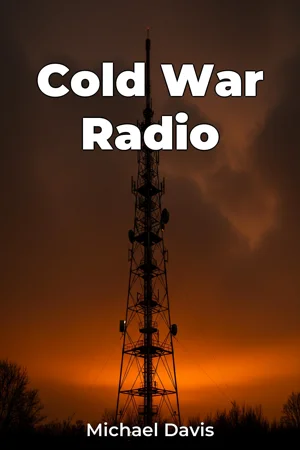
Imagine a world where the airwaves are battlefields, and words are weapons. "Cold War Radio" delves into the crucial role radio broadcasting played during the Cold War, functioning not only as a medium for propaganda and political messaging but also as a clandestine channel for espionage and psychological warfare. Radio's significance is paramount because it transcended geographical boundaries and ideological divides, directly reaching populations behind the Iron Curtain and shaping global public opinion. This book explores how radio became an instrument of both overt and covert operations, impacting the geopolitical landscape of the 20th century. We begin by establishing the historical backdrop of the Cold War, emphasizing the ideological chasm between the United States and the Soviet Union and the ensuing arms race. Understanding the political and social climate is vital to grasping the importance of radio as a tool for influencing hearts and minds. We then introduce key concepts such as propaganda, psychological warfare, and signals intelligence, explaining how these elements converged within the realm of Cold War radio operations. The central argument of "Cold War Radio" posits that radio broadcasting was an indispensable instrument of statecraft, intelligence gathering, and ideological conflict during the Cold War. It was more than just a medium; it was a strategic asset that significantly shaped the course of the conflict, influencing political events, societal attitudes, and individual behaviors on both sides of the Iron Curtain. This argument is important because it challenges conventional understandings of the Cold War narrative, highlighting the often-overlooked role of information warfare. The book is structured to provide a comprehensive understanding of this subject. First, we will explore the establishment and operation of key broadcasting entities, such as Radio Free Europe, Radio Liberty, and the Voice of America, detailing their missions, target audiences, and programming strategies. Second, the book will analyze the Soviet Union's parallel efforts to counter Western broadcasts, including the use of jamming technology and the dissemination of its own propaganda. Third, "Cold War Radio" examines the use of radio for clandestine communications, including the transmission of coded messages to spies and the coordination of covert operations. This section will offer insights into the world of espionage and the intricate methods used to maintain secrecy. To support these arguments, the book draws upon a range of primary and secondary sources, including archival documents from government agencies, personal accounts of broadcasters and intelligence officers, and transcripts of radio broadcasts. It will also analyze declassified intelligence reports and technical manuals related to radio technology and signal analysis. This book connects to other fields such as political science, communication studies, and intelligence history. Its findings offer insights into the dynamics of international relations, the power of mass media, and the evolution of espionage techniques. "Cold War Radio" provides a unique perspective by examining the intersection of radio technology, political strategy, and human psychology during the Cold War. It offers a fresh interpretation of historical events, emphasizing the human element behind the technology and the profound impact of radio on individuals and societies. The overall tone of the book is academic but accessible, aiming to inform and engage a broad audience. It combines rigorous research with compelling storytelling, presenting complex information in a clear and engaging manner. The target audience includes students, scholars, and general readers interested in Cold War history, military history, media studies, and intelligence operations. The book would be valuable to them because it offers a comprehensive and nuanced understanding of a crucial aspect of the Cold War that has often been overlooked. In line with the conventions of military history and political science, the book maintains a fact-based, analytical approach, presenting evidence and arguments in a clear and objective manner. The scope of the book is limited to the role of radio broadcasting in the Cold War, focusing primarily on the activities of the United States and the Soviet Union. It does not delve into other forms of communication or other geopolitical conflicts. The information presented in the book can be applied practically by readers interested in understanding contemporary information warfare, propaganda techniques, and the role of media in shaping public opinion. It offers valuable insights into the strategies and tactics used to influence populations and conduct covert operations. The book addresses ongoing debates about the effectiveness of propaganda and the ethical implications of using media for political purposes. It examines the controversies surrounding the activities of Radio Free Europe and Radio Liberty, as well as the Soviet Union's efforts to control information and suppress dissent.
Imagine a world where the airwaves are battlefields, and words are weapons. "Cold War Radio" delves into the crucial role radio broadcasting played during the Cold War, functioning not only as a medium for propaganda and political messaging but also as a clandestine channel for espionage and psychological warfare. Radio's significance is paramount because it transcended geographical boundaries and ideological divides, directly reaching populations behind the Iron Curtain and shaping global public opinion. This book explores how radio became an instrument of both overt and covert operations, impacting the geopolitical landscape of the 20th century. We begin by establishing the historical backdrop of the Cold War, emphasizing the ideological chasm between the United States and the Soviet Union and the ensuing arms race. Understanding the political and social climate is vital to grasping the importance of radio as a tool for influencing hearts and minds. We then introduce key concepts such as propaganda, psychological warfare, and signals intelligence, explaining how these elements converged within the realm of Cold War radio operations. The central argument of "Cold War Radio" posits that radio broadcasting was an indispensable instrument of statecraft, intelligence gathering, and ideological conflict during the Cold War. It was more than just a medium; it was a strategic asset that significantly shaped the course of the conflict, influencing political events, societal attitudes, and individual behaviors on both sides of the Iron Curtain. This argument is important because it challenges conventional understandings of the Cold War narrative, highlighting the often-overlooked role of information warfare. The book is structured to provide a comprehensive understanding of this subject. First, we will explore the establishment and operation of key broadcasting entities, such as Radio Free Europe, Radio Liberty, and the Voice of America, detailing their missions, target audiences, and programming strategies. Second, the book will analyze the Soviet Union's parallel efforts to counter Western broadcasts, including the use of jamming technology and the dissemination of its own propaganda. Third, "Cold War Radio" examines the use of radio for clandestine communications, including the transmission of coded messages to spies and the coordination of covert operations. This section will offer insights into the world of espionage and the intricate methods used to maintain secrecy. To support these arguments, the book draws upon a range of primary and secondary sources, including archival documents from government agencies, personal accounts of broadcasters and intelligence officers, and transcripts of radio broadcasts. It will also analyze declassified intelligence reports and technical manuals related to radio technology and signal analysis. This book connects to other fields such as political science, communication studies, and intelligence history. Its findings offer insights into the dynamics of international relations, the power of mass media, and the evolution of espionage techniques. "Cold War Radio" provides a unique perspective by examining the intersection of radio technology, political strategy, and human psychology during the Cold War. It offers a fresh interpretation of historical events, emphasizing the human element behind the technology and the profound impact of radio on individuals and societies. The overall tone of the book is academic but accessible, aiming to inform and engage a broad audience. It combines rigorous research with compelling storytelling, presenting complex information in a clear and engaging manner. The target audience includes students, scholars, and general readers interested in Cold War history, military history, media studies, and intelligence operations. The book would be valuable to them because it offers a comprehensive and nuanced understanding of a crucial aspect of the Cold War that has often been overlooked. In line with the conventions of military history and political science, the book maintains a fact-based, analytical approach, presenting evidence and arguments in a clear and objective manner. The scope of the book is limited to the role of radio broadcasting in the Cold War, focusing primarily on the activities of the United States and the Soviet Union. It does not delve into other forms of communication or other geopolitical conflicts. The information presented in the book can be applied practically by readers interested in understanding contemporary information warfare, propaganda techniques, and the role of media in shaping public opinion. It offers valuable insights into the strategies and tactics used to influence populations and conduct covert operations. The book addresses ongoing debates about the effectiveness of propaganda and the ethical implications of using media for political purposes. It examines the controversies surrounding the activities of Radio Free Europe and Radio Liberty, as well as the Soviet Union's efforts to control information and suppress dissent.
"Cold War Radio" examines the pivotal role of radio broadcasting as a strategic tool during the Cold War, highlighting its use in propaganda, espionage, and psychological warfare. The book argues that radio transcended its role as a mere medium, becoming a crucial instrument of statecraft, influencing political events and societal attitudes on both sides of the Iron Curtain. It showcases how radio waves became a battleground where political messaging and clandestine operations were waged, reaching populations directly and shaping global public opinion. The book explores the establishment and operation of key broadcasting entities like Radio Free Europe, Radio Liberty, and the Voice of America, detailing their missions and programming strategies. It also analyzes the Soviet Union's efforts to counter Western broadcasts, including jamming technology and disseminating its own propaganda. Progressing through its chapters, "Cold War Radio" delves into the use of radio for covert communications, such as transmitting coded messages to spies, offering insights into the intricate methods used to maintain secrecy in intelligence operations. Drawing upon archival documents, personal accounts, and declassified intelligence reports, the book offers a unique perspective on the intersection of radio technology, political strategy, and human psychology during the Cold War. It provides a comprehensive understanding of a crucial aspect of the Cold War, making it valuable for students, scholars, and general readers interested in military history, media studies, and intelligence operations.
Book Details
ISBN
9788235270023
Publisher
Publifye AS
Your Licenses
You don't own any licenses for this book
Purchase a license below to unlock this book and download the EPUB.
Purchase License
Select a tier to unlock this book
Need bulk licensing?
Contact us for enterprise agreements.