
About This Book
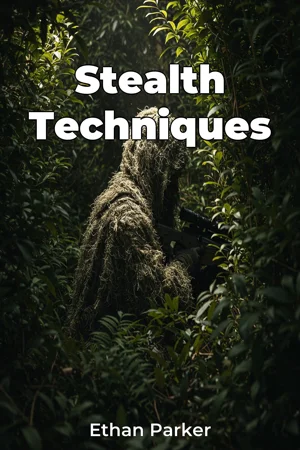
Have you ever wondered how spies and assassins operate in the shadows, blending seamlessly into their environments to achieve their objectives? "Stealth Techniques" delves into the real-world methodologies employed by covert operatives throughout history, and further explores their representation in popular culture, specifically in the realm of manga. This book analyzes the intersection of historical fact and fictional portrayal, offering a unique lens through which to understand the art and science of stealth. The core of this book centers on two main areas: the evolution of stealth tactics in military and espionage history, and the interpretation and dramatization of these techniques in Japanese manga. By examining these two seemingly disparate fields, we gain a deeper appreciation for the universal appeal and enduring fascination with the concepts of covert action, infiltration, and the manipulation of perception. Understanding these principles is critical not only for enthusiasts of military history and espionage, but also for anyone interested in the art of deception and the psychology of observation. "Stealth Techniques" provides a comprehensive look at the history of stealth, beginning with ancient warfare and progressing through modern-day espionage. This historical analysis includes the development of camouflage, concealment techniques, methods of infiltration, and the evolution of specialized weaponry. The book also offers a detailed examination of how these techniques have translated into the visual language of manga. It analyzes how artists and writers utilize visual cues, narrative structures, and character archetypes to depict stealth operations, exploring the balance between realism and creative license. Our central argument is that the principles of stealth, rooted in practical necessity and tactical advantage, have transcended their original military context to become a powerful and enduring narrative element in popular culture. The book demonstrates how manga, as a prominent form of visual storytelling, both reflects and shapes our understanding of these techniques, often amplifying their allure and mystique. The book is structured in three major parts. The first section will introduce the fundamental concepts of stealth, drawing from historical military manuals, intelligence agency training programs, and accounts of special operations. The second part will focus on the representation of these concepts in manga, analyzing specific titles and artistic techniques to illustrate key themes and trends. The final part will synthesize these two perspectives, exploring the cultural impact of stealth and its evolving role in both real-world applications and fictional narratives. The analysis is supported by a variety of sources, including declassified military documents, interviews with former intelligence operatives, and detailed examinations of manga artwork and narrative structure. The research incorporates both primary and secondary sources, providing a balanced and well-supported argument. This book connects to several interdisciplinary fields, including military history, film and television studies, and Japanese cultural studies. By bridging these disciplines, we offer a more nuanced and comprehensive understanding of stealth as both a practical skill and a cultural phenomenon. "Stealth Techniques" adopts a balanced and analytical tone, striving to present information in a clear and engaging manner. While grounded in historical research and technical analysis, the book remains accessible to a broad audience, including students, researchers, and anyone interested in the history of espionage and the world of manga. The intention is to bridge the gap between factual military history and fictional storytelling, offering readers the chance to deepen their comprehension of both. The book also acknowledges its limitations, primarily focusing on specific examples within manga and military history in the English-speaking world. While the principles discussed are broadly applicable, the cultural and historical context remains central to the analysis. Ultimately, "Stealth Techniques" is designed to provide readers with a multi-faceted understanding of stealth, offering insights into its historical roots, its practical applications, and its enduring presence in popular culture. It is a valuable resource for anyone seeking to understand the art of deception, the psychology of observation, and the enduring appeal of the shadows.
Have you ever wondered how spies and assassins operate in the shadows, blending seamlessly into their environments to achieve their objectives? "Stealth Techniques" delves into the real-world methodologies employed by covert operatives throughout history, and further explores their representation in popular culture, specifically in the realm of manga. This book analyzes the intersection of historical fact and fictional portrayal, offering a unique lens through which to understand the art and science of stealth. The core of this book centers on two main areas: the evolution of stealth tactics in military and espionage history, and the interpretation and dramatization of these techniques in Japanese manga. By examining these two seemingly disparate fields, we gain a deeper appreciation for the universal appeal and enduring fascination with the concepts of covert action, infiltration, and the manipulation of perception. Understanding these principles is critical not only for enthusiasts of military history and espionage, but also for anyone interested in the art of deception and the psychology of observation. "Stealth Techniques" provides a comprehensive look at the history of stealth, beginning with ancient warfare and progressing through modern-day espionage. This historical analysis includes the development of camouflage, concealment techniques, methods of infiltration, and the evolution of specialized weaponry. The book also offers a detailed examination of how these techniques have translated into the visual language of manga. It analyzes how artists and writers utilize visual cues, narrative structures, and character archetypes to depict stealth operations, exploring the balance between realism and creative license. Our central argument is that the principles of stealth, rooted in practical necessity and tactical advantage, have transcended their original military context to become a powerful and enduring narrative element in popular culture. The book demonstrates how manga, as a prominent form of visual storytelling, both reflects and shapes our understanding of these techniques, often amplifying their allure and mystique. The book is structured in three major parts. The first section will introduce the fundamental concepts of stealth, drawing from historical military manuals, intelligence agency training programs, and accounts of special operations. The second part will focus on the representation of these concepts in manga, analyzing specific titles and artistic techniques to illustrate key themes and trends. The final part will synthesize these two perspectives, exploring the cultural impact of stealth and its evolving role in both real-world applications and fictional narratives. The analysis is supported by a variety of sources, including declassified military documents, interviews with former intelligence operatives, and detailed examinations of manga artwork and narrative structure. The research incorporates both primary and secondary sources, providing a balanced and well-supported argument. This book connects to several interdisciplinary fields, including military history, film and television studies, and Japanese cultural studies. By bridging these disciplines, we offer a more nuanced and comprehensive understanding of stealth as both a practical skill and a cultural phenomenon. "Stealth Techniques" adopts a balanced and analytical tone, striving to present information in a clear and engaging manner. While grounded in historical research and technical analysis, the book remains accessible to a broad audience, including students, researchers, and anyone interested in the history of espionage and the world of manga. The intention is to bridge the gap between factual military history and fictional storytelling, offering readers the chance to deepen their comprehension of both. The book also acknowledges its limitations, primarily focusing on specific examples within manga and military history in the English-speaking world. While the principles discussed are broadly applicable, the cultural and historical context remains central to the analysis. Ultimately, "Stealth Techniques" is designed to provide readers with a multi-faceted understanding of stealth, offering insights into its historical roots, its practical applications, and its enduring presence in popular culture. It is a valuable resource for anyone seeking to understand the art of deception, the psychology of observation, and the enduring appeal of the shadows.
"Stealth Techniques" explores the fascinating world of covert operations, examining both the real-world methodologies used by spies and military personnel throughout history and their captivating portrayal in Japanese manga. Delving into the evolution of camouflage, concealment, and infiltration, the book reveals how these tactics have been crucial in military history and espionage. Interestingly, stealth techniques aren't just about physical concealment; they also involve manipulating perception and understanding the psychology of observation, skills vital in both warfare and espionage. The book uniquely bridges the gap between factual military history and fictional storytelling, analyzing how manga artists utilize visual cues and narrative structures to depict stealth operations. It progresses from the fundamental concepts of stealth, drawn from historical military manuals and intelligence agency training programs, to the representation of these concepts in manga, and finally synthesizes these two perspectives to explore the cultural impact of stealth. By examining specific manga titles and artistic techniques, "Stealth Techniques" demonstrates how visual storytelling amplifies the allure and mystique of espionage, deception, and covert action.
Book Details
ISBN
9788235269683
Publisher
Publifye AS
Your Licenses
You don't own any licenses for this book
Purchase a license below to unlock this book and download the EPUB.
Purchase License
Select a tier to unlock this book
Need bulk licensing?
Contact us for enterprise agreements.