
About This Book
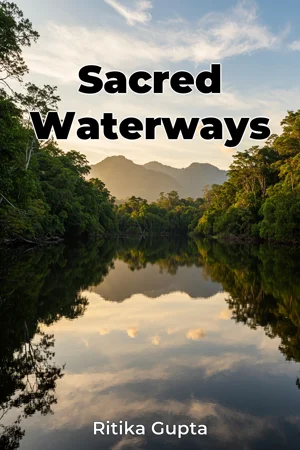
Have you ever considered how deeply interwoven indigenous cultures were, and still are, with the natural waterways that crisscross our planet? "Sacred Waterways" explores the profound connections between indigenous civilizations and the rivers and lakes that served as the lifeblood of their communities. This book examines how these waterways were not merely resources but were integral to transportation, trade, spiritual practices, and, ultimately, survival across diverse landscapes. Understanding this relationship is crucial for appreciating the ingenuity and resilience of indigenous peoples and for informing contemporary environmental stewardship. This book delves into the multifaceted role of water in indigenous societies, focusing on three key areas: sustenance and resource management, the cultural and spiritual significance of water, and the impact of ecological changes on these communities. It is important to understand the historical context of colonization and its disruptive influence on traditional water management practices. The central argument of "Sacred Waterways" is that indigenous relationships with water provide essential models for sustainable living and offer valuable insights into ecological balance that are increasingly relevant in the face of climate change. This perspective challenges conventional narratives of progress and development, highlighting the wisdom embedded in traditional knowledge. The book begins by introducing the concept of water as a sacred entity in many indigenous belief systems. The first section details how various indigenous groups across North and South America, Africa, and Oceania utilized rivers and lakes for fishing, agriculture, and hunting, emphasizing their sophisticated understanding of aquatic ecosystems. Moving forward, the narrative delves into the spiritual dimensions of water, exploring ceremonies, myths, and artistic expressions associated with these natural resources. The third section will examine the effects of modern development, resource extraction, and climate change on indigenous water rights and access, highlighting case studies of successful resistance and adaptation strategies. Finally, the book culminates by advocating for the integration of indigenous knowledge into contemporary water management policies. The evidence presented draws from a range of sources, including archaeological findings, ethnographic studies, oral histories, and environmental data. Particular attention is given to primary source materials, such as indigenous narratives and historical documents, to ensure authentic representation of indigenous perspectives. "Sacred Waterways" connects to several disciplines, including environmental science, anthropology, and history. By considering the ecological dimensions of indigenous practices, the book contributes to broader discussions about sustainability and conservation. The anthropological perspective allows for a nuanced understanding of cultural diversity and the impact of globalization on indigenous communities. The historical analysis provides context for current challenges and opportunities for reconciliation. What sets this book apart is its emphasis on indigenous voices and perspectives. It challenges the traditional top-down approach to environmental studies by prioritizing indigenous knowledge as a source of ecological wisdom. The book is written in an accessible, narrative style, aiming to engage a broad readership while maintaining scholarly rigor. The target audience includes students, researchers, policymakers, and anyone interested in environmental issues, indigenous studies, or sustainable development. The book's accessible style and compelling narratives will appeal to readers seeking a deeper understanding of the complex relationship between humans and the natural world. As a work of non-fiction, "Sacred Waterways" adheres to the conventions of factual accuracy, balanced perspective, and clear sourcing. It acknowledges the limitations of any single study and encourages readers to explore the topic further. The scope of the book is intentionally broad, encompassing diverse regions and cultures, but it also recognizes the importance of local knowledge and context-specific solutions. The information presented in "Sacred Waterways" has practical implications for water resource management, environmental policy, and intercultural dialogue. By highlighting the success stories of indigenous communities in protecting their water resources, the book provides inspiration and guidance for building a more sustainable and equitable future. There are ongoing debates about indigenous land rights and resource ownership, which this book addresses by presenting different perspectives and advocating for collaborative solutions.
Have you ever considered how deeply interwoven indigenous cultures were, and still are, with the natural waterways that crisscross our planet? "Sacred Waterways" explores the profound connections between indigenous civilizations and the rivers and lakes that served as the lifeblood of their communities. This book examines how these waterways were not merely resources but were integral to transportation, trade, spiritual practices, and, ultimately, survival across diverse landscapes. Understanding this relationship is crucial for appreciating the ingenuity and resilience of indigenous peoples and for informing contemporary environmental stewardship. This book delves into the multifaceted role of water in indigenous societies, focusing on three key areas: sustenance and resource management, the cultural and spiritual significance of water, and the impact of ecological changes on these communities. It is important to understand the historical context of colonization and its disruptive influence on traditional water management practices. The central argument of "Sacred Waterways" is that indigenous relationships with water provide essential models for sustainable living and offer valuable insights into ecological balance that are increasingly relevant in the face of climate change. This perspective challenges conventional narratives of progress and development, highlighting the wisdom embedded in traditional knowledge. The book begins by introducing the concept of water as a sacred entity in many indigenous belief systems. The first section details how various indigenous groups across North and South America, Africa, and Oceania utilized rivers and lakes for fishing, agriculture, and hunting, emphasizing their sophisticated understanding of aquatic ecosystems. Moving forward, the narrative delves into the spiritual dimensions of water, exploring ceremonies, myths, and artistic expressions associated with these natural resources. The third section will examine the effects of modern development, resource extraction, and climate change on indigenous water rights and access, highlighting case studies of successful resistance and adaptation strategies. Finally, the book culminates by advocating for the integration of indigenous knowledge into contemporary water management policies. The evidence presented draws from a range of sources, including archaeological findings, ethnographic studies, oral histories, and environmental data. Particular attention is given to primary source materials, such as indigenous narratives and historical documents, to ensure authentic representation of indigenous perspectives. "Sacred Waterways" connects to several disciplines, including environmental science, anthropology, and history. By considering the ecological dimensions of indigenous practices, the book contributes to broader discussions about sustainability and conservation. The anthropological perspective allows for a nuanced understanding of cultural diversity and the impact of globalization on indigenous communities. The historical analysis provides context for current challenges and opportunities for reconciliation. What sets this book apart is its emphasis on indigenous voices and perspectives. It challenges the traditional top-down approach to environmental studies by prioritizing indigenous knowledge as a source of ecological wisdom. The book is written in an accessible, narrative style, aiming to engage a broad readership while maintaining scholarly rigor. The target audience includes students, researchers, policymakers, and anyone interested in environmental issues, indigenous studies, or sustainable development. The book's accessible style and compelling narratives will appeal to readers seeking a deeper understanding of the complex relationship between humans and the natural world. As a work of non-fiction, "Sacred Waterways" adheres to the conventions of factual accuracy, balanced perspective, and clear sourcing. It acknowledges the limitations of any single study and encourages readers to explore the topic further. The scope of the book is intentionally broad, encompassing diverse regions and cultures, but it also recognizes the importance of local knowledge and context-specific solutions. The information presented in "Sacred Waterways" has practical implications for water resource management, environmental policy, and intercultural dialogue. By highlighting the success stories of indigenous communities in protecting their water resources, the book provides inspiration and guidance for building a more sustainable and equitable future. There are ongoing debates about indigenous land rights and resource ownership, which this book addresses by presenting different perspectives and advocating for collaborative solutions.
"Sacred Waterways" explores the profound and enduring connections between indigenous cultures and the vital waterways that have shaped their existence. These rivers and lakes were not just resources; they were central to transportation, trade, spiritual life, and overall survival. The book delves into how these communities sustainably managed their water resources for sustenance, and the cultural and spiritual significance of water, revealing that indigenous communities often viewed water as a sacred entity. Understanding this relationship is crucial for appreciating the ingenuity of indigenous peoples and applying their wisdom to contemporary environmental stewardship. The book begins by introducing the concept of water as sacred, then details how indigenous groups utilized waterways for fishing, agriculture, and hunting. It explores the ceremonies, myths, and artistic expressions associated with these resources. "Sacred Waterways" challenges conventional narratives by prioritizing indigenous knowledge, offering valuable insights into ecological balance that are increasingly relevant in the face of climate change. Examining environmental history, the book further investigates the disruptive impacts of colonization, modern development, and climate change on indigenous water rights. Highlighting indigenous perspectives, the book advocates for integrating indigenous knowledge into contemporary water resource management policies, offering models for sustainability and ecological balance applicable to current challenges.
Book Details
ISBN
9788235269409
Publisher
Publifye AS
Your Licenses
You don't own any licenses for this book
Purchase a license below to unlock this book and download the EPUB.
Purchase License
Select a tier to unlock this book
Need bulk licensing?
Contact us for enterprise agreements.