
About This Book
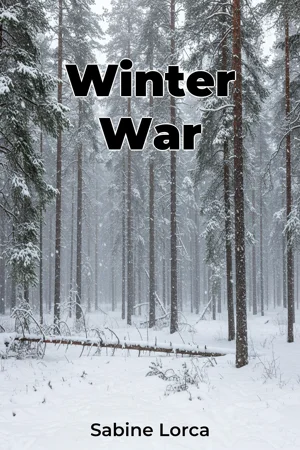
How did a David-versus-Goliath struggle on the snowy fields of Finland shape the course of World War II? This book, "Winter War," delves into the brutal 105-day conflict between the Soviet Union and Finland, analyzing not only the military strategies employed by both sides but also the wider global implications and lasting impact of this often-overlooked war. It examines how a small nation, vastly outnumbered and outgunned, managed to resist the Red Army, and how this resistance influenced subsequent events on the world stage. The book primarily focuses on three key areas: first, the military strategies and tactics utilized by both the Soviet Union and Finland, highlighting the contrasting approaches and effectiveness of each. Second, the global reactions to the Winter War, exploring how the conflict was perceived by different nations and the diplomatic maneuvering that ensued. Third, the war’s ultimate impact on the broader context of World War II, particularly its influence on Hitler’s perception of the Soviet military and the subsequent invasion of the Soviet Union. Understanding these topics is vital to appreciating the complex geopolitical landscape of the era and the cascading effects of localized conflicts. To fully understand the Winter War, it is crucial to grasp the historical context of Soviet expansionism and Finnish nationalism in the interwar period. The book will provide this background, outlining the territorial disputes and ideological clashes that ultimately led to the outbreak of hostilities. No prior knowledge of military history is strictly required, but a general understanding of European history in the 20th century will enrich the reading experience. The central argument of "Winter War" is that the Finnish resistance, while ultimately unsuccessful in preventing territorial losses, significantly weakened the Soviet Union's international image, revealed critical flaws in the Red Army's capabilities, and emboldened Hitler's decision to launch Operation Barbarossa. This argument challenges traditional narratives that often overlook the Winter War's crucial role in shaping the trajectory of World War II. The book is structured to methodically build upon this argument. It begins by introducing the main players and the pre-war political climate. It then develops the core ideas by dissecting the military campaigns, analyzing the diplomatic reactions of key nations, and assessing the war's propaganda value. Each major point is supported by detailed analysis of primary and secondary sources. The culmination of the argument demonstrates how the Winter War served as a crucial, albeit often unacknowledged, precursor to the larger conflict. The book explores the practical implications of the Winter War through lessons learned in military strategy and the lasting impact on Finnish national identity. The evidence and research presented in "Winter War" draw from a variety of sources, including Soviet and Finnish military archives, diplomatic cables, contemporary news reports, and personal accounts of soldiers and civilians. The book utilizes a comparative methodology to analyze the effectiveness of different military tactics and strategies employed by the opposing forces. This unique combination of sources and methods aims to provide a nuanced and comprehensive understanding of the conflict. The book establishes connections to several other fields of study, including political science (analyzing international relations and diplomacy), sociology (examining the impact of war on civilian populations and national identity), and military science (assessing the effectiveness of different military doctrines and technologies). These interdisciplinary connections enrich the book's argument by providing a broader perspective on the Winter War's significance. "Winter War" offers a fresh perspective by moving beyond a simple recounting of battles and focusing on the strategic and political ramifications of the conflict. It also offers insight into how a smaller, less equipped army could withstand the aggression of a large power, showcasing innovative concepts in winter warfare. The tone of the book is academic yet accessible, aiming to provide a rigorous analysis while remaining engaging for a broad audience. The writing style is clear and concise, avoiding jargon and technical terms whenever possible. The target audience for "Winter War" includes students of military history, World War II enthusiasts, and anyone interested in the dynamics of international relations and the strategies of asymmetric warfare. The book will also appeal to readers interested in Finnish history and culture. As a work of military history, "Winter War" adheres to genre conventions by providing detailed accounts of battles, troop movements, and weapon systems. It delves into military strategy and leadership, but it also explores the social and political context of the war. The scope of the book is limited to the period between the outbreak of the Winter War in November 1939 and the signing of the Moscow Peace Treaty in March 1940. It does not delve into the subsequent Continuation War between Finland and the Soviet Union, focusing instead on the specific circumstances and consequences of the initial conflict. The information presented in "Winter War" has real-world applications for military strategists, policymakers, and anyone interested in understanding the challenges of defending against a larger adversary. The book also offers insights into the importance of national resolve and the effectiveness of innovative military tactics. Finally, the book addresses the ongoing debates surrounding the Winter War, including the question of whether the Soviet Union's actions constituted an act of aggression and the extent to which the Finnish resistance influenced the course of World War II. By presenting a balanced and nuanced analysis of these controversies, "Winter War" contributes to a deeper understanding of this complex and consequential conflict.
How did a David-versus-Goliath struggle on the snowy fields of Finland shape the course of World War II? This book, "Winter War," delves into the brutal 105-day conflict between the Soviet Union and Finland, analyzing not only the military strategies employed by both sides but also the wider global implications and lasting impact of this often-overlooked war. It examines how a small nation, vastly outnumbered and outgunned, managed to resist the Red Army, and how this resistance influenced subsequent events on the world stage. The book primarily focuses on three key areas: first, the military strategies and tactics utilized by both the Soviet Union and Finland, highlighting the contrasting approaches and effectiveness of each. Second, the global reactions to the Winter War, exploring how the conflict was perceived by different nations and the diplomatic maneuvering that ensued. Third, the war’s ultimate impact on the broader context of World War II, particularly its influence on Hitler’s perception of the Soviet military and the subsequent invasion of the Soviet Union. Understanding these topics is vital to appreciating the complex geopolitical landscape of the era and the cascading effects of localized conflicts. To fully understand the Winter War, it is crucial to grasp the historical context of Soviet expansionism and Finnish nationalism in the interwar period. The book will provide this background, outlining the territorial disputes and ideological clashes that ultimately led to the outbreak of hostilities. No prior knowledge of military history is strictly required, but a general understanding of European history in the 20th century will enrich the reading experience. The central argument of "Winter War" is that the Finnish resistance, while ultimately unsuccessful in preventing territorial losses, significantly weakened the Soviet Union's international image, revealed critical flaws in the Red Army's capabilities, and emboldened Hitler's decision to launch Operation Barbarossa. This argument challenges traditional narratives that often overlook the Winter War's crucial role in shaping the trajectory of World War II. The book is structured to methodically build upon this argument. It begins by introducing the main players and the pre-war political climate. It then develops the core ideas by dissecting the military campaigns, analyzing the diplomatic reactions of key nations, and assessing the war's propaganda value. Each major point is supported by detailed analysis of primary and secondary sources. The culmination of the argument demonstrates how the Winter War served as a crucial, albeit often unacknowledged, precursor to the larger conflict. The book explores the practical implications of the Winter War through lessons learned in military strategy and the lasting impact on Finnish national identity. The evidence and research presented in "Winter War" draw from a variety of sources, including Soviet and Finnish military archives, diplomatic cables, contemporary news reports, and personal accounts of soldiers and civilians. The book utilizes a comparative methodology to analyze the effectiveness of different military tactics and strategies employed by the opposing forces. This unique combination of sources and methods aims to provide a nuanced and comprehensive understanding of the conflict. The book establishes connections to several other fields of study, including political science (analyzing international relations and diplomacy), sociology (examining the impact of war on civilian populations and national identity), and military science (assessing the effectiveness of different military doctrines and technologies). These interdisciplinary connections enrich the book's argument by providing a broader perspective on the Winter War's significance. "Winter War" offers a fresh perspective by moving beyond a simple recounting of battles and focusing on the strategic and political ramifications of the conflict. It also offers insight into how a smaller, less equipped army could withstand the aggression of a large power, showcasing innovative concepts in winter warfare. The tone of the book is academic yet accessible, aiming to provide a rigorous analysis while remaining engaging for a broad audience. The writing style is clear and concise, avoiding jargon and technical terms whenever possible. The target audience for "Winter War" includes students of military history, World War II enthusiasts, and anyone interested in the dynamics of international relations and the strategies of asymmetric warfare. The book will also appeal to readers interested in Finnish history and culture. As a work of military history, "Winter War" adheres to genre conventions by providing detailed accounts of battles, troop movements, and weapon systems. It delves into military strategy and leadership, but it also explores the social and political context of the war. The scope of the book is limited to the period between the outbreak of the Winter War in November 1939 and the signing of the Moscow Peace Treaty in March 1940. It does not delve into the subsequent Continuation War between Finland and the Soviet Union, focusing instead on the specific circumstances and consequences of the initial conflict. The information presented in "Winter War" has real-world applications for military strategists, policymakers, and anyone interested in understanding the challenges of defending against a larger adversary. The book also offers insights into the importance of national resolve and the effectiveness of innovative military tactics. Finally, the book addresses the ongoing debates surrounding the Winter War, including the question of whether the Soviet Union's actions constituted an act of aggression and the extent to which the Finnish resistance influenced the course of World War II. By presenting a balanced and nuanced analysis of these controversies, "Winter War" contributes to a deeper understanding of this complex and consequential conflict.
"Winter War" explores the pivotal 105-day conflict between Finland and the Soviet Union, demonstrating how this David-versus-Goliath struggle significantly shaped World War II. The book analyzes military strategies, global reactions, and the lasting impact of this often-overlooked war, revealing how Finnish resistance exposed critical flaws in the Red Army. This resistance, against Soviet expansionism, emboldened Hitler to launch Operation Barbarossa. The book challenges traditional narratives by highlighting the Winter War's crucial role in shaping the trajectory of World War II. It examines the contrasting military tactics used by both sides, the diplomatic maneuvering, and the influence on Hitler's perception of Soviet military strength. The book progresses methodically, first introducing key players and the pre-war climate, then dissecting military campaigns and diplomatic reactions, culminating in an analysis of the war's propaganda value. Drawing from military archives, diplomatic cables, and personal accounts, "Winter War" offers a fresh perspective by focusing on the strategic and political ramifications of the conflict. It showcases innovative concepts in winter warfare and how a smaller army withstood a larger power, providing valuable insights for military strategists and those interested in international relations.
Book Details
ISBN
9788235269300
Publisher
Publifye AS
Your Licenses
You don't own any licenses for this book
Purchase a license below to unlock this book and download the EPUB.
Purchase License
Select a tier to unlock this book
Need bulk licensing?
Contact us for enterprise agreements.