
About This Book
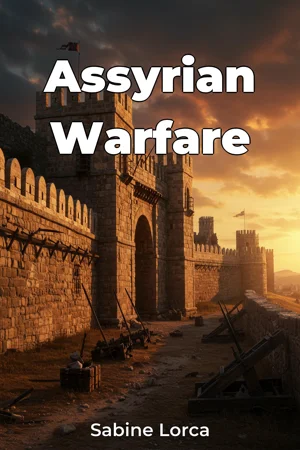
How did a relatively small kingdom in northern Mesopotamia forge an empire that dominated the Middle East for centuries, leaving an indelible mark on the art of warfare and statecraft? "Assyrian Warfare" delves into the military strategies, empire-building tactics, and lasting influence of the Assyrian Empire, revealing how its brutal efficiency and innovative approaches to siege warfare, logistics, and psychological operations shaped the future of the region and beyond. This book explores three central themes: the evolution of Assyrian military technology and tactics, the methods employed in constructing and maintaining their vast empire, and the empire's profound influence on subsequent Near Eastern powers, including the Babylonians and Persians. These themes are crucial because the Assyrians pioneered military and administrative techniques that became foundational elements of later empires, leaving a legacy that continues to resonate in the study of ancient history and military strategy. "Assyrian Warfare" provides a comprehensive historical context, charting the rise of the Assyrian state from its origins as a regional power, through its periods of expansion and consolidation, to its eventual decline and collapse. Readers will gain an understanding of the sociopolitical factors that underpinned Assyrian military success, including its highly organized society, centralized government, and religious ideology that promoted constant expansion. The central argument of this book is that the Assyrian Empire's military innovations and imperial strategies were not merely products of brute force, but rather the result of a sophisticated and calculated approach to warfare and governance. This success was predicated on a combination of technological advancements, logistical prowess, psychological warfare, and an effective system of administration that extracted resources and manpower from conquered territories. The book is structured to guide the reader through a complete understanding of Assyrian warfare. It begins with an introduction to the Assyrian state, its geographical context, and its early military history. Following this, the book examines the major components of the Assyrian war machine, including its infantry, cavalry, chariots, and siege engines. A detailed analysis of Assyrian siege warfare demonstrates its advanced engineering capabilities and its ruthless approach to conquering fortified cities. The book then turns to the administration of the Assyrian Empire, exploring how the Assyrians maintained control over their vast territories through a combination of military garrisons, deportations, and the imposition of tribute. Finally, it assesses the lasting impact of Assyrian military and imperial strategies on subsequent Middle Eastern powers, demonstrating how the Babylonians and Persians adopted and adapted Assyrian techniques to build their own empires. The arguments presented in this book are supported by a wide range of evidence, including archaeological excavations of Assyrian cities and battlefields, inscriptions from royal annals and administrative documents, and iconographic representations of warfare on reliefs and cylinder seals. Unique data sources, such as the detailed records of Assyrian military campaigns and the correspondence between Assyrian officials, offer unparalleled insights into the inner workings of the Assyrian war machine. "Assyrian Warfare" connects to several other fields of study, including archaeology, ancient history, political science, and military strategy. By integrating insights from these disciplines, the book provides a more nuanced and comprehensive understanding of the Assyrian Empire and its impact on world history. This book distinguishes itself through its focus on the interconnectedness of military innovation, imperial administration, and psychological warfare in the Assyrian Empire. It moves beyond a simple description of Assyrian military campaigns to offer a deeper analysis of the underlying factors that contributed to Assyrian success. The tone is scholarly, but accessible, with complex ideas presented in a clear and engaging manner. The writing style balances detailed analysis with narrative storytelling, bringing the world of ancient Assyria to life for the reader. The target audience includes students, scholars, and general readers with an interest in ancient history, military history, and the history of the Middle East. It will be valuable to anyone seeking a deeper understanding of the rise and fall of empires and the evolution of warfare. As a work of military history and world history, "Assyrian Warfare" adheres to the conventions of rigorous scholarship and historical accuracy. It presents a balanced and objective account of the Assyrian Empire, acknowledging both its achievements and its brutal methods. The scope of the book is limited to the military and imperial aspects of the Assyrian Empire, with less emphasis on other aspects of Assyrian society and culture. This focus allows for a more in-depth analysis of the factors that contributed to Assyrian military success and their lasting influence. The lessons learned from the study of Assyrian warfare have practical applications for understanding contemporary conflicts and the challenges of empire-building. By examining the successes and failures of the Assyrian Empire, we can gain valuable insights into the dynamics of power, the importance of logistics and technology, and the enduring impact of military innovation on the course of history. While most scholars recognize the Assyrians’ military prowess, debates persist regarding the extent of their cultural influence and the long-term consequences of their brutal tactics. "Assyrian Warfare" engages with these debates, presenting a nuanced and balanced perspective on the legacy of the Assyrian Empire.
How did a relatively small kingdom in northern Mesopotamia forge an empire that dominated the Middle East for centuries, leaving an indelible mark on the art of warfare and statecraft? "Assyrian Warfare" delves into the military strategies, empire-building tactics, and lasting influence of the Assyrian Empire, revealing how its brutal efficiency and innovative approaches to siege warfare, logistics, and psychological operations shaped the future of the region and beyond. This book explores three central themes: the evolution of Assyrian military technology and tactics, the methods employed in constructing and maintaining their vast empire, and the empire's profound influence on subsequent Near Eastern powers, including the Babylonians and Persians. These themes are crucial because the Assyrians pioneered military and administrative techniques that became foundational elements of later empires, leaving a legacy that continues to resonate in the study of ancient history and military strategy. "Assyrian Warfare" provides a comprehensive historical context, charting the rise of the Assyrian state from its origins as a regional power, through its periods of expansion and consolidation, to its eventual decline and collapse. Readers will gain an understanding of the sociopolitical factors that underpinned Assyrian military success, including its highly organized society, centralized government, and religious ideology that promoted constant expansion. The central argument of this book is that the Assyrian Empire's military innovations and imperial strategies were not merely products of brute force, but rather the result of a sophisticated and calculated approach to warfare and governance. This success was predicated on a combination of technological advancements, logistical prowess, psychological warfare, and an effective system of administration that extracted resources and manpower from conquered territories. The book is structured to guide the reader through a complete understanding of Assyrian warfare. It begins with an introduction to the Assyrian state, its geographical context, and its early military history. Following this, the book examines the major components of the Assyrian war machine, including its infantry, cavalry, chariots, and siege engines. A detailed analysis of Assyrian siege warfare demonstrates its advanced engineering capabilities and its ruthless approach to conquering fortified cities. The book then turns to the administration of the Assyrian Empire, exploring how the Assyrians maintained control over their vast territories through a combination of military garrisons, deportations, and the imposition of tribute. Finally, it assesses the lasting impact of Assyrian military and imperial strategies on subsequent Middle Eastern powers, demonstrating how the Babylonians and Persians adopted and adapted Assyrian techniques to build their own empires. The arguments presented in this book are supported by a wide range of evidence, including archaeological excavations of Assyrian cities and battlefields, inscriptions from royal annals and administrative documents, and iconographic representations of warfare on reliefs and cylinder seals. Unique data sources, such as the detailed records of Assyrian military campaigns and the correspondence between Assyrian officials, offer unparalleled insights into the inner workings of the Assyrian war machine. "Assyrian Warfare" connects to several other fields of study, including archaeology, ancient history, political science, and military strategy. By integrating insights from these disciplines, the book provides a more nuanced and comprehensive understanding of the Assyrian Empire and its impact on world history. This book distinguishes itself through its focus on the interconnectedness of military innovation, imperial administration, and psychological warfare in the Assyrian Empire. It moves beyond a simple description of Assyrian military campaigns to offer a deeper analysis of the underlying factors that contributed to Assyrian success. The tone is scholarly, but accessible, with complex ideas presented in a clear and engaging manner. The writing style balances detailed analysis with narrative storytelling, bringing the world of ancient Assyria to life for the reader. The target audience includes students, scholars, and general readers with an interest in ancient history, military history, and the history of the Middle East. It will be valuable to anyone seeking a deeper understanding of the rise and fall of empires and the evolution of warfare. As a work of military history and world history, "Assyrian Warfare" adheres to the conventions of rigorous scholarship and historical accuracy. It presents a balanced and objective account of the Assyrian Empire, acknowledging both its achievements and its brutal methods. The scope of the book is limited to the military and imperial aspects of the Assyrian Empire, with less emphasis on other aspects of Assyrian society and culture. This focus allows for a more in-depth analysis of the factors that contributed to Assyrian military success and their lasting influence. The lessons learned from the study of Assyrian warfare have practical applications for understanding contemporary conflicts and the challenges of empire-building. By examining the successes and failures of the Assyrian Empire, we can gain valuable insights into the dynamics of power, the importance of logistics and technology, and the enduring impact of military innovation on the course of history. While most scholars recognize the Assyrians’ military prowess, debates persist regarding the extent of their cultural influence and the long-term consequences of their brutal tactics. "Assyrian Warfare" engages with these debates, presenting a nuanced and balanced perspective on the legacy of the Assyrian Empire.
"Assyrian Warfare" explores how the Assyrian Empire, a relatively small kingdom, dominated the Middle East for centuries through military prowess and innovative strategies, leaving a lasting impact on warfare and statecraft. The book delves into the military technologies and tactics employed by the Assyrians, their methods for building and maintaining their vast empire, and their influence on subsequent powers. Readers will gain insight into how the Assyrians pioneered military and administrative techniques, like siege warfare, that became foundational for later empires. The book charts the rise of the Assyrian state, its expansion and consolidation, and eventual decline, providing a comprehensive historical context. It examines the Assyrian war machine, including its infantry, cavalry, chariots, and siege engines, demonstrating their advanced engineering capabilities. The book further explores how the Assyrians administered their territories through military garrisons, deportations, and tribute systems. The book distinguishes itself by focusing on the interconnectedness of military innovation, imperial administration, and psychological warfare within the Assyrian Empire. "Assyrian Warfare" progresses from an introduction to the Assyrian state to an analysis of its military components, siege warfare techniques, imperial administration, and lasting impact on subsequent Middle Eastern powers, offering a nuanced understanding of the empire's legacy.
Book Details
ISBN
9788235269171
Publisher
Publifye AS
Your Licenses
You don't own any licenses for this book
Purchase a license below to unlock this book and download the EPUB.
Purchase License
Select a tier to unlock this book
Need bulk licensing?
Contact us for enterprise agreements.