
About This Book
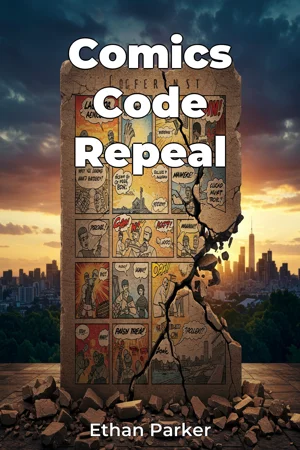
How did the demise of a self-censoring body in comics unleash a wave of creativity and representation that forever altered the landscape of the medium? "Comics Code Repeal" explores the profound impact of the decline and eventual obsolescence of the Comics Code Authority (CCA) on the portrayal of LGBTQ characters and themes within mainstream comic book publications. This book examines the intricate relationship between censorship, artistic expression, and societal inclusivity, arguing that the weakening of the CCA was a pivotal moment that allowed for unprecedented freedom in depicting diverse sexual orientations and gender identities. At its core, this book delves into three interconnected topics: the history and influence of the Comics Code Authority, the evolution of LGBTQ representation in comics, and the broader social and cultural implications of these changes. Understanding the CCA's restrictive guidelines is crucial for grasping the extent to which it stifled creativity and perpetuated harmful stereotypes. Examining the gradual shift toward more nuanced and authentic LGBTQ portrayals reveals the resilience of artists and writers who challenged the status quo. Finally, analyzing the social impact demonstrates how these changes not only reflected but also influenced evolving societal attitudes toward LGBTQ individuals. The book provides a historical context, tracing the CCA's origins in the mid-1950s as a response to public outcry over perceived violence and juvenile delinquency in comics. It details how the Code’s rigid restrictions extended beyond violence, effectively banning depictions of homosexuality and limiting any positive representation of LGBTQ individuals. The analysis will extend to the social upheavals of the late 20th and early 21st centuries, including the gay rights movement and evolving understandings of gender identity, to provide necessary context to how the comics industry has evolved to reflect on these societal shifts. The central argument of "Comics Code Repeal" is that the decline of the CCA was not merely a procedural change within the comics industry but a catalyst for increased diversity, inclusivity, and artistic innovation. This shift allowed creators to explore previously taboo subjects, challenge heteronormative narratives, and create more relatable and authentic characters for LGBTQ readers. This argument is vital to understanding the cultural significance of comics beyond simple entertainment, recognizing their potential as agents of social change. The book unfolds with an introduction to the history and purpose of the Comics Code Authority, followed by an in-depth analysis of its impact on content. Subsequent chapters trace the evolution of LGBTQ representation, examining key milestones and groundbreaking works. These chapters will address the underground comix movement as an early source of LGBTQ visibility and contrast that with the mainstream evolution. The book culminates in a discussion of the lasting legacy of the CCA's decline, exploring the ongoing challenges and opportunities for LGBTQ representation in comics today, and its wider implications. The evidence presented in "Comics Code Repeal" draws from a variety of sources, including archival research of Comics Code Authority documents, critical analysis of comic books across different eras, interviews with comic book creators and industry professionals, and relevant academic literature on censorship, media representation, and LGBTQ studies. The book uniquely combines industry history with social commentary. Interdisciplinary connections will be established with film and television studies (analyzing adaptations of comic books), sociology (examining media’s impact on social attitudes), and gender and sexuality studies (critiquing representation and identity formation). These connections enrich the book's argument by situating the evolution of LGBTQ representation in comics within larger cultural conversations. "Comics Code Repeal" adopts a fact-based and analytical approach, presenting information in a clear and accessible manner. The tone is professional and objective, avoiding sensationalism or biased language. The intended audience for this book includes students and scholars of comics studies, media studies, and LGBTQ studies, as well as comic book fans interested in the history and evolution of the medium. The book's scope is primarily focused on the American comic book industry and its self-censorship body, with a limitation on international comparisons of censorship models and outcomes. The real-world application of the book's findings lies in its ability to inform contemporary discussions about censorship, representation, and the power of media to shape social attitudes. It also contributes to the ongoing debate about the role of gatekeepers in creative industries and the importance of diverse voices in storytelling. "Comics Code Repeal" highlights a crucial turning point in comics history, demonstrating how the dismantling of censorship paved the way for a more inclusive and representative medium.
How did the demise of a self-censoring body in comics unleash a wave of creativity and representation that forever altered the landscape of the medium? "Comics Code Repeal" explores the profound impact of the decline and eventual obsolescence of the Comics Code Authority (CCA) on the portrayal of LGBTQ characters and themes within mainstream comic book publications. This book examines the intricate relationship between censorship, artistic expression, and societal inclusivity, arguing that the weakening of the CCA was a pivotal moment that allowed for unprecedented freedom in depicting diverse sexual orientations and gender identities. At its core, this book delves into three interconnected topics: the history and influence of the Comics Code Authority, the evolution of LGBTQ representation in comics, and the broader social and cultural implications of these changes. Understanding the CCA's restrictive guidelines is crucial for grasping the extent to which it stifled creativity and perpetuated harmful stereotypes. Examining the gradual shift toward more nuanced and authentic LGBTQ portrayals reveals the resilience of artists and writers who challenged the status quo. Finally, analyzing the social impact demonstrates how these changes not only reflected but also influenced evolving societal attitudes toward LGBTQ individuals. The book provides a historical context, tracing the CCA's origins in the mid-1950s as a response to public outcry over perceived violence and juvenile delinquency in comics. It details how the Code’s rigid restrictions extended beyond violence, effectively banning depictions of homosexuality and limiting any positive representation of LGBTQ individuals. The analysis will extend to the social upheavals of the late 20th and early 21st centuries, including the gay rights movement and evolving understandings of gender identity, to provide necessary context to how the comics industry has evolved to reflect on these societal shifts. The central argument of "Comics Code Repeal" is that the decline of the CCA was not merely a procedural change within the comics industry but a catalyst for increased diversity, inclusivity, and artistic innovation. This shift allowed creators to explore previously taboo subjects, challenge heteronormative narratives, and create more relatable and authentic characters for LGBTQ readers. This argument is vital to understanding the cultural significance of comics beyond simple entertainment, recognizing their potential as agents of social change. The book unfolds with an introduction to the history and purpose of the Comics Code Authority, followed by an in-depth analysis of its impact on content. Subsequent chapters trace the evolution of LGBTQ representation, examining key milestones and groundbreaking works. These chapters will address the underground comix movement as an early source of LGBTQ visibility and contrast that with the mainstream evolution. The book culminates in a discussion of the lasting legacy of the CCA's decline, exploring the ongoing challenges and opportunities for LGBTQ representation in comics today, and its wider implications. The evidence presented in "Comics Code Repeal" draws from a variety of sources, including archival research of Comics Code Authority documents, critical analysis of comic books across different eras, interviews with comic book creators and industry professionals, and relevant academic literature on censorship, media representation, and LGBTQ studies. The book uniquely combines industry history with social commentary. Interdisciplinary connections will be established with film and television studies (analyzing adaptations of comic books), sociology (examining media’s impact on social attitudes), and gender and sexuality studies (critiquing representation and identity formation). These connections enrich the book's argument by situating the evolution of LGBTQ representation in comics within larger cultural conversations. "Comics Code Repeal" adopts a fact-based and analytical approach, presenting information in a clear and accessible manner. The tone is professional and objective, avoiding sensationalism or biased language. The intended audience for this book includes students and scholars of comics studies, media studies, and LGBTQ studies, as well as comic book fans interested in the history and evolution of the medium. The book's scope is primarily focused on the American comic book industry and its self-censorship body, with a limitation on international comparisons of censorship models and outcomes. The real-world application of the book's findings lies in its ability to inform contemporary discussions about censorship, representation, and the power of media to shape social attitudes. It also contributes to the ongoing debate about the role of gatekeepers in creative industries and the importance of diverse voices in storytelling. "Comics Code Repeal" highlights a crucial turning point in comics history, demonstrating how the dismantling of censorship paved the way for a more inclusive and representative medium.
"Comics Code Repeal" explores the seismic shift in LGBTQ representation within mainstream comic books following the decline of the Comics Code Authority (CCA). The book argues that the CCA's weakening was a pivotal moment, unleashing unprecedented freedom in depicting diverse sexual orientations and gender identities. Initially established to combat perceived juvenile delinquency, the CCA's rigid restrictions inadvertently stifled creativity and perpetuated harmful stereotypes; for instance, any positive representation of LGBTQ individuals was essentially banned. The book uniquely combines industry history with social commentary, examining how the comic book industry evolved to reflect societal shifts like the gay rights movement. The book traces the evolution of LGBTQ representation in comics, examining key milestones and groundbreaking works, contrasting early LGBTQ visibility in underground comix with its mainstream evolution. It unfolds by first introducing the history and purpose of the CCA, followed by an in-depth analysis of its impact on content. It leverages archival research, comic book analysis, and interviews to support its central argument: the decline of the CCA catalyzed increased diversity, inclusivity, and artistic innovation within the medium. The book concludes with a discussion of the lasting legacy of the CCA's decline, highlighting ongoing challenges and opportunities for LGBTQ representation in comics and its wider implications.
Book Details
ISBN
9788235269164
Publisher
Publifye AS
Your Licenses
You don't own any licenses for this book
Purchase a license below to unlock this book and download the EPUB.
Purchase License
Select a tier to unlock this book
Need bulk licensing?
Contact us for enterprise agreements.