
About This Book
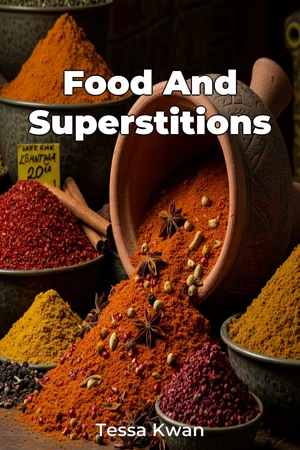
Have you ever wondered why some cultures avoid eating certain foods, or believe that a particular dish can bring good fortune? "Food and Superstitions" delves into the fascinating world of food-related beliefs and taboos, revealing their profound influence on global eating habits. This book explores how deeply ingrained cultural and religious practices, historical events, and geographical limitations have shaped what, when, and how people eat across the globe. We will examine the origins and evolution of these beliefs, their impact on dietary choices, and their enduring relevance in the modern world. This book addresses key topics such as the role of religion in dictating food choices, the historical context behind food-related superstitions, and the impact of geography on culturally specific diets. Understanding these factors is crucial for appreciating the diversity of culinary traditions and the often-unseen forces that drive our food preferences. We aim to provide readers with a comprehensive understanding of how seemingly irrational beliefs have played a pivotal role in shaping the culinary landscape. "Food and Superstitions" argues that food-related beliefs and taboos are not merely arbitrary customs but deeply rooted expressions of cultural identity, historical memory, and ecological adaptation. These beliefs influence everything from daily meal planning to celebratory feasts, reflecting a complex interplay of practical considerations and symbolic meanings. This argument is essential for fostering cross-cultural understanding and challenging ethnocentric perspectives on food. The book is structured to guide readers through a logical exploration of the subject. First, we introduce fundamental concepts such as the definition of food taboos, the psychological and sociological functions of food rituals, and the historical development of major food-related beliefs. Then, we delve into specific case studies from various regions, examining how these beliefs manifest in different cultural contexts. For example, we investigate the religious dietary laws of Judaism and Islam, the symbolic significance of food in Hindu rituals, and the cultural prohibitions on eating certain animals in parts of Africa and Asia. We also analyze how historical events, such as famines and migrations, have shaped food-related beliefs and behaviors. Finally, we explore the practical implications of these beliefs, discussing their impact on food security, public health, and culinary innovation. The evidence presented in "Food and Superstitions" draws from a wide range of sources, including anthropological studies, historical documents, religious texts, culinary literature, and ethnographic research. We incorporate firsthand accounts from diverse cultural groups and analyze the scientific basis (or lack thereof) for certain food-related beliefs. This interdisciplinary approach allows us to provide a nuanced and comprehensive understanding of the subject matter. This book connects to several other fields of study, including anthropology, sociology, religious studies, and nutrition. By examining the cultural, social, and religious dimensions of food, we offer insights that complement scientific perspectives on diet and health. Furthermore, the book's exploration of historical food practices sheds light on the evolution of human societies and the complex relationship between food and culture. "Food and Superstitions" offers a unique perspective by examining food-related beliefs and taboos through an interdisciplinary lens, combining historical analysis, cultural anthropology, and religious studies. This approach moves beyond simplistic explanations and reveals the complex interplay of factors that shape our food choices. Written in an accessible yet informative style, "Food and Superstitions" aims to engage a broad audience, including food enthusiasts, history buffs, cultural explorers, and anyone curious about the origins of our eating habits. The book is valuable to those seeking a deeper understanding of the cultural and historical forces that shape our diets and the world of food. In line with non-fiction genre conventions, "Food and Superstitions" presents factual information in a clear, organized, and evidence-based manner. We cite our sources meticulously and strive to present a balanced and objective account of the subject matter. The scope of this book encompasses a global survey of food-related beliefs and taboos, examining diverse cultures and historical periods. While we strive for broad coverage, we acknowledge that it is impossible to include every specific belief or practice. We prioritize those with significant historical or cultural impact. The information in "Food and Superstitions" can be applied practically by readers to enhance their understanding of cultural diversity, improve their communication skills in cross-cultural settings, and make more informed choices about their own diets. By understanding the origins and significance of food-related beliefs, readers can develop a more nuanced perspective on global food issues and appreciate the richness of culinary traditions around the world. Finally, this book addresses ongoing debates surrounding the ethics of food production, the impact of globalization on traditional diets, and the role of food in shaping cultural identities. By exploring these issues, we hope to contribute to a more informed and critical discussion of the past, present and future of what we eat.
Have you ever wondered why some cultures avoid eating certain foods, or believe that a particular dish can bring good fortune? "Food and Superstitions" delves into the fascinating world of food-related beliefs and taboos, revealing their profound influence on global eating habits. This book explores how deeply ingrained cultural and religious practices, historical events, and geographical limitations have shaped what, when, and how people eat across the globe. We will examine the origins and evolution of these beliefs, their impact on dietary choices, and their enduring relevance in the modern world. This book addresses key topics such as the role of religion in dictating food choices, the historical context behind food-related superstitions, and the impact of geography on culturally specific diets. Understanding these factors is crucial for appreciating the diversity of culinary traditions and the often-unseen forces that drive our food preferences. We aim to provide readers with a comprehensive understanding of how seemingly irrational beliefs have played a pivotal role in shaping the culinary landscape. "Food and Superstitions" argues that food-related beliefs and taboos are not merely arbitrary customs but deeply rooted expressions of cultural identity, historical memory, and ecological adaptation. These beliefs influence everything from daily meal planning to celebratory feasts, reflecting a complex interplay of practical considerations and symbolic meanings. This argument is essential for fostering cross-cultural understanding and challenging ethnocentric perspectives on food. The book is structured to guide readers through a logical exploration of the subject. First, we introduce fundamental concepts such as the definition of food taboos, the psychological and sociological functions of food rituals, and the historical development of major food-related beliefs. Then, we delve into specific case studies from various regions, examining how these beliefs manifest in different cultural contexts. For example, we investigate the religious dietary laws of Judaism and Islam, the symbolic significance of food in Hindu rituals, and the cultural prohibitions on eating certain animals in parts of Africa and Asia. We also analyze how historical events, such as famines and migrations, have shaped food-related beliefs and behaviors. Finally, we explore the practical implications of these beliefs, discussing their impact on food security, public health, and culinary innovation. The evidence presented in "Food and Superstitions" draws from a wide range of sources, including anthropological studies, historical documents, religious texts, culinary literature, and ethnographic research. We incorporate firsthand accounts from diverse cultural groups and analyze the scientific basis (or lack thereof) for certain food-related beliefs. This interdisciplinary approach allows us to provide a nuanced and comprehensive understanding of the subject matter. This book connects to several other fields of study, including anthropology, sociology, religious studies, and nutrition. By examining the cultural, social, and religious dimensions of food, we offer insights that complement scientific perspectives on diet and health. Furthermore, the book's exploration of historical food practices sheds light on the evolution of human societies and the complex relationship between food and culture. "Food and Superstitions" offers a unique perspective by examining food-related beliefs and taboos through an interdisciplinary lens, combining historical analysis, cultural anthropology, and religious studies. This approach moves beyond simplistic explanations and reveals the complex interplay of factors that shape our food choices. Written in an accessible yet informative style, "Food and Superstitions" aims to engage a broad audience, including food enthusiasts, history buffs, cultural explorers, and anyone curious about the origins of our eating habits. The book is valuable to those seeking a deeper understanding of the cultural and historical forces that shape our diets and the world of food. In line with non-fiction genre conventions, "Food and Superstitions" presents factual information in a clear, organized, and evidence-based manner. We cite our sources meticulously and strive to present a balanced and objective account of the subject matter. The scope of this book encompasses a global survey of food-related beliefs and taboos, examining diverse cultures and historical periods. While we strive for broad coverage, we acknowledge that it is impossible to include every specific belief or practice. We prioritize those with significant historical or cultural impact. The information in "Food and Superstitions" can be applied practically by readers to enhance their understanding of cultural diversity, improve their communication skills in cross-cultural settings, and make more informed choices about their own diets. By understanding the origins and significance of food-related beliefs, readers can develop a more nuanced perspective on global food issues and appreciate the richness of culinary traditions around the world. Finally, this book addresses ongoing debates surrounding the ethics of food production, the impact of globalization on traditional diets, and the role of food in shaping cultural identities. By exploring these issues, we hope to contribute to a more informed and critical discussion of the past, present and future of what we eat.
"Food and Superstitions" explores the fascinating and often surprising world of food-related beliefs and taboos across different cultures and throughout history. It reveals how seemingly irrational customs, religious dietary laws, and historical events have profoundly shaped global eating habits and culinary traditions. For instance, many cultures avoid certain foods due to deeply ingrained religious beliefs while others believe particular dishes can bring good fortune. The book emphasizes that these food choices are not arbitrary but deeply rooted expressions of cultural identity and historical memory. The book takes an interdisciplinary approach, combining historical analysis, cultural anthropology, and religious studies to examine the origins and evolution of these beliefs. It progresses from introducing fundamental concepts, like the definition of food taboos and the functions of food rituals, to specific case studies from various regions, such as religious dietary laws in Judaism and Islam, and prohibitions on eating certain animals in parts of Africa and Asia. By understanding these cross-cultural nuances, readers can foster greater cross-cultural understanding and appreciate the diversity of culinary traditions worldwide.
Book Details
ISBN
9788235269157
Publisher
Publifye AS
Your Licenses
You don't own any licenses for this book
Purchase a license below to unlock this book and download the EPUB.
Purchase License
Select a tier to unlock this book
Need bulk licensing?
Contact us for enterprise agreements.