
About This Book
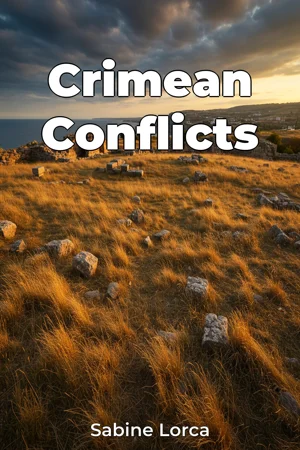
Could any single region be more pivotal to understanding the complexities of geopolitical power than Crimea? "Crimean Conflicts" delves into the heart of this historically contested peninsula, exploring its enduring strategic importance and the power struggles that have defined its fate across centuries. This book examines three key areas: the recurrent military conflicts that have ravaged the region, the intricate web of competing political powers vying for control, and Crimea's outsized role in shaping Russian national identity and geopolitical strategy. Understanding these elements is crucial to grasping not only Crimea's past but also its present-day significance and potential future flashpoints. This study provides a comprehensive historical context, beginning with the Crimean Khanate and its interactions with neighboring empires, progressing through the Russian annexation in the 18th century, the Crimean War in the 19th century, its status within the Soviet Union in the 20th century, and culminating in the 2014 crisis and its ongoing repercussions. It assumes a general understanding of European and Russian history but provides detailed background on specific events and figures relevant to Crimea. The central argument of "Crimean Conflicts" is that Crimea's strategic location has consistently made it a focal point for imperial ambitions and nationalistic fervor, leading to cycles of conflict and instability. This argument is vital for understanding the region's persistent geopolitical vulnerability and its enduring importance in the broader landscape of international relations. The book is structured in three major parts. First, it introduces the geographical, cultural, and historical context of Crimea, setting the stage for understanding its strategic value. Second, it analyzes the key conflicts that have shaped Crimea's destiny, including but not limited to the Crimean War, the Russian Civil War battles fought on the peninsula, World War II, and the events leading up to the 2014 annexation. Each conflict is examined through the lens of military strategy, political maneuvering, and the impact on the local population. Third, it culminates in an analysis of Crimea's role in contemporary geopolitics, focusing on the ongoing tensions, the perspectives of various stakeholders, and the potential for future conflicts. The book also examines the implications of Crimea's status for international law and the balance of power in the Black Sea region. The analysis is grounded in a wide array of primary and secondary sources, including diplomatic archives, military records, personal accounts, and scholarly research in multiple languages. It includes first-hand accounts from soldiers, civilians, and political figures involved in the Crimean conflicts. "Crimean Conflicts" connects to other fields such as political science, international relations, and military strategy. By examining the political motivations behind military actions, the book provides a nuanced understanding of the interplay between power, geography, and identity. This book offers a unique perspective by integrating military history with political analysis and cultural studies, shedding light on how these factors interact to shape the Crimean narrative. The writing style is professional but accessible, aiming to inform and engage a broad audience interested in military history, Russian history, and international relations. The target audience includes scholars, students, policymakers, and anyone seeking a deeper understanding of the Crimean issue and its historical roots. The book will be of particular value to those interested in the geopolitical dynamics of Eastern Europe and the Black Sea region. As a work of military and world history, "Crimean Conflicts" adheres to the genre's conventions of factual accuracy, thorough research, and objective analysis. The scope is intentionally focused on military and political conflicts, while acknowledging but not dwelling on social or economic aspects beyond their direct impact on the struggles. The information presented has real-world applications for policymakers, military strategists, and diplomats seeking to navigate the complexities of the region. By understanding the historical patterns of conflict and the underlying drivers of instability, they can make more informed decisions and develop more effective strategies for promoting peace and security. The book addresses ongoing debates about Crimea's status, the legitimacy of the 2014 referendum, and the role of external actors in the conflict. It presents multiple perspectives, encouraging readers to critically evaluate the evidence and draw their own conclusions.
Could any single region be more pivotal to understanding the complexities of geopolitical power than Crimea? "Crimean Conflicts" delves into the heart of this historically contested peninsula, exploring its enduring strategic importance and the power struggles that have defined its fate across centuries. This book examines three key areas: the recurrent military conflicts that have ravaged the region, the intricate web of competing political powers vying for control, and Crimea's outsized role in shaping Russian national identity and geopolitical strategy. Understanding these elements is crucial to grasping not only Crimea's past but also its present-day significance and potential future flashpoints. This study provides a comprehensive historical context, beginning with the Crimean Khanate and its interactions with neighboring empires, progressing through the Russian annexation in the 18th century, the Crimean War in the 19th century, its status within the Soviet Union in the 20th century, and culminating in the 2014 crisis and its ongoing repercussions. It assumes a general understanding of European and Russian history but provides detailed background on specific events and figures relevant to Crimea. The central argument of "Crimean Conflicts" is that Crimea's strategic location has consistently made it a focal point for imperial ambitions and nationalistic fervor, leading to cycles of conflict and instability. This argument is vital for understanding the region's persistent geopolitical vulnerability and its enduring importance in the broader landscape of international relations. The book is structured in three major parts. First, it introduces the geographical, cultural, and historical context of Crimea, setting the stage for understanding its strategic value. Second, it analyzes the key conflicts that have shaped Crimea's destiny, including but not limited to the Crimean War, the Russian Civil War battles fought on the peninsula, World War II, and the events leading up to the 2014 annexation. Each conflict is examined through the lens of military strategy, political maneuvering, and the impact on the local population. Third, it culminates in an analysis of Crimea's role in contemporary geopolitics, focusing on the ongoing tensions, the perspectives of various stakeholders, and the potential for future conflicts. The book also examines the implications of Crimea's status for international law and the balance of power in the Black Sea region. The analysis is grounded in a wide array of primary and secondary sources, including diplomatic archives, military records, personal accounts, and scholarly research in multiple languages. It includes first-hand accounts from soldiers, civilians, and political figures involved in the Crimean conflicts. "Crimean Conflicts" connects to other fields such as political science, international relations, and military strategy. By examining the political motivations behind military actions, the book provides a nuanced understanding of the interplay between power, geography, and identity. This book offers a unique perspective by integrating military history with political analysis and cultural studies, shedding light on how these factors interact to shape the Crimean narrative. The writing style is professional but accessible, aiming to inform and engage a broad audience interested in military history, Russian history, and international relations. The target audience includes scholars, students, policymakers, and anyone seeking a deeper understanding of the Crimean issue and its historical roots. The book will be of particular value to those interested in the geopolitical dynamics of Eastern Europe and the Black Sea region. As a work of military and world history, "Crimean Conflicts" adheres to the genre's conventions of factual accuracy, thorough research, and objective analysis. The scope is intentionally focused on military and political conflicts, while acknowledging but not dwelling on social or economic aspects beyond their direct impact on the struggles. The information presented has real-world applications for policymakers, military strategists, and diplomats seeking to navigate the complexities of the region. By understanding the historical patterns of conflict and the underlying drivers of instability, they can make more informed decisions and develop more effective strategies for promoting peace and security. The book addresses ongoing debates about Crimea's status, the legitimacy of the 2014 referendum, and the role of external actors in the conflict. It presents multiple perspectives, encouraging readers to critically evaluate the evidence and draw their own conclusions.
"Crimean Conflicts" explores the pivotal role of Crimea in shaping geopolitical power dynamics across centuries. Focusing on military conflicts, political power struggles, and Crimea's significance to Russian identity, the book argues that the region's strategic location has made it a constant target for imperial ambitions. Crimea's history reveals how power, geography, and identity intertwine, creating cycles of conflict. For example, the Crimean War highlights the peninsula's vulnerability as a focal point for competing powers, while the Russian annexation in the 18th century underscores its importance in shaping Russian national identity. The book progresses chronologically, beginning with the Crimean Khanate and culminating in the 2014 crisis. It analyzes key conflicts, such as the Crimean War and World War II battles fought on the peninsula, through the lenses of military strategy and political maneuvering. By integrating military history with political analysis, "Crimean Conflicts" offers a unique perspective on the region’s narrative. This approach provides valuable insights for understanding Crimea's enduring geopolitical vulnerability and its continued importance in international relations.
Book Details
ISBN
9788235269072
Publisher
Publifye AS
Your Licenses
You don't own any licenses for this book
Purchase a license below to unlock this book and download the EPUB.
Purchase License
Select a tier to unlock this book
Need bulk licensing?
Contact us for enterprise agreements.