
About This Book
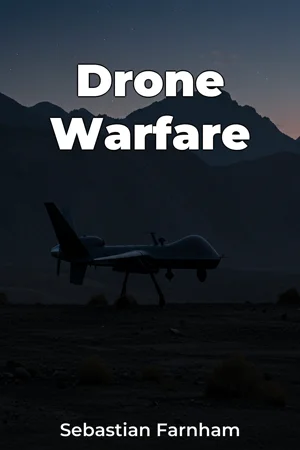
Can a technology designed for remote observation irrevocably alter the landscape of modern warfare and international relations? "Drone Warfare" delves into the multifaceted world of unmanned aerial vehicles (UAVs), examining their evolution from surveillance tools to lethal weapons, their strategic impact on military operations, and the complex ethical considerations they raise. This book explores the transformation of conflict in the 21st century brought about by the proliferation of drone technology, a subject of vital importance to policymakers, military strategists, and anyone concerned with the future of global security. This book addresses three core interconnected topics: the technological advancements that enabled the rise of drone warfare, the tactical and strategic shifts in military doctrine resulting from their deployment, and the profound ethical dilemmas posed by their use, particularly regarding targeted killings and civilian casualties. Understanding these issues is critical for navigating the evolving complexities of modern conflict and assessing the long-term implications of autonomous weapons systems on international law and human rights. "Drone Warfare" offers a comprehensive historical overview, tracing the development of UAVs from their early reconnaissance roles to their current status as sophisticated weapons platforms. It examines the engineering innovations that made drones more effective, reliable, and lethal, while also exploring the geopolitical factors that drove their rapid adoption by both state and non-state actors. The central argument posits that drone warfare represents a fundamental shift in the nature of conflict, blurring the lines between traditional warfare, counterterrorism, and law enforcement, with potentially far-reaching consequences for global stability. The book is structured around a logical progression of ideas. It begins by introducing the fundamental technologies and historical context of drone development. Next, it analyzes the use of drones in various military campaigns and counterterrorism operations, examining their effectiveness in achieving strategic objectives while also assessing the unintended consequences, such as civilian deaths and the potential for escalating conflicts. Finally, "Drone Warfare" culminates in a thorough discussion of the ethical and legal challenges posed by drone warfare, proposing potential frameworks for regulating their use and mitigating the risks of misuse. The analysis presented in this book is supported by a wide range of evidence, including government reports, military documents, academic studies, and eyewitness accounts. It draws on primary source materials, such as declassified intelligence reports and official statements from military leaders, to provide an accurate and nuanced account of drone operations. In addition to military history and political science, "Drone Warfare" connects to fields such as international law, ethics, and technology studies. This interdisciplinary approach enhances the book's argument by providing a holistic perspective on the complex issues surrounding drone warfare. This book offers a unique perspective by critically examining the long-term implications of drone technology on international security and human rights. "Drone Warfare" adopts a clear and accessible writing style, avoiding technical jargon and presenting complex information in a way that is easily understandable to a broad audience. The intended readership includes students of military history, political science, and international relations, as well as policymakers, military professionals, and concerned citizens interested in understanding the evolving nature of modern conflict. The book will appeal to those seeking a comprehensive and objective analysis of the strategic, ethical, and legal challenges posed by drone warfare. As a work of military history and political analysis, "Drone Warfare" adheres to the conventions of rigorous scholarship, providing detailed source citations and presenting multiple perspectives on controversial issues. While the book aims to provide a broad overview of drone warfare, it focuses primarily on the use of drones in military and counterterrorism operations, with less emphasis on their civilian applications. The insights and analysis presented in "Drone Warfare" have practical applications for policymakers seeking to develop effective regulations for the use of drones, military strategists seeking to optimize their deployment in conflict zones, and human rights advocates seeking to protect civilian populations from the risks of drone strikes. "Drone Warfare" addresses some of the most contentious debates in contemporary security policy, including the legality of targeted killings, the definition of combatants and non-combatants in asymmetrical warfare, and the accountability of drone operators for civilian casualties. By engaging with these debates, the book aims to contribute to a more informed and nuanced understanding of the challenges and opportunities presented by drone technology.
Can a technology designed for remote observation irrevocably alter the landscape of modern warfare and international relations? "Drone Warfare" delves into the multifaceted world of unmanned aerial vehicles (UAVs), examining their evolution from surveillance tools to lethal weapons, their strategic impact on military operations, and the complex ethical considerations they raise. This book explores the transformation of conflict in the 21st century brought about by the proliferation of drone technology, a subject of vital importance to policymakers, military strategists, and anyone concerned with the future of global security. This book addresses three core interconnected topics: the technological advancements that enabled the rise of drone warfare, the tactical and strategic shifts in military doctrine resulting from their deployment, and the profound ethical dilemmas posed by their use, particularly regarding targeted killings and civilian casualties. Understanding these issues is critical for navigating the evolving complexities of modern conflict and assessing the long-term implications of autonomous weapons systems on international law and human rights. "Drone Warfare" offers a comprehensive historical overview, tracing the development of UAVs from their early reconnaissance roles to their current status as sophisticated weapons platforms. It examines the engineering innovations that made drones more effective, reliable, and lethal, while also exploring the geopolitical factors that drove their rapid adoption by both state and non-state actors. The central argument posits that drone warfare represents a fundamental shift in the nature of conflict, blurring the lines between traditional warfare, counterterrorism, and law enforcement, with potentially far-reaching consequences for global stability. The book is structured around a logical progression of ideas. It begins by introducing the fundamental technologies and historical context of drone development. Next, it analyzes the use of drones in various military campaigns and counterterrorism operations, examining their effectiveness in achieving strategic objectives while also assessing the unintended consequences, such as civilian deaths and the potential for escalating conflicts. Finally, "Drone Warfare" culminates in a thorough discussion of the ethical and legal challenges posed by drone warfare, proposing potential frameworks for regulating their use and mitigating the risks of misuse. The analysis presented in this book is supported by a wide range of evidence, including government reports, military documents, academic studies, and eyewitness accounts. It draws on primary source materials, such as declassified intelligence reports and official statements from military leaders, to provide an accurate and nuanced account of drone operations. In addition to military history and political science, "Drone Warfare" connects to fields such as international law, ethics, and technology studies. This interdisciplinary approach enhances the book's argument by providing a holistic perspective on the complex issues surrounding drone warfare. This book offers a unique perspective by critically examining the long-term implications of drone technology on international security and human rights. "Drone Warfare" adopts a clear and accessible writing style, avoiding technical jargon and presenting complex information in a way that is easily understandable to a broad audience. The intended readership includes students of military history, political science, and international relations, as well as policymakers, military professionals, and concerned citizens interested in understanding the evolving nature of modern conflict. The book will appeal to those seeking a comprehensive and objective analysis of the strategic, ethical, and legal challenges posed by drone warfare. As a work of military history and political analysis, "Drone Warfare" adheres to the conventions of rigorous scholarship, providing detailed source citations and presenting multiple perspectives on controversial issues. While the book aims to provide a broad overview of drone warfare, it focuses primarily on the use of drones in military and counterterrorism operations, with less emphasis on their civilian applications. The insights and analysis presented in "Drone Warfare" have practical applications for policymakers seeking to develop effective regulations for the use of drones, military strategists seeking to optimize their deployment in conflict zones, and human rights advocates seeking to protect civilian populations from the risks of drone strikes. "Drone Warfare" addresses some of the most contentious debates in contemporary security policy, including the legality of targeted killings, the definition of combatants and non-combatants in asymmetrical warfare, and the accountability of drone operators for civilian casualties. By engaging with these debates, the book aims to contribute to a more informed and nuanced understanding of the challenges and opportunities presented by drone technology.
"Drone Warfare" explores the profound impact of unmanned aerial vehicles (UAVs) on modern warfare and international relations. It examines how drones have evolved from simple surveillance tools to sophisticated weapons platforms, significantly altering military operations and raising complex ethical questions. The book delves into the technological advancements that fueled the rise of drone warfare, the strategic shifts in military doctrine resulting from their use, and the ethical dilemmas surrounding targeted killings and civilian casualties. One intriguing insight is how drones blur the lines between traditional warfare, counterterrorism, and law enforcement. The book offers a historical overview of UAV development and analyzes their use in various military campaigns, assessing both their effectiveness and unintended consequences. It progresses logically, starting with the technology and historical context, then examining drone use in military operations, and concluding with a discussion of ethical and legal challenges. This approach provides a comprehensive understanding of the strategic, ethical, and legal challenges posed by drone warfare, making it valuable for policymakers, military professionals, and anyone interested in global security and military history.
Book Details
ISBN
9788235268853
Publisher
Publifye AS
Your Licenses
You don't own any licenses for this book
Purchase a license below to unlock this book and download the EPUB.
Purchase License
Select a tier to unlock this book
Need bulk licensing?
Contact us for enterprise agreements.