
About This Book
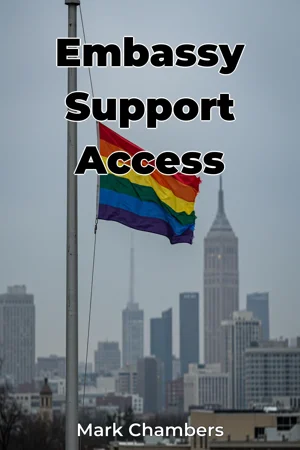
What happens when LGBTQ individuals face discrimination, persecution, or even violence in foreign lands? "Embassy Support Access" provides a crucial examination of the role embassies play in safeguarding the rights and well-being of their LGBTQ citizens abroad, focusing on emergency assistance, documentation support, and legal guidance within varying international contexts. This book is essential for understanding the intersection of international relations, human rights, and LGBTQ advocacy. The book’s central argument revolves around the premise that while embassies have a fundamental responsibility to assist all citizens, the specific needs of LGBTQ individuals often require specialized understanding and resources. The book evaluates to what extent embassies are equipped and willing to provide this tailored support, particularly in countries where LGBTQ individuals face legal or social challenges. This argument is significant because it highlights a gap between theoretical consular obligations and the lived experiences of a vulnerable population, advocating for systemic improvements in embassy practices. "Embassy Support Access" begins by establishing the legal and ethical framework governing consular services, drawing from international law, diplomatic protocols, and human rights conventions. It examines the historical context of LGBTQ rights within international relations, tracing the evolution of protections and highlighting landmark cases that have shaped current policies. Core concepts such as diplomatic immunity, consular discretion, and the principle of non-discrimination are thoroughly explored, providing readers with a solid foundation for understanding the complexities involved. The book then develops its argument through three major thematic sections. The first focuses on emergency assistance, detailing scenarios where LGBTQ individuals may require immediate help, such as instances of hate crimes, arbitrary arrest, or denial of medical care based on sexual orientation or gender identity. It assesses the effectiveness of embassy responses in these situations, examining case studies and identifying best practices. The second section delves into documentation challenges, addressing issues such as passport discrepancies for transgender individuals, marriage recognition for same-sex couples, and the complexities of seeking asylum based on persecution due to LGBTQ status. This section examines the bureaucratic hurdles LGBTQ individuals may encounter and evaluates the role embassies play in navigating these processes. The third section explores the provision of local legal referrals, analyzing how embassies can connect LGBTQ citizens with lawyers and advocacy groups familiar with local laws and customs. It examines the ethical considerations involved in providing legal assistance, particularly in countries where LGBTQ activities are criminalized. The culmination of the argument ties together these three thematic areas, proposing a series of policy recommendations for improving embassy support for LGBTQ individuals. These recommendations address issues such as staff training, resource allocation, and collaboration with LGBTQ organizations. To support its arguments, the book draws upon a range of evidence, including government reports, policy documents, academic research, and interviews with LGBTQ individuals who have sought assistance from embassies. It incorporates quantitative data on consular assistance requests and qualitative analyses of personal narratives, providing a comprehensive and nuanced picture of the challenges and opportunities involved. The book adopts an academic tone, maintaining objectivity while addressing sensitive and controversial issues. It is intended for students and scholars of political science, international relations, and LGBTQ studies. Professionals working in government, diplomacy, or human rights will also find the information valuable. "Embassy Support Access" intersects with several other fields of study, including international law, human rights, and sociology. By integrating perspectives from these disciplines, the book provides a holistic understanding of the complex factors that influence embassy support for LGBTQ individuals. The book’s scope is limited to an examination of embassy support; it does not delve into the broader issues of LGBTQ rights advocacy or international development. This targeted approach allows for a focused and in-depth analysis of a specific aspect of global LGBTQ equality. The information presented can be applied practically by policymakers seeking to improve consular services, diplomats seeking to better serve their LGBTQ constituents, and LGBTQ individuals seeking to understand their rights and options when abroad. Despite the book’s comprehensive approach, debates persist regarding the extent to which embassies should intervene in the domestic affairs of other countries to protect LGBTQ rights, a controversy the book acknowledges and addresses from multiple perspectives.
What happens when LGBTQ individuals face discrimination, persecution, or even violence in foreign lands? "Embassy Support Access" provides a crucial examination of the role embassies play in safeguarding the rights and well-being of their LGBTQ citizens abroad, focusing on emergency assistance, documentation support, and legal guidance within varying international contexts. This book is essential for understanding the intersection of international relations, human rights, and LGBTQ advocacy. The book’s central argument revolves around the premise that while embassies have a fundamental responsibility to assist all citizens, the specific needs of LGBTQ individuals often require specialized understanding and resources. The book evaluates to what extent embassies are equipped and willing to provide this tailored support, particularly in countries where LGBTQ individuals face legal or social challenges. This argument is significant because it highlights a gap between theoretical consular obligations and the lived experiences of a vulnerable population, advocating for systemic improvements in embassy practices. "Embassy Support Access" begins by establishing the legal and ethical framework governing consular services, drawing from international law, diplomatic protocols, and human rights conventions. It examines the historical context of LGBTQ rights within international relations, tracing the evolution of protections and highlighting landmark cases that have shaped current policies. Core concepts such as diplomatic immunity, consular discretion, and the principle of non-discrimination are thoroughly explored, providing readers with a solid foundation for understanding the complexities involved. The book then develops its argument through three major thematic sections. The first focuses on emergency assistance, detailing scenarios where LGBTQ individuals may require immediate help, such as instances of hate crimes, arbitrary arrest, or denial of medical care based on sexual orientation or gender identity. It assesses the effectiveness of embassy responses in these situations, examining case studies and identifying best practices. The second section delves into documentation challenges, addressing issues such as passport discrepancies for transgender individuals, marriage recognition for same-sex couples, and the complexities of seeking asylum based on persecution due to LGBTQ status. This section examines the bureaucratic hurdles LGBTQ individuals may encounter and evaluates the role embassies play in navigating these processes. The third section explores the provision of local legal referrals, analyzing how embassies can connect LGBTQ citizens with lawyers and advocacy groups familiar with local laws and customs. It examines the ethical considerations involved in providing legal assistance, particularly in countries where LGBTQ activities are criminalized. The culmination of the argument ties together these three thematic areas, proposing a series of policy recommendations for improving embassy support for LGBTQ individuals. These recommendations address issues such as staff training, resource allocation, and collaboration with LGBTQ organizations. To support its arguments, the book draws upon a range of evidence, including government reports, policy documents, academic research, and interviews with LGBTQ individuals who have sought assistance from embassies. It incorporates quantitative data on consular assistance requests and qualitative analyses of personal narratives, providing a comprehensive and nuanced picture of the challenges and opportunities involved. The book adopts an academic tone, maintaining objectivity while addressing sensitive and controversial issues. It is intended for students and scholars of political science, international relations, and LGBTQ studies. Professionals working in government, diplomacy, or human rights will also find the information valuable. "Embassy Support Access" intersects with several other fields of study, including international law, human rights, and sociology. By integrating perspectives from these disciplines, the book provides a holistic understanding of the complex factors that influence embassy support for LGBTQ individuals. The book’s scope is limited to an examination of embassy support; it does not delve into the broader issues of LGBTQ rights advocacy or international development. This targeted approach allows for a focused and in-depth analysis of a specific aspect of global LGBTQ equality. The information presented can be applied practically by policymakers seeking to improve consular services, diplomats seeking to better serve their LGBTQ constituents, and LGBTQ individuals seeking to understand their rights and options when abroad. Despite the book’s comprehensive approach, debates persist regarding the extent to which embassies should intervene in the domestic affairs of other countries to protect LGBTQ rights, a controversy the book acknowledges and addresses from multiple perspectives.
"Embassy Support Access" explores the crucial role embassies play in supporting LGBTQ citizens abroad, especially when facing discrimination or persecution. It examines how international relations, human rights, and LGBTQ advocacy intersect within consular services. A key premise is that while embassies are obligated to assist all citizens, LGBTQ individuals often require specialized support due to unique legal and social challenges in certain countries. For example, a transgender individual might face passport discrepancies, or a same-sex couple could encounter issues with marriage recognition, highlighting the need for tailored consular discretion. The book begins by establishing the legal and ethical framework governing consular services, drawing from international law and human rights conventions. It then develops its argument through three thematic sections: emergency assistance, documentation challenges, and legal referrals. These sections analyze real-world scenarios and assess the effectiveness of embassy responses, using case studies and quantitative data. One intriguing fact explored is the varying levels of emergency assistance provided to LGBTQ individuals facing hate crimes or arbitrary arrest. Ultimately, "Embassy Support Access" proposes policy recommendations to improve embassy support for LGBTQ individuals, addressing issues such as staff training and resource allocation. It uses a comprehensive approach, drawing upon government reports, academic research, and personal interviews, and is intended for students, scholars, and professionals in political science, international relations, and human rights.
Book Details
ISBN
9788235268785
Publisher
Publifye AS
Your Licenses
You don't own any licenses for this book
Purchase a license below to unlock this book and download the EPUB.
Purchase License
Select a tier to unlock this book
Need bulk licensing?
Contact us for enterprise agreements.