
About This Book
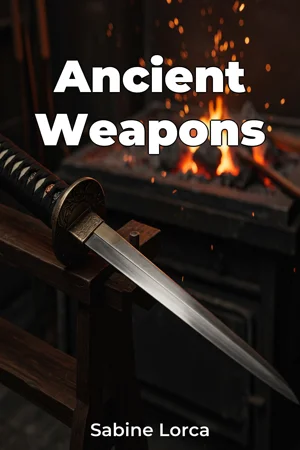
What if the fantastical weapons of manga were rooted in a brutal reality? "Ancient Weapons" delves into the fascinating world of traditional Japanese weaponry, examining their historical context, practical applications, and their enduring influence on artistic expression, particularly in manga battles. This book is a comprehensive exploration of these instruments of war and peace, offering a nuanced understanding of their significance within Japanese culture. This book addresses three primary areas: the history of Japanese weapons, their military applications, and their artistic representation in manga. The historical context is crucial, as it reveals the evolution of these weapons alongside the changing social and political landscape of Japan. Understanding their real-world uses demystifies the romanticized portrayals often found in popular culture. Finally, examining their depiction in manga provides insight into how these weapons continue to shape contemporary imagination and storytelling. Japanese weaponry evolved from early agricultural tools and imported technologies from mainland Asia. Over centuries, unique designs were refined, reflecting the specific needs of samurai warfare and self-defense. This book requires no prior knowledge of Japanese history, as it provides essential background information on the feudal system, the rise of the samurai class, and the key battles that shaped the development and usage of the various weapons. The central argument of "Ancient Weapons" is that a thorough understanding of the historical and practical dimensions of Japanese weaponry enriches the appreciation of their representations in art and popular culture. By disentangling fact from fiction, we can better understand the profound cultural impact of these weapons and the values they embody. The book is structured into three main sections. First, it introduces the foundational concepts of Japanese martial traditions and the diverse array of weapons developed, like the katana, naginata, yari, and specialized tools such as shuriken and kusari-gama. The second section explores the practical application of these weapons in military campaigns, duels, and self-defense techniques. Specific battles and historical figures are analyzed to illustrate the effectiveness and limitations of each weapon. The third section then dissects the portrayal of these weapons in manga, analyzing how artists adapt, exaggerate, or reimagine them within the context of narrative storytelling. The book culminates by examining the lasting legacy of these weapons and their impact on modern martial arts and popular imagination. The analysis presented in "Ancient Weapons" draws upon a variety of sources including historical texts, military treatises, archaeological findings, and artistic representations. Primary source materials are cross-referenced with modern scholarship to offer a balanced and informed perspective. "Ancient Weapons" intersects with several other fields of study. Military history provides the strategic and tactical context for understanding weapon development and deployment. Art history and visual culture offer insights into how weapons have been represented and interpreted over time. Cultural studies shed light on the symbolic meanings and cultural values associated with these weapons. This book offers a unique perspective by combining military and art history to examine Japanese weapons. It moves beyond simple descriptions of the weapons themselves to explore their deeper cultural significance and artistic interpretations. The writing style is accessible yet scholarly, aiming to engage a broad audience while maintaining academic rigor. The tone is informative and analytical, presenting facts and arguments in a clear and objective manner. The target audience includes students of history, martial arts enthusiasts, manga and anime fans, and anyone interested in Japanese culture. The book will provide a valuable resource for understanding the historical roots of many popular cultural references. As a work of military history, "Ancient Weapons" strives for accuracy and objectivity in its portrayal of events and technologies. As a work of art history, it explores the subjective interpretations and symbolic meanings associated with weapons. The scope of the book is limited to traditional Japanese weapons used from the feudal period to the early modern era. It does not delve into contemporary firearms or weapons technologies. The focus remains on the craftsmanship, usage, and cultural significance of traditional Japanese weaponry. The information in this book can be applied to a variety of practical contexts, from understanding the historical accuracy of manga depictions to gaining a deeper appreciation for Japanese martial arts. It can also inform discussions about the ethics of warfare and the cultural impact of weapons. While "Ancient Weapons" strives for a balanced perspective, there are ongoing debates surrounding the interpretation of historical events and the role of specific weapons in shaping Japanese history. The book acknowledges these debates and presents different viewpoints where appropriate.
What if the fantastical weapons of manga were rooted in a brutal reality? "Ancient Weapons" delves into the fascinating world of traditional Japanese weaponry, examining their historical context, practical applications, and their enduring influence on artistic expression, particularly in manga battles. This book is a comprehensive exploration of these instruments of war and peace, offering a nuanced understanding of their significance within Japanese culture. This book addresses three primary areas: the history of Japanese weapons, their military applications, and their artistic representation in manga. The historical context is crucial, as it reveals the evolution of these weapons alongside the changing social and political landscape of Japan. Understanding their real-world uses demystifies the romanticized portrayals often found in popular culture. Finally, examining their depiction in manga provides insight into how these weapons continue to shape contemporary imagination and storytelling. Japanese weaponry evolved from early agricultural tools and imported technologies from mainland Asia. Over centuries, unique designs were refined, reflecting the specific needs of samurai warfare and self-defense. This book requires no prior knowledge of Japanese history, as it provides essential background information on the feudal system, the rise of the samurai class, and the key battles that shaped the development and usage of the various weapons. The central argument of "Ancient Weapons" is that a thorough understanding of the historical and practical dimensions of Japanese weaponry enriches the appreciation of their representations in art and popular culture. By disentangling fact from fiction, we can better understand the profound cultural impact of these weapons and the values they embody. The book is structured into three main sections. First, it introduces the foundational concepts of Japanese martial traditions and the diverse array of weapons developed, like the katana, naginata, yari, and specialized tools such as shuriken and kusari-gama. The second section explores the practical application of these weapons in military campaigns, duels, and self-defense techniques. Specific battles and historical figures are analyzed to illustrate the effectiveness and limitations of each weapon. The third section then dissects the portrayal of these weapons in manga, analyzing how artists adapt, exaggerate, or reimagine them within the context of narrative storytelling. The book culminates by examining the lasting legacy of these weapons and their impact on modern martial arts and popular imagination. The analysis presented in "Ancient Weapons" draws upon a variety of sources including historical texts, military treatises, archaeological findings, and artistic representations. Primary source materials are cross-referenced with modern scholarship to offer a balanced and informed perspective. "Ancient Weapons" intersects with several other fields of study. Military history provides the strategic and tactical context for understanding weapon development and deployment. Art history and visual culture offer insights into how weapons have been represented and interpreted over time. Cultural studies shed light on the symbolic meanings and cultural values associated with these weapons. This book offers a unique perspective by combining military and art history to examine Japanese weapons. It moves beyond simple descriptions of the weapons themselves to explore their deeper cultural significance and artistic interpretations. The writing style is accessible yet scholarly, aiming to engage a broad audience while maintaining academic rigor. The tone is informative and analytical, presenting facts and arguments in a clear and objective manner. The target audience includes students of history, martial arts enthusiasts, manga and anime fans, and anyone interested in Japanese culture. The book will provide a valuable resource for understanding the historical roots of many popular cultural references. As a work of military history, "Ancient Weapons" strives for accuracy and objectivity in its portrayal of events and technologies. As a work of art history, it explores the subjective interpretations and symbolic meanings associated with weapons. The scope of the book is limited to traditional Japanese weapons used from the feudal period to the early modern era. It does not delve into contemporary firearms or weapons technologies. The focus remains on the craftsmanship, usage, and cultural significance of traditional Japanese weaponry. The information in this book can be applied to a variety of practical contexts, from understanding the historical accuracy of manga depictions to gaining a deeper appreciation for Japanese martial arts. It can also inform discussions about the ethics of warfare and the cultural impact of weapons. While "Ancient Weapons" strives for a balanced perspective, there are ongoing debates surrounding the interpretation of historical events and the role of specific weapons in shaping Japanese history. The book acknowledges these debates and presents different viewpoints where appropriate.
"Ancient Weapons" explores the history, military application, and artistic representation of traditional Japanese weaponry, revealing how tools like the katana, naginata, and shuriken evolved from agricultural implements and Chinese imports into symbols of samurai culture. The book addresses the evolution of these weapons alongside Japan's social and political changes, demystifying their romanticized manga portrayals. Readers will gain insight into how these weapons have shaped contemporary imagination. The book is structured into three sections, beginning with an introduction to Japanese martial traditions and weapons. It then explores the practical application of these weapons in military campaigns and duels, analyzing historical battles and figures. The final section dissects the portrayal of these weapons in manga, examining how artists adapt and reimagine them. This approach offers a unique perspective by combining military and art history to examine Japanese weapons, moving beyond simple descriptions to explore their deeper cultural significance.
Book Details
ISBN
9788235268730
Publisher
Publifye AS
Your Licenses
You don't own any licenses for this book
Purchase a license below to unlock this book and download the EPUB.
Purchase License
Select a tier to unlock this book
Need bulk licensing?
Contact us for enterprise agreements.