
About This Book
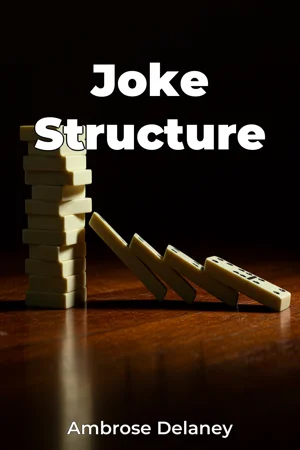
Why do some jokes elicit uproarious laughter while others fall flat, met with awkward silence? This book, *Joke Structure*, delves into the intricate architecture of humor, dissecting the components that contribute to a joke's success or failure. We explore not only the conventional elements of comedic setups and punchlines but also the subtler nuances of timing, delivery, and audience expectation. At the core of understanding humor lies an appreciation for incongruity resolution—the process by which a joke establishes a predictable pattern only to subvert it with an unexpected twist. This book examines how jokes manipulate language, cultural references, and social norms to create moments of surprise and amusement. A second key concept is the role of tension and release. Effective jokes build comedic tension through carefully crafted setups, ultimately resolving this tension in the punchline. A third critical element is audience perception. Humor is subjective; what one person finds funny, another may not. Understanding the factors that influence comedic taste—including cultural background, personal experiences, and individual psychology—is essential. This book argues that while humor may seem spontaneous and unpredictable, it is, in fact, governed by underlying principles and patterns. By analyzing a wide range of jokes from various sources, we demonstrate that successful humor relies on a delicate balance of structure, surprise, and relatability, allowing comedians and writers to better understand the art of crafting jokes that resonate. The book begins by establishing a theoretical framework for understanding humor, drawing upon linguistic, psychological, and sociological perspectives. It explores common comedic devices, such as puns, irony, satire, and parody, examining how each contributes to the overall comedic effect. Then, we delve into the anatomy of a joke, deconstructing the setup, the punchline, and the various techniques used to connect them effectively. Subsequent chapters explore the influence of cultural context on humor, analyzing how jokes reflect and reinforce social norms, stereotypes, and ideologies. We also consider the ethical dimensions of humor, addressing issues such as offensive jokes, political satire, and the responsibility of comedians to their audiences. Finally, the book turns to the practical application of these principles, offering guidance on how to improve one's own comedic writing and performance skills. Evidence supporting the book's arguments comes from a variety of sources, including linguistic analysis of jokes, psychological studies on humor perception, sociological research on laughter and social bonding, and interviews with professional comedians and comedy writers. We use examples from stand-up routines, sitcoms, films, and literature to illustrate key concepts and demonstrate the diversity of comedic expression. *Joke Structure* connects to several other fields, including linguistics (analyzing language play and ambiguity), psychology (exploring cognitive processes and emotional responses to humor), and sociology (understanding humor as a form of social communication and critique). These interdisciplinary connections enrich our understanding of humor and its profound impact on human life. A unique aspect of this book is its integrated approach, combining theoretical analysis with practical guidance. It is more than just an academic exploration of humor; it is a comprehensive guide for anyone who wants to understand, appreciate, and create better jokes. The book adopts a conversational yet informative tone, making complex concepts accessible to a broad audience. The writing style is clear, concise, and engaging, avoiding jargon and technical terms whenever possible. The target audience includes aspiring comedians, comedy writers, public speakers, educators, and anyone who is interested in understanding the science and art of humor. It will be valuable to those studying Performing Arts or Language Arts. As a non-fiction book, *Joke Structure* offers a systematic and evidence-based analysis of humor, adhering to the conventions of scholarly research and objective reporting. While the book covers a wide range of comedic styles and techniques, it does not attempt to be an exhaustive encyclopedia of all jokes. Instead, it focuses on providing a solid foundation for understanding the underlying principles of humor and how they can be applied in practice. The principles of joke structure can be applied in various real-world contexts, from improving communication skills and building rapport to crafting more effective advertising campaigns and presentations. In addressing the ethics of humor, the book acknowledges that there are ongoing debates about the boundaries of acceptable comedy. It encourages readers to think critically about the impact of their jokes and to be mindful of the potential for humor to cause harm.
Why do some jokes elicit uproarious laughter while others fall flat, met with awkward silence? This book, *Joke Structure*, delves into the intricate architecture of humor, dissecting the components that contribute to a joke's success or failure. We explore not only the conventional elements of comedic setups and punchlines but also the subtler nuances of timing, delivery, and audience expectation. At the core of understanding humor lies an appreciation for incongruity resolution—the process by which a joke establishes a predictable pattern only to subvert it with an unexpected twist. This book examines how jokes manipulate language, cultural references, and social norms to create moments of surprise and amusement. A second key concept is the role of tension and release. Effective jokes build comedic tension through carefully crafted setups, ultimately resolving this tension in the punchline. A third critical element is audience perception. Humor is subjective; what one person finds funny, another may not. Understanding the factors that influence comedic taste—including cultural background, personal experiences, and individual psychology—is essential. This book argues that while humor may seem spontaneous and unpredictable, it is, in fact, governed by underlying principles and patterns. By analyzing a wide range of jokes from various sources, we demonstrate that successful humor relies on a delicate balance of structure, surprise, and relatability, allowing comedians and writers to better understand the art of crafting jokes that resonate. The book begins by establishing a theoretical framework for understanding humor, drawing upon linguistic, psychological, and sociological perspectives. It explores common comedic devices, such as puns, irony, satire, and parody, examining how each contributes to the overall comedic effect. Then, we delve into the anatomy of a joke, deconstructing the setup, the punchline, and the various techniques used to connect them effectively. Subsequent chapters explore the influence of cultural context on humor, analyzing how jokes reflect and reinforce social norms, stereotypes, and ideologies. We also consider the ethical dimensions of humor, addressing issues such as offensive jokes, political satire, and the responsibility of comedians to their audiences. Finally, the book turns to the practical application of these principles, offering guidance on how to improve one's own comedic writing and performance skills. Evidence supporting the book's arguments comes from a variety of sources, including linguistic analysis of jokes, psychological studies on humor perception, sociological research on laughter and social bonding, and interviews with professional comedians and comedy writers. We use examples from stand-up routines, sitcoms, films, and literature to illustrate key concepts and demonstrate the diversity of comedic expression. *Joke Structure* connects to several other fields, including linguistics (analyzing language play and ambiguity), psychology (exploring cognitive processes and emotional responses to humor), and sociology (understanding humor as a form of social communication and critique). These interdisciplinary connections enrich our understanding of humor and its profound impact on human life. A unique aspect of this book is its integrated approach, combining theoretical analysis with practical guidance. It is more than just an academic exploration of humor; it is a comprehensive guide for anyone who wants to understand, appreciate, and create better jokes. The book adopts a conversational yet informative tone, making complex concepts accessible to a broad audience. The writing style is clear, concise, and engaging, avoiding jargon and technical terms whenever possible. The target audience includes aspiring comedians, comedy writers, public speakers, educators, and anyone who is interested in understanding the science and art of humor. It will be valuable to those studying Performing Arts or Language Arts. As a non-fiction book, *Joke Structure* offers a systematic and evidence-based analysis of humor, adhering to the conventions of scholarly research and objective reporting. While the book covers a wide range of comedic styles and techniques, it does not attempt to be an exhaustive encyclopedia of all jokes. Instead, it focuses on providing a solid foundation for understanding the underlying principles of humor and how they can be applied in practice. The principles of joke structure can be applied in various real-world contexts, from improving communication skills and building rapport to crafting more effective advertising campaigns and presentations. In addressing the ethics of humor, the book acknowledges that there are ongoing debates about the boundaries of acceptable comedy. It encourages readers to think critically about the impact of their jokes and to be mindful of the potential for humor to cause harm.
"Joke Structure" explores the science and art behind what makes jokes funny, dissecting the elements that lead to either laughter or silence. It examines how jokes frequently rely on "incongruity resolution," where expectations are set up only to be surprisingly subverted. The book also highlights the importance of tension and release in comedic timing, demonstrating how a well-crafted setup builds anticipation for the punchline. Ultimately, it stresses the subjective nature of humor, influenced by cultural background, psychology, and personal experience. The book progresses from establishing a theoretical framework, drawing on linguistics, psychology, and sociology, to deconstructing the anatomy of a joke. It explores comedic devices like puns, irony, and satire, and delves into cultural context, ethical considerations, and practical applications. A unique aspect of this guide is its integrated approach, combining theoretical analysis with practical guidance, making it valuable for comedians, writers, speakers, educators, and anyone interested in understanding and creating better jokes.
Book Details
ISBN
9788235268501
Publisher
Publifye AS
Your Licenses
You don't own any licenses for this book
Purchase a license below to unlock this book and download the EPUB.
Purchase License
Select a tier to unlock this book
Need bulk licensing?
Contact us for enterprise agreements.