
About This Book
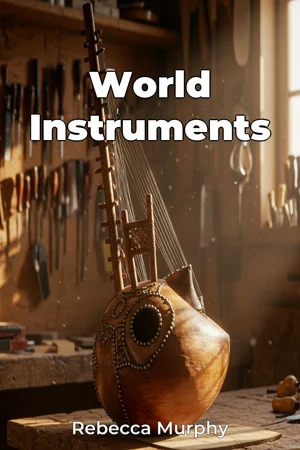
Have you ever wondered how a single object can tell the story of an entire culture? "World Instruments" invites you on a global journey to explore the diverse and fascinating world of musical instruments, revealing their profound connections to history, culture, and human expression. This book examines not just the instruments themselves but also the unique sounds they create and the stories they tell about the societies that birthed them. We embark on this exploration by focusing on three key areas. First, the evolution of instruments: tracing their development from basic tools to complex artistic creations. Second, the cultural context of music: understanding how instruments reflect and shape social structures, religious practices, and daily life. Third, the science of sound: demystifying the acoustic principles that underpin the unique sounds produced by each instrument. These topics are carefully chosen to provide a holistic understanding of musical instruments as both cultural artifacts and scientific marvels. Understanding the evolution of musical instruments requires a grasp of world history, particularly how trade, migration, and conquest have influenced the exchange of musical ideas. We will delve into the historical context surrounding the creation and use of various instruments, illuminating their roles in ceremonies, celebrations, and even warfare. No prior musical knowledge is required; the book is designed to be accessible to all readers, regardless of their background. The central argument of "World Instruments" is that musical instruments are not merely tools for creating music but are powerful repositories of cultural memory. They embody the values, beliefs, and histories of the people who create and play them. By studying these instruments, we gain a deeper understanding of human civilization. This argument is important because it challenges the often-Eurocentric view of music history, highlighting the contributions of diverse cultures to the global musical landscape. The book is structured to guide the reader through a progressive exploration of world instruments. We begin by introducing the fundamental concepts of instrument classification and acoustics. Then, we move into the heart of the book, dedicating chapters to major geographical regions such as Africa, Asia, Europe, and the Americas. Each chapter examines several representative instruments, detailing their origins, construction, playing techniques, and cultural significance. Finally, the book culminates in a discussion of the interconnectedness of musical traditions and the role of instruments in fostering cross-cultural understanding. The evidence presented in "World Instruments" is drawn from a variety of sources, including archaeological findings, historical texts, ethnomusicological studies, and museum collections. We will also incorporate firsthand accounts from musicians and instrument makers around the world. The book uses a comparative approach, analyzing instruments from different cultures to identify similarities and differences in their design and function. "World Instruments" naturally connects to several other fields of study. Anthropology is crucial for understanding the social and cultural roles of music and instruments. Physics provides the foundation for understanding the science of sound and acoustics. History offers insights into the evolution of musical traditions and their connections to broader historical events. These connections enhance the book's argument by providing a multifaceted perspective on the subject. This book distinguishes itself through its global scope and its emphasis on the cultural significance of musical instruments. Rather than focusing solely on Western classical music, "World Instruments" offers a truly worldwide perspective, showcasing the diversity and richness of musical traditions from around the globe and emphasizing the human element—the stories, the innovations, and cultural meaning behind the instruments. The book is written in a clear, engaging style, making complex concepts accessible to a broad audience. "World Instruments" is intended for anyone with an interest in music, history, or culture. It would be valuable to students, educators, and anyone who wants to expand their knowledge of the world's diverse musical traditions. It is aligned with the conventions of non-fiction, world history and music books by providing well-researched information, clear explanations, and detailed illustrations. The book's scope is intentionally broad, covering a wide range of instruments from different regions and time periods. However, it is not intended to be an exhaustive encyclopedia of every musical instrument ever created. Instead, it aims to provide a representative overview of the world's musical traditions, highlighting the key themes and concepts that connect them. The information presented in "World Instruments" can be applied in several practical ways. Musicians can use it to broaden their understanding of different musical styles and techniques. Educators can use it to enrich their curriculum and engage students in learning about world cultures. Anyone can use it to deepen their appreciation for the power of music to connect people across cultures and time. While "World Instruments" strives to present a balanced and objective view of musical traditions, it is important to acknowledge that there are ongoing debates about the interpretation and preservation of cultural heritage. The book addresses some of these controversies, encouraging readers to think critically about the role of music in shaping our world.
Have you ever wondered how a single object can tell the story of an entire culture? "World Instruments" invites you on a global journey to explore the diverse and fascinating world of musical instruments, revealing their profound connections to history, culture, and human expression. This book examines not just the instruments themselves but also the unique sounds they create and the stories they tell about the societies that birthed them. We embark on this exploration by focusing on three key areas. First, the evolution of instruments: tracing their development from basic tools to complex artistic creations. Second, the cultural context of music: understanding how instruments reflect and shape social structures, religious practices, and daily life. Third, the science of sound: demystifying the acoustic principles that underpin the unique sounds produced by each instrument. These topics are carefully chosen to provide a holistic understanding of musical instruments as both cultural artifacts and scientific marvels. Understanding the evolution of musical instruments requires a grasp of world history, particularly how trade, migration, and conquest have influenced the exchange of musical ideas. We will delve into the historical context surrounding the creation and use of various instruments, illuminating their roles in ceremonies, celebrations, and even warfare. No prior musical knowledge is required; the book is designed to be accessible to all readers, regardless of their background. The central argument of "World Instruments" is that musical instruments are not merely tools for creating music but are powerful repositories of cultural memory. They embody the values, beliefs, and histories of the people who create and play them. By studying these instruments, we gain a deeper understanding of human civilization. This argument is important because it challenges the often-Eurocentric view of music history, highlighting the contributions of diverse cultures to the global musical landscape. The book is structured to guide the reader through a progressive exploration of world instruments. We begin by introducing the fundamental concepts of instrument classification and acoustics. Then, we move into the heart of the book, dedicating chapters to major geographical regions such as Africa, Asia, Europe, and the Americas. Each chapter examines several representative instruments, detailing their origins, construction, playing techniques, and cultural significance. Finally, the book culminates in a discussion of the interconnectedness of musical traditions and the role of instruments in fostering cross-cultural understanding. The evidence presented in "World Instruments" is drawn from a variety of sources, including archaeological findings, historical texts, ethnomusicological studies, and museum collections. We will also incorporate firsthand accounts from musicians and instrument makers around the world. The book uses a comparative approach, analyzing instruments from different cultures to identify similarities and differences in their design and function. "World Instruments" naturally connects to several other fields of study. Anthropology is crucial for understanding the social and cultural roles of music and instruments. Physics provides the foundation for understanding the science of sound and acoustics. History offers insights into the evolution of musical traditions and their connections to broader historical events. These connections enhance the book's argument by providing a multifaceted perspective on the subject. This book distinguishes itself through its global scope and its emphasis on the cultural significance of musical instruments. Rather than focusing solely on Western classical music, "World Instruments" offers a truly worldwide perspective, showcasing the diversity and richness of musical traditions from around the globe and emphasizing the human element—the stories, the innovations, and cultural meaning behind the instruments. The book is written in a clear, engaging style, making complex concepts accessible to a broad audience. "World Instruments" is intended for anyone with an interest in music, history, or culture. It would be valuable to students, educators, and anyone who wants to expand their knowledge of the world's diverse musical traditions. It is aligned with the conventions of non-fiction, world history and music books by providing well-researched information, clear explanations, and detailed illustrations. The book's scope is intentionally broad, covering a wide range of instruments from different regions and time periods. However, it is not intended to be an exhaustive encyclopedia of every musical instrument ever created. Instead, it aims to provide a representative overview of the world's musical traditions, highlighting the key themes and concepts that connect them. The information presented in "World Instruments" can be applied in several practical ways. Musicians can use it to broaden their understanding of different musical styles and techniques. Educators can use it to enrich their curriculum and engage students in learning about world cultures. Anyone can use it to deepen their appreciation for the power of music to connect people across cultures and time. While "World Instruments" strives to present a balanced and objective view of musical traditions, it is important to acknowledge that there are ongoing debates about the interpretation and preservation of cultural heritage. The book addresses some of these controversies, encouraging readers to think critically about the role of music in shaping our world.
"World Instruments" offers a fascinating exploration into the world's diverse musical traditions, revealing how instruments serve as powerful storytellers of history and culture. This global journey examines not just the instruments themselves, but also their evolution, cultural context, and the science of sound behind them. One intriguing fact is how instruments reflect social structures; for example, certain drums in West Africa were historically linked to royalty and used for communication across vast distances. Another insight lies in how trade and migration influenced the exchange of musical ideas, leading to the development of hybrid instruments that blend traditions. The book emphasizes that musical instruments are more than mere tools; they are repositories of cultural memory, embodying the values and beliefs of their creators. It progresses by first introducing instrument classification and acoustics, then dives into specific geographical regions like Africa, Asia, Europe, and the Americas, detailing representative instruments from each area. Each chapter explores the origins, construction, playing techniques, and cultural significance of these instruments, providing a holistic understanding of their place in the world. This approach challenges Eurocentric views of music history, highlighting the diverse contributions of cultures worldwide and fostering cross-cultural understanding.
Book Details
ISBN
9788235268440
Publisher
Publifye AS
Your Licenses
You don't own any licenses for this book
Purchase a license below to unlock this book and download the EPUB.
Purchase License
Select a tier to unlock this book
Need bulk licensing?
Contact us for enterprise agreements.