
About This Book
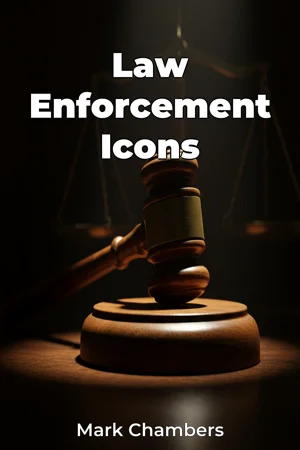
What happens when those sworn to uphold the law become the very subjects of its scrutiny? "Law Enforcement Icons" delves into the complex and often contradictory lives of prosecutors, investigators, and legal minds who have grappled with corruption, crime, and the inherent failures within our legal systems. This book is not a simple recounting of cases won or lost; instead, it is an examination of the individuals behind the headlines, exploring their motivations, their methods, and the legacies they leave behind. We will confront two main topics: the seductive nature of power within legal frameworks and the ethical tightrope walked by those who wield it. These themes are crucial to understanding the real-world impact of law enforcement decisions and their ramifications for society as a whole. Our second key topic will be the systemic issues that enable corruption and legal failures in the first place. By shining a light on these vulnerabilities, we aim to foster a more informed public discourse about how to improve accountability and transparency. The historical and social context is vital. The book examines cases spanning several decades, reflecting the evolving nature of crime and corruption, as well as the shifting public attitudes towards law enforcement. Prior knowledge of basic legal terminology is helpful but not essential, as relevant terms are explained within the text. The central argument of "Law Enforcement Icons" is that true justice requires constant vigilance and a willingness to challenge the status quo, even when it involves questioning those in positions of authority. This argument is significant because it underscores the importance of independent oversight and the need for systemic reforms to prevent abuse of power. The book is structured as follows: a) We begin by introducing the concept of "legal icons," examining the qualities and characteristics that define these individuals, both positive and negative. b) The core of the book is comprised of detailed case studies, each focusing on a different individual or group of individuals involved in high-profile cases of corruption or legal failures. These case studies are organized around key themes such as abuse of power, prosecutorial misconduct, and systemic corruption. Each case is meticulously reconstructed using primary sources, court documents, and investigative reports. c) The book culminates in a synthesis of the case studies, drawing broader conclusions about the nature of corruption and the challenges of maintaining ethical standards in law enforcement. d) Finally, it offers practical recommendations for reform, including enhanced oversight mechanisms, improved training programs, and a greater emphasis on ethical leadership. The evidence presented in "Law Enforcement Icons" is drawn from a wide range of sources, including court transcripts, internal memos, witness testimonies, and investigative reports. Unique data comes from interviews with legal professionals, journalists, and individuals directly affected by the cases. The book connects to other fields such as sociology, political science, and ethics. Sociology provides insight into the social factors that contribute to crime and corruption. Political science helps to understand the power dynamics that shape law enforcement practices. Ethics provides a framework for analyzing the moral dimensions of legal decision-making. What sets "Law Enforcement Icons" apart is its commitment to providing a balanced and nuanced account of complex legal issues. The book avoids sensationalism and instead focuses on presenting the facts in a clear and objective manner. The tone is professional and accessible. The writing style combines narrative storytelling with rigorous analysis, making it engaging for a broad audience. The target audience includes students of law, criminal justice, and political science, as well as legal professionals, journalists, and general readers interested in true crime and political intrigue. The book will appeal to those seeking a deeper understanding of the challenges facing law enforcement today. The book adheres to the conventions of the true crime genre by presenting factual accounts of real-life events. It also incorporates elements of political analysis, exploring the political factors that influence law enforcement decisions. The scope of "Law Enforcement Icons" is limited to cases of corruption, crime, and legal failures within the United States. While the book acknowledges that these issues are global in scope, it focuses on the American experience in order to provide a more in-depth analysis. The information in "Law Enforcement Icons" can be applied practically by readers who are interested in pursuing careers in law enforcement or related fields. The book provides valuable insights into the ethical challenges facing legal professionals and offers practical strategies for maintaining integrity and accountability. The book addresses ongoing debates about police reform, prosecutorial discretion, and the role of government oversight in preventing corruption. By presenting different perspectives on these issues, the book encourages readers to think critically about the challenges facing law enforcement today.
What happens when those sworn to uphold the law become the very subjects of its scrutiny? "Law Enforcement Icons" delves into the complex and often contradictory lives of prosecutors, investigators, and legal minds who have grappled with corruption, crime, and the inherent failures within our legal systems. This book is not a simple recounting of cases won or lost; instead, it is an examination of the individuals behind the headlines, exploring their motivations, their methods, and the legacies they leave behind. We will confront two main topics: the seductive nature of power within legal frameworks and the ethical tightrope walked by those who wield it. These themes are crucial to understanding the real-world impact of law enforcement decisions and their ramifications for society as a whole. Our second key topic will be the systemic issues that enable corruption and legal failures in the first place. By shining a light on these vulnerabilities, we aim to foster a more informed public discourse about how to improve accountability and transparency. The historical and social context is vital. The book examines cases spanning several decades, reflecting the evolving nature of crime and corruption, as well as the shifting public attitudes towards law enforcement. Prior knowledge of basic legal terminology is helpful but not essential, as relevant terms are explained within the text. The central argument of "Law Enforcement Icons" is that true justice requires constant vigilance and a willingness to challenge the status quo, even when it involves questioning those in positions of authority. This argument is significant because it underscores the importance of independent oversight and the need for systemic reforms to prevent abuse of power. The book is structured as follows: a) We begin by introducing the concept of "legal icons," examining the qualities and characteristics that define these individuals, both positive and negative. b) The core of the book is comprised of detailed case studies, each focusing on a different individual or group of individuals involved in high-profile cases of corruption or legal failures. These case studies are organized around key themes such as abuse of power, prosecutorial misconduct, and systemic corruption. Each case is meticulously reconstructed using primary sources, court documents, and investigative reports. c) The book culminates in a synthesis of the case studies, drawing broader conclusions about the nature of corruption and the challenges of maintaining ethical standards in law enforcement. d) Finally, it offers practical recommendations for reform, including enhanced oversight mechanisms, improved training programs, and a greater emphasis on ethical leadership. The evidence presented in "Law Enforcement Icons" is drawn from a wide range of sources, including court transcripts, internal memos, witness testimonies, and investigative reports. Unique data comes from interviews with legal professionals, journalists, and individuals directly affected by the cases. The book connects to other fields such as sociology, political science, and ethics. Sociology provides insight into the social factors that contribute to crime and corruption. Political science helps to understand the power dynamics that shape law enforcement practices. Ethics provides a framework for analyzing the moral dimensions of legal decision-making. What sets "Law Enforcement Icons" apart is its commitment to providing a balanced and nuanced account of complex legal issues. The book avoids sensationalism and instead focuses on presenting the facts in a clear and objective manner. The tone is professional and accessible. The writing style combines narrative storytelling with rigorous analysis, making it engaging for a broad audience. The target audience includes students of law, criminal justice, and political science, as well as legal professionals, journalists, and general readers interested in true crime and political intrigue. The book will appeal to those seeking a deeper understanding of the challenges facing law enforcement today. The book adheres to the conventions of the true crime genre by presenting factual accounts of real-life events. It also incorporates elements of political analysis, exploring the political factors that influence law enforcement decisions. The scope of "Law Enforcement Icons" is limited to cases of corruption, crime, and legal failures within the United States. While the book acknowledges that these issues are global in scope, it focuses on the American experience in order to provide a more in-depth analysis. The information in "Law Enforcement Icons" can be applied practically by readers who are interested in pursuing careers in law enforcement or related fields. The book provides valuable insights into the ethical challenges facing legal professionals and offers practical strategies for maintaining integrity and accountability. The book addresses ongoing debates about police reform, prosecutorial discretion, and the role of government oversight in preventing corruption. By presenting different perspectives on these issues, the book encourages readers to think critically about the challenges facing law enforcement today.
"Law Enforcement Icons" dives into the intricate world of law enforcement, scrutinizing figures who've navigated the blurred lines of corruption and legal failures. Rather than a highlight reel of legal victories, the book examines the motivations and methods of those behind the headlines, revealing the seductive nature of power and the ethical tightrope walked by legal professionals. It uncovers systemic issues that enable corruption, aiming to foster a more informed public discourse on accountability. For example, the book will show how immense prosecutorial discretion, while necessary, can also be a breeding ground for abuse of power. The book progresses through an introduction of "legal icons," detailed case studies exploring abuse of power and prosecutorial misconduct using court documents and investigative reports, and a synthesis of the case studies offering recommendations for reform. By presenting meticulously reconstructed cases, "Law Enforcement Icons" stands out by providing a balanced, nuanced, and objective account of complex legal issues, connecting True Crime with Politics and examining the shifting landscape of crime and public attitudes. The book argues that constant vigilance is required to challenge the status quo, even when questioning those in authority.
Book Details
ISBN
9788235268396
Publisher
Publifye AS
Your Licenses
You don't own any licenses for this book
Purchase a license below to unlock this book and download the EPUB.
Purchase License
Select a tier to unlock this book
Need bulk licensing?
Contact us for enterprise agreements.