
About This Book
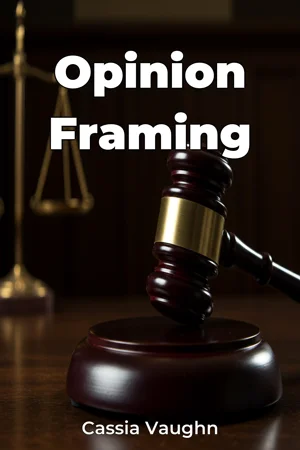
How do opinions take hold, shape societies, and drive civic action? "Opinion Framing" delves into the persuasive architecture of public essays, exploring how these writings construct viewpoints and exert influence within the civic sphere. This book examines the strategic communication inherent in effective essays, focusing on the mechanics through which authors shape public discourse and, ultimately, impact society. The key topics include: the rhetorical techniques employed to frame issues; the psychological principles of persuasion in action; and the role of narrative in solidifying opinions. Understanding these elements is crucial because they directly correlate to the effectiveness and impact of public discourse, enabling a more informed and critical engagement with the information we consume daily. The book provides a foundational understanding of rhetorical theory, media studies, and political communication. It presents historical examples of influential essays, from pamphlets that stoked revolutions to contemporary online op-eds, charting how the medium has evolved while its persuasive purpose has remained constant. No prior deep knowledge is needed, but familiarity with current affairs and basic principles of rhetoric will augment the reader's experience. At its core, "Opinion Framing" argues that public essays are not merely reflections of existing sentiment, but active agents in constructing and disseminating viewpoints. This argument is crucial because it shifts the focus from simply analyzing surface-level opinions to understanding the underlying processes of their formation and the techniques used to propagate them. The book is structured in four primary sections. The first introduces the concepts of framing, rhetoric, and persuasion. The second section examines specific rhetorical strategies like appeals to emotion, logical argumentation, and construction of narratives. The third analyzes case studies of impactful essays across various historical and societal contexts showcasing these techniques. The final part considers the ethical implications of opinion framing and offers strategies for critically evaluating persuasive messages. The analysis relies on textual analysis of prominent essays, cross-referencing rhetorical strategies with psychological principles of persuasion. Drawing on communication studies, sociological studies of public opinion, and literary criticism, the book synthesizes diverse perspectives to offer a comprehensive understanding of the subject. "Opinion Framing" connects to the fields of political science by examining how framed opinions shape policy; to psychology, by investigating the cognitive biases that influence acceptance of framed messages; and to education, through the promotion of media literacy and critical thinking skills. The book adopts a unique perspective by concentrating on the intersection of rhetorical technique and psychological impact within the specific context of public essays. It moves beyond abstract theories of persuasion, grounding its analysis in concrete examples and offering practical tools for understanding and evaluating opinion framing. The tone is analytical and informative, blending academic rigor with accessible language. "Opinion Framing" is intended for students and scholars of communication, political science, journalism, and rhetoric, as well as engaged citizens seeking to understand the forces shaping public discourse. It will benefit anyone interested in the art and science of persuasion and its impact on society. As a work of non-fiction, it adheres to the principles of accuracy, objectivity, and evidence-based analysis. The book deliberately focuses on written essays intended for a broad public audience, excluding forms of persuasive rhetoric such as speeches or advertisements. While these other forms undoubtedly influence public opinion, a focus on essays allows for a detailed exploration of specific techniques within a defined context. The insights presented by "Opinion Framing" have real-world applications for citizens looking to critically assess the opinions they encounter and for writers aiming to engage effectively in public discourse. The book acknowledges ongoing debates about the ethics of persuasion, particularly concerns about manipulation and the spread of misinformation. By analyzing the techniques of opinion framing, the book aims to empower individuals to become more discerning consumers and more responsible producers of persuasive messages.
How do opinions take hold, shape societies, and drive civic action? "Opinion Framing" delves into the persuasive architecture of public essays, exploring how these writings construct viewpoints and exert influence within the civic sphere. This book examines the strategic communication inherent in effective essays, focusing on the mechanics through which authors shape public discourse and, ultimately, impact society. The key topics include: the rhetorical techniques employed to frame issues; the psychological principles of persuasion in action; and the role of narrative in solidifying opinions. Understanding these elements is crucial because they directly correlate to the effectiveness and impact of public discourse, enabling a more informed and critical engagement with the information we consume daily. The book provides a foundational understanding of rhetorical theory, media studies, and political communication. It presents historical examples of influential essays, from pamphlets that stoked revolutions to contemporary online op-eds, charting how the medium has evolved while its persuasive purpose has remained constant. No prior deep knowledge is needed, but familiarity with current affairs and basic principles of rhetoric will augment the reader's experience. At its core, "Opinion Framing" argues that public essays are not merely reflections of existing sentiment, but active agents in constructing and disseminating viewpoints. This argument is crucial because it shifts the focus from simply analyzing surface-level opinions to understanding the underlying processes of their formation and the techniques used to propagate them. The book is structured in four primary sections. The first introduces the concepts of framing, rhetoric, and persuasion. The second section examines specific rhetorical strategies like appeals to emotion, logical argumentation, and construction of narratives. The third analyzes case studies of impactful essays across various historical and societal contexts showcasing these techniques. The final part considers the ethical implications of opinion framing and offers strategies for critically evaluating persuasive messages. The analysis relies on textual analysis of prominent essays, cross-referencing rhetorical strategies with psychological principles of persuasion. Drawing on communication studies, sociological studies of public opinion, and literary criticism, the book synthesizes diverse perspectives to offer a comprehensive understanding of the subject. "Opinion Framing" connects to the fields of political science by examining how framed opinions shape policy; to psychology, by investigating the cognitive biases that influence acceptance of framed messages; and to education, through the promotion of media literacy and critical thinking skills. The book adopts a unique perspective by concentrating on the intersection of rhetorical technique and psychological impact within the specific context of public essays. It moves beyond abstract theories of persuasion, grounding its analysis in concrete examples and offering practical tools for understanding and evaluating opinion framing. The tone is analytical and informative, blending academic rigor with accessible language. "Opinion Framing" is intended for students and scholars of communication, political science, journalism, and rhetoric, as well as engaged citizens seeking to understand the forces shaping public discourse. It will benefit anyone interested in the art and science of persuasion and its impact on society. As a work of non-fiction, it adheres to the principles of accuracy, objectivity, and evidence-based analysis. The book deliberately focuses on written essays intended for a broad public audience, excluding forms of persuasive rhetoric such as speeches or advertisements. While these other forms undoubtedly influence public opinion, a focus on essays allows for a detailed exploration of specific techniques within a defined context. The insights presented by "Opinion Framing" have real-world applications for citizens looking to critically assess the opinions they encounter and for writers aiming to engage effectively in public discourse. The book acknowledges ongoing debates about the ethics of persuasion, particularly concerns about manipulation and the spread of misinformation. By analyzing the techniques of opinion framing, the book aims to empower individuals to become more discerning consumers and more responsible producers of persuasive messages.
"Opinion Framing" explores the intricate art of persuasion within public essays, revealing how these writings actively shape viewpoints and influence civic action. It delves into the rhetorical techniques authors employ to frame issues, impacting public discourse and society. Understanding these techniques is crucial for informed engagement with daily information, as the book highlights how essays are not merely reflections of existing sentiment, but active agents in constructing and disseminating viewpoints. The book provides a foundational understanding of rhetoric, media studies, and political communication, presenting historical examples of influential essays. By analyzing prominent essays and cross-referencing rhetorical strategies with psychological principles of persuasion, "Opinion Framing" demonstrates how persuasive messages are crafted and received. Learn how appeals to emotion, logical argumentation, and narrative construction play pivotal roles in solidifying opinions within the public sphere. Structured in four parts, the book introduces framing concepts, examines specific rhetorical strategies, analyzes impactful case studies, and considers ethical implications. This approach empowers readers to critically evaluate persuasive messages and understand the forces shaping public discourse. Ultimately, the goal is to promote media literacy and critical thinking skills, enabling citizens to become more discerning consumers and responsible producers of persuasive messages.
Book Details
ISBN
9788235268334
Publisher
Publifye AS
Your Licenses
You don't own any licenses for this book
Purchase a license below to unlock this book and download the EPUB.
Purchase License
Select a tier to unlock this book
Need bulk licensing?
Contact us for enterprise agreements.