
About This Book
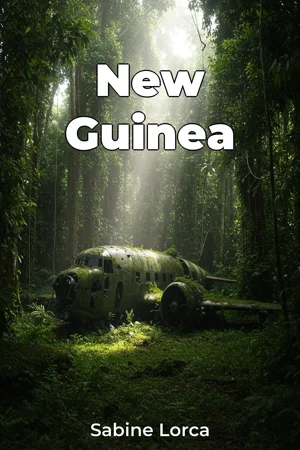
Imagine a land where time seems to have woven an intricate tapestry of ancient tribal customs alongside the indelible marks of colonial influence and the brutal realities of global conflict. This is New Guinea, a land explored within these pages, revealing a comprehensive history that spans millennia, revealing the complex interplay of indigenous societies, foreign powers, and the island's strategic significance in the 20th century. This book seeks to illuminate the multifaceted history of New Guinea, focusing on its profound tribal diversity, the long shadow of colonial rule, and its pivotal, often overlooked, role in conflicts such as World War II. These topics are of paramount importance, they unveil the narrative of a region shaped by a unique blend of isolation and global interaction, making its history essential for understanding cultural resilience, the legacies of colonialism, and the strategic underpinnings of modern geopolitics. This exploration begins by establishing the historical and cultural context of New Guinea, examining the origins and evolution of its diverse tribal groups. It addresses the linguistic, social, and cultural variations that define the island's interior, highlighting the resourcefulness and adaptability of its inhabitants in the face of ecological challenges and external pressures. The book meticulously details the arrival and impact of European colonial powers, specifically focusing on the administrative policies, economic exploitation, and social disruptions caused by German, British, and Australian control. These chapters will reveal the mechanisms of colonial governance and the resistance movements that emerged in response. The book then transitions to New Guinea's crucial role in World War II examining the strategic battles fought across its rugged terrain and the devastating impact on both its indigenous population and its environment. The central argument posits that New Guinea's history is not a peripheral narrative but a crucial case study in understanding the dynamics of cultural interaction, colonial legacies, and geopolitical strategy. By weaving together historical accounts, anthropological insights, and military analyses, the book constructs a holistic view of this complex region, challenging conventional narratives that often overlook its significance. The book's structure will follow a chronological and thematic approach. It will commence with an introduction to New Guinea's geography and pre-colonial history, detailing the diverse tribal cultures and their intricate social systems. The second section will explore the era of colonial rule, analyzing the motivations and methods of each colonial power and the varying experiences of the indigenous population. The third section will concentrate on New Guinea's involvement in World War II, providing detailed accounts of key battles, military strategies, and the long-term consequences of the conflict. The book culminates with an assessment of New Guinea's post-colonial development, examining its challenges and opportunities in the 21st century. To support its arguments, the book draws upon a wide range of primary and secondary sources, including archival documents, ethnographic studies, military records, and oral histories. It also incorporates cartographic evidence and photographic documentation to provide a vivid and compelling portrayal of New Guinea's history. The study of New Guinea's history intersects with fields such as anthropology, political science, and environmental studies. The investigation of tribal cultures offers insights into human adaptation and social organization. Examining colonial governance contributes to broader discussions of imperialism. Analyzing the environmental impact of warfare adds to the growing field of ecological history. This book distinguishes itself by adopting a multidisciplinary approach, integrating historical analysis with anthropological, political, and environmental perspectives. It offers a nuanced and comprehensive account of New Guinea's history, challenging readers to reconsider conventional narratives and appreciate the region's unique significance. Written in a clear and accessible style, the book is designed for a broad audience, including students, scholars, and general readers interested in history, anthropology, and military studies. It will be particularly valuable for those seeking a deeper understanding of colonialism, cultural diversity, and the impact of global conflicts on local populations. Adhering to the conventions of historical writing, the book places emphasis on factual accuracy, rigorous analysis, and clear presentation of evidence. It acknowledges the limitations of available sources and offers balanced interpretations of complex historical events. The scope of the book encompasses the entire island of New Guinea but it primarily focuses on the modern state of Papua New Guinea, with some attention paid to the Indonesian provinces of Papua and West Papua. It deliberately avoids speculative or sensationalized accounts, focusing instead on providing a scholarly and reliable account of the region's history. The lessons learned from New Guinea's history have practical applications for contemporary issues such as cultural preservation, conflict resolution, and sustainable development. Understanding the legacies of colonialism and the impact of warfare can inform policies aimed at promoting reconciliation and fostering social justice. The book will address ongoing debates surrounding the interpretation of colonial history and the representation of indigenous cultures. It will engage with diverse perspectives and offer nuanced analyses of contested issues.
Imagine a land where time seems to have woven an intricate tapestry of ancient tribal customs alongside the indelible marks of colonial influence and the brutal realities of global conflict. This is New Guinea, a land explored within these pages, revealing a comprehensive history that spans millennia, revealing the complex interplay of indigenous societies, foreign powers, and the island's strategic significance in the 20th century. This book seeks to illuminate the multifaceted history of New Guinea, focusing on its profound tribal diversity, the long shadow of colonial rule, and its pivotal, often overlooked, role in conflicts such as World War II. These topics are of paramount importance, they unveil the narrative of a region shaped by a unique blend of isolation and global interaction, making its history essential for understanding cultural resilience, the legacies of colonialism, and the strategic underpinnings of modern geopolitics. This exploration begins by establishing the historical and cultural context of New Guinea, examining the origins and evolution of its diverse tribal groups. It addresses the linguistic, social, and cultural variations that define the island's interior, highlighting the resourcefulness and adaptability of its inhabitants in the face of ecological challenges and external pressures. The book meticulously details the arrival and impact of European colonial powers, specifically focusing on the administrative policies, economic exploitation, and social disruptions caused by German, British, and Australian control. These chapters will reveal the mechanisms of colonial governance and the resistance movements that emerged in response. The book then transitions to New Guinea's crucial role in World War II examining the strategic battles fought across its rugged terrain and the devastating impact on both its indigenous population and its environment. The central argument posits that New Guinea's history is not a peripheral narrative but a crucial case study in understanding the dynamics of cultural interaction, colonial legacies, and geopolitical strategy. By weaving together historical accounts, anthropological insights, and military analyses, the book constructs a holistic view of this complex region, challenging conventional narratives that often overlook its significance. The book's structure will follow a chronological and thematic approach. It will commence with an introduction to New Guinea's geography and pre-colonial history, detailing the diverse tribal cultures and their intricate social systems. The second section will explore the era of colonial rule, analyzing the motivations and methods of each colonial power and the varying experiences of the indigenous population. The third section will concentrate on New Guinea's involvement in World War II, providing detailed accounts of key battles, military strategies, and the long-term consequences of the conflict. The book culminates with an assessment of New Guinea's post-colonial development, examining its challenges and opportunities in the 21st century. To support its arguments, the book draws upon a wide range of primary and secondary sources, including archival documents, ethnographic studies, military records, and oral histories. It also incorporates cartographic evidence and photographic documentation to provide a vivid and compelling portrayal of New Guinea's history. The study of New Guinea's history intersects with fields such as anthropology, political science, and environmental studies. The investigation of tribal cultures offers insights into human adaptation and social organization. Examining colonial governance contributes to broader discussions of imperialism. Analyzing the environmental impact of warfare adds to the growing field of ecological history. This book distinguishes itself by adopting a multidisciplinary approach, integrating historical analysis with anthropological, political, and environmental perspectives. It offers a nuanced and comprehensive account of New Guinea's history, challenging readers to reconsider conventional narratives and appreciate the region's unique significance. Written in a clear and accessible style, the book is designed for a broad audience, including students, scholars, and general readers interested in history, anthropology, and military studies. It will be particularly valuable for those seeking a deeper understanding of colonialism, cultural diversity, and the impact of global conflicts on local populations. Adhering to the conventions of historical writing, the book places emphasis on factual accuracy, rigorous analysis, and clear presentation of evidence. It acknowledges the limitations of available sources and offers balanced interpretations of complex historical events. The scope of the book encompasses the entire island of New Guinea but it primarily focuses on the modern state of Papua New Guinea, with some attention paid to the Indonesian provinces of Papua and West Papua. It deliberately avoids speculative or sensationalized accounts, focusing instead on providing a scholarly and reliable account of the region's history. The lessons learned from New Guinea's history have practical applications for contemporary issues such as cultural preservation, conflict resolution, and sustainable development. Understanding the legacies of colonialism and the impact of warfare can inform policies aimed at promoting reconciliation and fostering social justice. The book will address ongoing debates surrounding the interpretation of colonial history and the representation of indigenous cultures. It will engage with diverse perspectives and offer nuanced analyses of contested issues.
"New Guinea" explores the intricate history of an island shaped by ancient tribal customs, colonial influences, and World War II. The book delves into the island's profound tribal diversity, the impact of colonial rule by German, British, and Australian powers, and its strategic role during global conflicts. It reveals how New Guinea's unique blend of isolation and global interaction makes its history essential for understanding cultural resilience and the legacies of colonialism. The book begins by laying the historical and cultural groundwork, examining the origins and evolution of New Guinea's diverse tribal groups and their adaptability. It then meticulously details the arrival and impact of European colonial powers, focusing on their administrative policies and the resistance movements that emerged. Transitioning to World War II, the book examines the strategic battles fought on New Guinea's rugged terrain and the devastating impact on the indigenous population. This approach highlights the island's often overlooked significance in geopolitical strategy. Concluding with an assessment of New Guinea's post-colonial development, the book adopts a multidisciplinary approach by integrating historical analysis with anthropological, political, and environmental perspectives. By weaving together historical accounts, anthropological insights, and military analyses, the book constructs a holistic view of this complex region. It challenges conventional narratives and offers a nuanced account of New Guinea's history.
Book Details
ISBN
9788235268327
Publisher
Publifye AS
Your Licenses
You don't own any licenses for this book
Purchase a license below to unlock this book and download the EPUB.
Purchase License
Select a tier to unlock this book
Need bulk licensing?
Contact us for enterprise agreements.