
About This Book
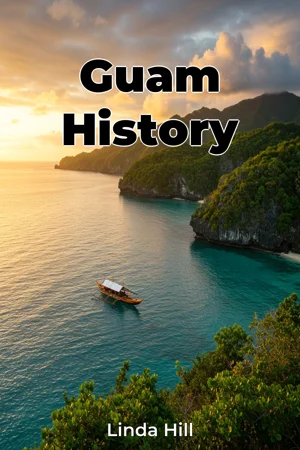
How did a small island in the Western Pacific become a linchpin of global power, subjected to centuries of colonial ambition and strategic maneuvering? "Guam History" meticulously examines the multifaceted story of Guam, charting its journey from the ancient traditions of the Chamorro people to its pivotal role in the geopolitical landscape of the Spanish Empire, Imperial Japan, and the United States. This book delves into the complex layers of Guam's past, revealing how its geographical location has shaped its destiny. We explore the fundamental questions of cultural resilience, imperial dominance, and the enduring spirit of the Chamorro people in the face of overwhelming external forces. Understanding Guam's history provides a crucial lens through which to examine broader themes of colonialism, military strategy, and the ongoing negotiation of identity in a globalized world. The narrative begins by establishing the pre-colonial context, detailing the rich cultural heritage, social structures, and unique seafaring traditions of the Chamorro people, who inhabited the island for millennia. It then transitions to the arrival of the Spanish in the 17th century, marking the beginning of a long period of colonial rule that profoundly altered Guam's social, religious, and economic landscape. We analyze the impact of Spanish governance, including the introduction of Catholicism, new agricultural practices, and the suppression of indigenous customs. The book meticulously recounts the Chamorro resistance to Spanish rule and the devastating consequences of conflict and disease. The second major section of "Guam History" focuses on the island's strategic importance in the 20th century, particularly during World War II. It examines the Japanese occupation of Guam and the brutal realities faced by the Chamorro people under Japanese rule. Furthermore, we analyze the American recapture of Guam, a critical turning point in the Pacific Theater, and its subsequent transformation into a major U.S. military base. The book investigates the long-term implications of this military presence on Guam's economy, environment, and cultural identity. We will cover the debates surrounding land use, environmental impact, and the ongoing quest for greater self-determination. Finally, the book explores Guam's contemporary status as an unincorporated territory of the United States. It examines the ongoing political and economic challenges faced by the island, including issues of sovereignty, economic development, and the preservation of Chamorro culture. This section analyzes the complex relationship between Guam and the United States, highlighting the tensions between local aspirations and federal control. "Guam History" draws upon a variety of sources, including archival documents, oral histories, archaeological findings, and scholarly analyses, to present a comprehensive and nuanced account of the island's past. It incorporates interdisciplinary perspectives from history, anthropology, political science, and environmental studies to provide a holistic understanding of Guam's complex story. This book is intended for students, researchers, and anyone interested in the history of Guam, the Pacific region, and the broader themes of colonialism and globalization. It offers a unique perspective on the intersection of culture, power, and geography in shaping the destiny of a small island with significant strategic importance. It addresses the ongoing debates regarding Guam’s political status and the balance between economic development and cultural preservation. Through a careful examination of Guam's past, "Guam History" offers valuable insights into the challenges and opportunities facing the island community today.
How did a small island in the Western Pacific become a linchpin of global power, subjected to centuries of colonial ambition and strategic maneuvering? "Guam History" meticulously examines the multifaceted story of Guam, charting its journey from the ancient traditions of the Chamorro people to its pivotal role in the geopolitical landscape of the Spanish Empire, Imperial Japan, and the United States. This book delves into the complex layers of Guam's past, revealing how its geographical location has shaped its destiny. We explore the fundamental questions of cultural resilience, imperial dominance, and the enduring spirit of the Chamorro people in the face of overwhelming external forces. Understanding Guam's history provides a crucial lens through which to examine broader themes of colonialism, military strategy, and the ongoing negotiation of identity in a globalized world. The narrative begins by establishing the pre-colonial context, detailing the rich cultural heritage, social structures, and unique seafaring traditions of the Chamorro people, who inhabited the island for millennia. It then transitions to the arrival of the Spanish in the 17th century, marking the beginning of a long period of colonial rule that profoundly altered Guam's social, religious, and economic landscape. We analyze the impact of Spanish governance, including the introduction of Catholicism, new agricultural practices, and the suppression of indigenous customs. The book meticulously recounts the Chamorro resistance to Spanish rule and the devastating consequences of conflict and disease. The second major section of "Guam History" focuses on the island's strategic importance in the 20th century, particularly during World War II. It examines the Japanese occupation of Guam and the brutal realities faced by the Chamorro people under Japanese rule. Furthermore, we analyze the American recapture of Guam, a critical turning point in the Pacific Theater, and its subsequent transformation into a major U.S. military base. The book investigates the long-term implications of this military presence on Guam's economy, environment, and cultural identity. We will cover the debates surrounding land use, environmental impact, and the ongoing quest for greater self-determination. Finally, the book explores Guam's contemporary status as an unincorporated territory of the United States. It examines the ongoing political and economic challenges faced by the island, including issues of sovereignty, economic development, and the preservation of Chamorro culture. This section analyzes the complex relationship between Guam and the United States, highlighting the tensions between local aspirations and federal control. "Guam History" draws upon a variety of sources, including archival documents, oral histories, archaeological findings, and scholarly analyses, to present a comprehensive and nuanced account of the island's past. It incorporates interdisciplinary perspectives from history, anthropology, political science, and environmental studies to provide a holistic understanding of Guam's complex story. This book is intended for students, researchers, and anyone interested in the history of Guam, the Pacific region, and the broader themes of colonialism and globalization. It offers a unique perspective on the intersection of culture, power, and geography in shaping the destiny of a small island with significant strategic importance. It addresses the ongoing debates regarding Guam’s political status and the balance between economic development and cultural preservation. Through a careful examination of Guam's past, "Guam History" offers valuable insights into the challenges and opportunities facing the island community today.
"Guam History" explores the captivating story of Guam, a small island whose history reflects centuries of colonial ambition and strategic global importance. From the traditions of the Chamorro people to its role in the Spanish Empire, World War II, and beyond, the book examines how Guam's location shaped its destiny. Intriguing facts include the devastating impact of diseases introduced by Spanish colonizers on the Chamorro population and Guam's transformation into a crucial U.S. military base, impacting its economy and cultural identity. The book traces Guam's journey from its pre-colonial heritage, highlighting Chamorro seafaring traditions, to Spanish colonization and the profound cultural shifts that followed. It then shifts to the 20th century, focusing on the Japanese occupation during World War II and the subsequent American recapture, which dramatically reshaped the island. The narrative concludes by examining Guam's current status as an unincorporated U.S. territory, addressing challenges related to sovereignty, economic development, and cultural preservation. Drawing on diverse sources, "Guam History" offers a nuanced account of the island's past, making it valuable for anyone interested in Pacific history, colonialism, and globalization.
Book Details
ISBN
9788235268310
Publisher
Publifye AS
Your Licenses
You don't own any licenses for this book
Purchase a license below to unlock this book and download the EPUB.
Purchase License
Select a tier to unlock this book
Need bulk licensing?
Contact us for enterprise agreements.