
About This Book
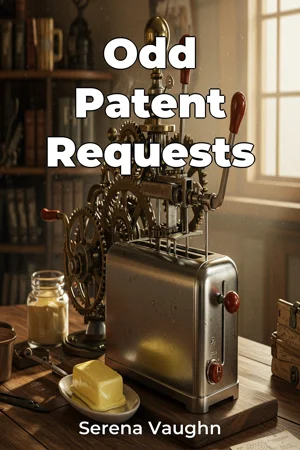
Have you ever wondered what happens to all the crazy ideas that inventors dream up? "Odd Patent Requests" delves into the fascinating world of inventions that, for one reason or another, never quite made it off the drawing board or into practical use. We explore the intersection of technological aspiration and real-world functionality. The book primarily concerns itself with two key topics: the creativity (and sometimes misguided ingenuity) behind patented inventions and the practical limitations that prevent these inventions from becoming functional or marketable products. Understanding these limitations involves examining factors such as cost, feasibility, societal need, and existing technology. These topics are significant because they provide insight into the inventive process and the role of practicality in innovation. To fully appreciate the context of these inventions, we will explore the historical landscape of patent filings, examining trends in innovation and the evolution of patent law. No specific prerequisite knowledge is required. The book's structure is designed to be accessible to a broad audience with an interest in technology and invention. The central argument of "Odd Patent Requests" is that the patent system captures not only groundbreaking innovations but also a vast number of impractical or whimsical ideas, highlighting the sometimes-tenuous relationship between invention and utility. Understanding this distinction is important for anyone interested in technology, business, or the history of innovation. The book is structured in three parts. First, we introduce the patent system and the criteria for patentability, explaining how even seemingly absurd ideas can receive protection. Second, we examine a series of case studies, grouping thematically by area of invention, such as transportation (flying bicycles), personal care (self-rocking baby cribs), and automated devices (buttering toasters). Each case study includes a discussion of the invention's intended purpose, its technical design, and the reasons for its ultimate failure or lack of adoption. Third, we analyze the broader implications of these "odd" patent requests, exploring their cultural significance, their contribution to the history of technology, and their lessons for future inventors. The book draws upon real patent filings, technical diagrams, and historical records to support its claims. We will analyze data from the United States Patent and Trademark Office (USPTO) and similar international organizations. Where available, the personal stories and documented explanations of the inventors are included. "Odd Patent Requests" has interdisciplinary connections to areas such as engineering, business, and legal studies. The engineering aspect focuses on the feasibility of the inventions; the business aspect explores the market viability of new products; and the legal aspects concern the function and limitations of the patent system. These connections enrich the book's argument by providing a comprehensive view of the inventive process. What sets this book apart is its focus on the unusual and often humorous side of invention. We challenge the notion that all patents represent significant technological advancements. Written in a conversational style, "Odd Patent Requests" will appeal to technology enthusiasts, students of invention and innovation, and anyone curious about the creative process. The lack of technical jargon makes it accessible to a broad audience. As a non-fiction book, this work adheres to standards of accuracy, objectivity, and proper citation. While the scope is broad—covering a wide range of inventions from different eras—it is also limited to patented ideas. We do not speculate on unpatented concepts, however eccentric they are. Understanding why some inventions fail can be as valuable as understanding why others succeed. The book's insights can be applied to the fields of product development, engineering design, and technology management. While there is general agreement on the importance of intellectual property protection, there are ongoing debates about the criteria for patentability and the role of the patent system in fostering innovation. "Odd Patent Requests" contributes to this discussion by highlighting the often-overlooked element of practicality.
Have you ever wondered what happens to all the crazy ideas that inventors dream up? "Odd Patent Requests" delves into the fascinating world of inventions that, for one reason or another, never quite made it off the drawing board or into practical use. We explore the intersection of technological aspiration and real-world functionality. The book primarily concerns itself with two key topics: the creativity (and sometimes misguided ingenuity) behind patented inventions and the practical limitations that prevent these inventions from becoming functional or marketable products. Understanding these limitations involves examining factors such as cost, feasibility, societal need, and existing technology. These topics are significant because they provide insight into the inventive process and the role of practicality in innovation. To fully appreciate the context of these inventions, we will explore the historical landscape of patent filings, examining trends in innovation and the evolution of patent law. No specific prerequisite knowledge is required. The book's structure is designed to be accessible to a broad audience with an interest in technology and invention. The central argument of "Odd Patent Requests" is that the patent system captures not only groundbreaking innovations but also a vast number of impractical or whimsical ideas, highlighting the sometimes-tenuous relationship between invention and utility. Understanding this distinction is important for anyone interested in technology, business, or the history of innovation. The book is structured in three parts. First, we introduce the patent system and the criteria for patentability, explaining how even seemingly absurd ideas can receive protection. Second, we examine a series of case studies, grouping thematically by area of invention, such as transportation (flying bicycles), personal care (self-rocking baby cribs), and automated devices (buttering toasters). Each case study includes a discussion of the invention's intended purpose, its technical design, and the reasons for its ultimate failure or lack of adoption. Third, we analyze the broader implications of these "odd" patent requests, exploring their cultural significance, their contribution to the history of technology, and their lessons for future inventors. The book draws upon real patent filings, technical diagrams, and historical records to support its claims. We will analyze data from the United States Patent and Trademark Office (USPTO) and similar international organizations. Where available, the personal stories and documented explanations of the inventors are included. "Odd Patent Requests" has interdisciplinary connections to areas such as engineering, business, and legal studies. The engineering aspect focuses on the feasibility of the inventions; the business aspect explores the market viability of new products; and the legal aspects concern the function and limitations of the patent system. These connections enrich the book's argument by providing a comprehensive view of the inventive process. What sets this book apart is its focus on the unusual and often humorous side of invention. We challenge the notion that all patents represent significant technological advancements. Written in a conversational style, "Odd Patent Requests" will appeal to technology enthusiasts, students of invention and innovation, and anyone curious about the creative process. The lack of technical jargon makes it accessible to a broad audience. As a non-fiction book, this work adheres to standards of accuracy, objectivity, and proper citation. While the scope is broad—covering a wide range of inventions from different eras—it is also limited to patented ideas. We do not speculate on unpatented concepts, however eccentric they are. Understanding why some inventions fail can be as valuable as understanding why others succeed. The book's insights can be applied to the fields of product development, engineering design, and technology management. While there is general agreement on the importance of intellectual property protection, there are ongoing debates about the criteria for patentability and the role of the patent system in fostering innovation. "Odd Patent Requests" contributes to this discussion by highlighting the often-overlooked element of practicality.
"Odd Patent Requests" explores the fascinating world of patented inventions that never quite made it into practical use, examining the intersection of technological aspiration and real-world functionality. The book delves into the creativity behind patented inventions and the limitations preventing them from becoming functional or marketable products. One intriguing aspect is how the patent system sometimes protects seemingly absurd ideas, from flying bicycles to self-rocking baby cribs. It highlights the often-tenuous relationship between invention and utility, offering insights valuable to those interested in technology, business, or the history of innovation. The book progresses through three key sections. It begins by introducing the patent system and criteria for patentability. Next, it examines case studies grouped by area of invention, such as transportation, personal care, and automated devices, discussing their technical design and reasons for their lack of adoption. Finally, it analyzes the broader implications of these "odd" patent requests, exploring their cultural significance and lessons for future inventors. The book draws upon real patent filings and historical records, making it unique by focusing on the unusual and often humorous side of innovation and challenging the notion that all patents signify significant technological advancements.
Book Details
ISBN
9788235268297
Publisher
Publifye AS
Your Licenses
You don't own any licenses for this book
Purchase a license below to unlock this book and download the EPUB.
Purchase License
Select a tier to unlock this book
Need bulk licensing?
Contact us for enterprise agreements.