
About This Book
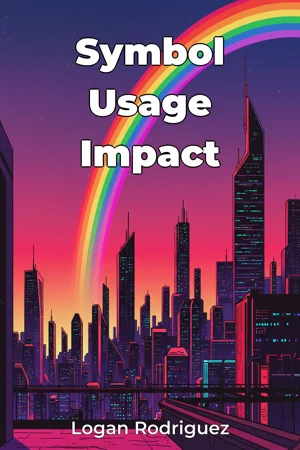
How do colors leap off the page, icons embed themselves in our minds, and clothing choices communicate volumes, especially when representing identities on the margins? "Symbol Usage Impact" delves into the dynamic and often subtle ways in which color, iconography, and attire have served as powerful tools for representing LGBTQ identities within the visual language of comic panels and covers. This book explores not merely the presence of these symbols but their evolution, their impact on audience perception, and their contribution to the broader narrative of LGBTQ representation in popular culture. The core argument of "Symbol Usage Impact" centers on the idea that the visual representation of LGBTQ identities in comics—through specific color palettes, recurring icons, and meaningful clothing choices—constitutes a crucial form of cultural expression and resistance. These visual cues, often deployed with intentionality, possess the power to subvert stereotypes, foster community, and articulate complex identities that may be otherwise marginalized or silenced. Understanding these symbols is essential to appreciating the nuanced ways in which LGBTQ individuals have carved out space for themselves in visual media. This book offers a comprehensive examination of the history, evolution, and significance of color, iconography, and attire in shaping the visual representation of LGBTQ identities in comics. The study begins with an introduction to the theoretical frameworks underpinning visual communication and identity theory, providing readers with the necessary tools to analyze the complex relationship between symbols and meaning. Following this groundwork, the book progresses through distinct sections dedicated to each element: color, iconography, and attire. The section on color examines the symbolic weight of various hues, such as the rainbow flag's vibrant spectrum and the more subtle use of specific color palettes to evoke emotions, signal allegiances, or challenge heteronormative aesthetics. Iconography explores recurring images and motifs—from Greek mythology references to coded visual puns—that have become shorthand for identifying LGBTQ characters and themes. Lastly, the section on attire delves into how clothing choices, hairstyles, and accessories serve as potent markers of identity, allowing characters to express their gender identity, sexual orientation, and subcultural affiliations. "Symbol Usage Impact" draws on a diverse range of sources, including detailed analyses of specific comic panels and covers, interviews with comic creators and artists, and critical literature on LGBTQ representation in media. Quantitative data, such as frequency analysis of color usage in LGBTQ-themed comics, complements the qualitative analyses, providing a robust evidentiary base for the book's arguments. This book relates to the fields of art history, gender studies, and communication. This work adopts an interdisciplinary approach, drawing connections between art history, queer theory, and media studies to provide a nuanced understanding of the visual language of LGBTQ representation. The book acknowledges the limitations inherent in any study of visual culture, recognizing that symbols are often polysemous and subject to varying interpretations depending on cultural context and individual perspectives. "Symbol Usage Impact" employs a rigorous yet accessible tone, appealing to both academic researchers and general readers seeking to deepen their understanding of LGBTQ representation in comics. This book is particularly relevant for students and scholars in art history, gender studies, and comic studies, as well as LGBTQ individuals and allies interested in exploring the visual culture surrounding their identities. It offers real-world applications by encouraging critical thinking about the visual messages we encounter daily and fostering a deeper appreciation for the power of art to shape social attitudes and promote inclusion. In doing so, it acknowledges ongoing debates around representation and the need for continued dialogue on how to depict marginalized identities with sensitivity and authenticity.
How do colors leap off the page, icons embed themselves in our minds, and clothing choices communicate volumes, especially when representing identities on the margins? "Symbol Usage Impact" delves into the dynamic and often subtle ways in which color, iconography, and attire have served as powerful tools for representing LGBTQ identities within the visual language of comic panels and covers. This book explores not merely the presence of these symbols but their evolution, their impact on audience perception, and their contribution to the broader narrative of LGBTQ representation in popular culture. The core argument of "Symbol Usage Impact" centers on the idea that the visual representation of LGBTQ identities in comics—through specific color palettes, recurring icons, and meaningful clothing choices—constitutes a crucial form of cultural expression and resistance. These visual cues, often deployed with intentionality, possess the power to subvert stereotypes, foster community, and articulate complex identities that may be otherwise marginalized or silenced. Understanding these symbols is essential to appreciating the nuanced ways in which LGBTQ individuals have carved out space for themselves in visual media. This book offers a comprehensive examination of the history, evolution, and significance of color, iconography, and attire in shaping the visual representation of LGBTQ identities in comics. The study begins with an introduction to the theoretical frameworks underpinning visual communication and identity theory, providing readers with the necessary tools to analyze the complex relationship between symbols and meaning. Following this groundwork, the book progresses through distinct sections dedicated to each element: color, iconography, and attire. The section on color examines the symbolic weight of various hues, such as the rainbow flag's vibrant spectrum and the more subtle use of specific color palettes to evoke emotions, signal allegiances, or challenge heteronormative aesthetics. Iconography explores recurring images and motifs—from Greek mythology references to coded visual puns—that have become shorthand for identifying LGBTQ characters and themes. Lastly, the section on attire delves into how clothing choices, hairstyles, and accessories serve as potent markers of identity, allowing characters to express their gender identity, sexual orientation, and subcultural affiliations. "Symbol Usage Impact" draws on a diverse range of sources, including detailed analyses of specific comic panels and covers, interviews with comic creators and artists, and critical literature on LGBTQ representation in media. Quantitative data, such as frequency analysis of color usage in LGBTQ-themed comics, complements the qualitative analyses, providing a robust evidentiary base for the book's arguments. This book relates to the fields of art history, gender studies, and communication. This work adopts an interdisciplinary approach, drawing connections between art history, queer theory, and media studies to provide a nuanced understanding of the visual language of LGBTQ representation. The book acknowledges the limitations inherent in any study of visual culture, recognizing that symbols are often polysemous and subject to varying interpretations depending on cultural context and individual perspectives. "Symbol Usage Impact" employs a rigorous yet accessible tone, appealing to both academic researchers and general readers seeking to deepen their understanding of LGBTQ representation in comics. This book is particularly relevant for students and scholars in art history, gender studies, and comic studies, as well as LGBTQ individuals and allies interested in exploring the visual culture surrounding their identities. It offers real-world applications by encouraging critical thinking about the visual messages we encounter daily and fostering a deeper appreciation for the power of art to shape social attitudes and promote inclusion. In doing so, it acknowledges ongoing debates around representation and the need for continued dialogue on how to depict marginalized identities with sensitivity and authenticity.
"Symbol Usage Impact" explores how visual language in comic books shapes the representation of LGBTQ identities. It examines the use of color, iconography, and attire as powerful tools for cultural expression and resistance. The book highlights how these visual elements can subvert stereotypes and foster community. For example, the strategic use of color palettes can evoke emotions or challenge traditional norms, while specific attire choices can signal gender identity and subcultural affiliations. The book progresses by first establishing theoretical frameworks, then delving into the distinct roles of color, iconography, and attire. It analyzes how recurring images and motifs can become shorthand for LGBTQ themes. By combining art history, queer theory, and media studies, "Symbol Usage Impact" offers a nuanced understanding of visual communication and marginalized identities. This approach provides valuable insights for both academic researchers and general readers interested in LGBTQ representation and comic art.
Book Details
ISBN
9788235268266
Publisher
Publifye AS
Your Licenses
You don't own any licenses for this book
Purchase a license below to unlock this book and download the EPUB.
Purchase License
Select a tier to unlock this book
Need bulk licensing?
Contact us for enterprise agreements.