
About This Book
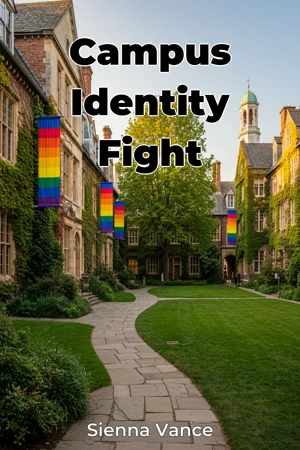
How have LGBTQ+ students shaped the modern university? *Campus Identity Fight* explores the dynamic interplay between LGBTQ+ students and university administrations, focusing on pivotal areas such as recognition, housing, safety, and curriculum reform aimed at fostering inclusivity. This book examines how these student-led initiatives have redefined campus culture and institutional policies. The book addresses two primary topics: the historical evolution of LGBTQ+ student activism on university campuses and the tangible impact of these efforts on university policies and practices. Understanding these topics is crucial because they shed light on the ongoing struggle for equality and the power of student advocacy in shaping inclusive educational environments. The narrative is grounded in the broader context of the LGBTQ+ rights movement in the United States, specifically its manifestations within academic institutions. It acknowledges the historical exclusion and marginalization of LGBTQ+ individuals in higher education and traces the emergence of organized student activism as a response. *Campus Identity Fight* argues that LGBTQ+ student activism has been instrumental in driving significant institutional changes related to recognition, housing, safety, and curriculum. This argument is important because it challenges the conventional view of universities as passive entities, highlighting the agency of students in advocating for a more equitable and inclusive campus climate. The book is structured to provide a comprehensive overview of this complex issue. It begins by introducing key concepts such as intersectionality, safe spaces, and inclusive curriculum, establishing a theoretical framework for understanding the dynamics at play. The development of ideas unfolds across several major chapters. One section examines the fight for official recognition of LGBTQ+ student organizations, detailing the legal and administrative battles fought to gain legitimacy and access to university resources. Another section focuses on housing policies, analyzing the transition from gendered dormitories to gender-inclusive housing options and the challenges encountered along the way. A third section delves into safety concerns, exploring issues such as harassment, discrimination, and the role of campus security in protecting LGBTQ+ students. Finally, the book addresses curriculum changes, examining efforts to incorporate LGBTQ+ perspectives into various academic disciplines and to create inclusive learning environments. The culmination of the argument highlights the lasting impact of student activism on university culture and policies, showcasing both the successes and the ongoing challenges. The conclusion explores the practical implications of these changes for current and future students, faculty, and administrators. The evidence presented in *Campus Identity Fight* draws from a variety of sources, including archival documents, university policy records, student newspaper articles, and oral histories from LGBTQ+ alumni. Unique data sources include interviews with key figures in student activism and analyses of university diversity reports. This book connects to other fields such as sociology, political science, and gender studies, enriching the analysis of LGBTQ+ activism within higher education. These connections enhance the book's argument by providing a more holistic understanding of the social, political, and cultural forces shaping campus identity. *Campus Identity Fight* adopts a rigorous yet accessible academic tone, aiming to inform and engage a broad audience. The book is intended for students, faculty, administrators, and anyone interested in LGBTQ+ issues, higher education, and social movements. It will be valuable to those seeking to understand the historical context of LGBTQ+ activism on college campuses and to those working to promote inclusivity in their own institutions. As an academic work, it adheres to standards of scholarly research and documentation. The scope of the book is limited to the experiences of LGBTQ+ students on university campuses in the United States, focusing primarily on the period from the late 20th century to the present. This intentional limitation allows for a deeper exploration of the specific challenges and opportunities within this context. The information in this book can be applied practically by readers seeking to create more inclusive campus environments. It provides valuable insights into the strategies and tactics used by student activists, as well as the challenges and obstacles they faced. The book addresses ongoing debates surrounding issues such as the role of safe spaces, the limits of free speech, and the appropriate balance between individual rights and institutional policies. It offers a nuanced perspective on these controversies, acknowledging the complexity of the issues and the diversity of viewpoints.
How have LGBTQ+ students shaped the modern university? *Campus Identity Fight* explores the dynamic interplay between LGBTQ+ students and university administrations, focusing on pivotal areas such as recognition, housing, safety, and curriculum reform aimed at fostering inclusivity. This book examines how these student-led initiatives have redefined campus culture and institutional policies. The book addresses two primary topics: the historical evolution of LGBTQ+ student activism on university campuses and the tangible impact of these efforts on university policies and practices. Understanding these topics is crucial because they shed light on the ongoing struggle for equality and the power of student advocacy in shaping inclusive educational environments. The narrative is grounded in the broader context of the LGBTQ+ rights movement in the United States, specifically its manifestations within academic institutions. It acknowledges the historical exclusion and marginalization of LGBTQ+ individuals in higher education and traces the emergence of organized student activism as a response. *Campus Identity Fight* argues that LGBTQ+ student activism has been instrumental in driving significant institutional changes related to recognition, housing, safety, and curriculum. This argument is important because it challenges the conventional view of universities as passive entities, highlighting the agency of students in advocating for a more equitable and inclusive campus climate. The book is structured to provide a comprehensive overview of this complex issue. It begins by introducing key concepts such as intersectionality, safe spaces, and inclusive curriculum, establishing a theoretical framework for understanding the dynamics at play. The development of ideas unfolds across several major chapters. One section examines the fight for official recognition of LGBTQ+ student organizations, detailing the legal and administrative battles fought to gain legitimacy and access to university resources. Another section focuses on housing policies, analyzing the transition from gendered dormitories to gender-inclusive housing options and the challenges encountered along the way. A third section delves into safety concerns, exploring issues such as harassment, discrimination, and the role of campus security in protecting LGBTQ+ students. Finally, the book addresses curriculum changes, examining efforts to incorporate LGBTQ+ perspectives into various academic disciplines and to create inclusive learning environments. The culmination of the argument highlights the lasting impact of student activism on university culture and policies, showcasing both the successes and the ongoing challenges. The conclusion explores the practical implications of these changes for current and future students, faculty, and administrators. The evidence presented in *Campus Identity Fight* draws from a variety of sources, including archival documents, university policy records, student newspaper articles, and oral histories from LGBTQ+ alumni. Unique data sources include interviews with key figures in student activism and analyses of university diversity reports. This book connects to other fields such as sociology, political science, and gender studies, enriching the analysis of LGBTQ+ activism within higher education. These connections enhance the book's argument by providing a more holistic understanding of the social, political, and cultural forces shaping campus identity. *Campus Identity Fight* adopts a rigorous yet accessible academic tone, aiming to inform and engage a broad audience. The book is intended for students, faculty, administrators, and anyone interested in LGBTQ+ issues, higher education, and social movements. It will be valuable to those seeking to understand the historical context of LGBTQ+ activism on college campuses and to those working to promote inclusivity in their own institutions. As an academic work, it adheres to standards of scholarly research and documentation. The scope of the book is limited to the experiences of LGBTQ+ students on university campuses in the United States, focusing primarily on the period from the late 20th century to the present. This intentional limitation allows for a deeper exploration of the specific challenges and opportunities within this context. The information in this book can be applied practically by readers seeking to create more inclusive campus environments. It provides valuable insights into the strategies and tactics used by student activists, as well as the challenges and obstacles they faced. The book addresses ongoing debates surrounding issues such as the role of safe spaces, the limits of free speech, and the appropriate balance between individual rights and institutional policies. It offers a nuanced perspective on these controversies, acknowledging the complexity of the issues and the diversity of viewpoints.
*Campus Identity Fight* examines the significant role LGBTQ+ student activism has played in shaping modern university campuses. Delving into the historical evolution of student-led movements, the book highlights their impact on pivotal areas such as achieving official recognition for LGBTQ+ student organizations and advocating for gender-inclusive housing. These efforts have not only redefined campus culture but have also prompted tangible changes in university policies and practices. The book emphasizes the agency of students in driving institutional change, challenging the notion of universities as passive entities. The book explores how student advocacy has pushed for safer campus environments and curriculum reform, incorporating LGBTQ+ perspectives into academic disciplines. Structured to provide a comprehensive overview, the book begins by establishing a theoretical framework, then progresses through key areas such as the fight for recognition, housing policy changes, safety concerns, and curriculum development. Drawing from archival documents, student newspapers, and oral histories, *Campus Identity Fight* offers valuable insights into the strategies and challenges faced by student activists. This academic work connects to fields such as sociology, political science, and gender studies, enriching the analysis of LGBTQ+ activism within higher education. It aims to inform and engage a broad audience, including students, faculty, and administrators interested in LGBTQ+ issues and social movements. Ultimately, the book demonstrates the lasting impact of student activism and its practical implications for creating more inclusive educational environments.
Book Details
ISBN
9788235268259
Publisher
Publifye AS
Your Licenses
You don't own any licenses for this book
Purchase a license below to unlock this book and download the EPUB.
Purchase License
Select a tier to unlock this book
Need bulk licensing?
Contact us for enterprise agreements.