
About This Book
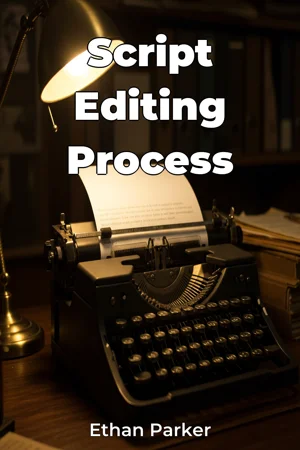
Have you ever wondered what happens to a script after the writer types "The End" but before the curtain rises or the cameras roll? This book, "Script Editing Process," delves into the crucial, often unseen, work of refining a script from initial draft to performance-ready form. We explore the art and science of script editing, focusing on three core elements: cut decisions, pacing adjustments, and textual clarification. These elements are vital because they directly impact the story's effectiveness, audience engagement, and the overall success of the production, whether it's on stage or screen. The world of performing arts and film demands meticulous attention to detail. A script, while the foundation of any production, is rarely perfect in its initial state. This book provides the necessary context, drawing from historical examples of successful and unsuccessful productions, demonstrating how script editing has shaped their fates. Familiarity with basic screenwriting or playwriting terminology is beneficial, though not essential, as key concepts are explained. The central argument of "Script Editing Process" asserts that effective script editing is not merely about correcting errors; it's a transformative process that elevates the narrative, intensifies emotional impact, and sharpens the thematic focus. This argument matters because it highlights the editor's role as a crucial collaborator, enhancing the writer's vision and ensuring the story resonates with its intended audience. This book unfolds by first introducing the fundamental principles of script editing, defining key terms, and outlining the editor’s responsibilities. It then proceeds to dissect the three core elements. Chapter 1 analyzes cut decisions, exploring how to identify and eliminate unnecessary scenes, lines, or characters that detract from the central narrative. Chapter 2 examines pacing adjustments, detailing techniques for building suspense, creating comedic timing, and ensuring the story flows effectively. Chapter 3 focuses on textual clarification, providing strategies for refining dialogue, resolving ambiguities, and ensuring the script is clear, concise, and compelling. The book culminates by demonstrating how these elements work together to transform a script and offers practical checklists and exercises for aspiring script editors. The arguments presented are supported by a range of evidence, including case studies of successful films and plays, interviews with experienced script editors, and textual analysis of scripts before and after editing. Unique data sources, such as annotated scripts from professional archives, provide a rare glimpse into the editor's process. "Script Editing Process" connects to other fields, such as literary theory (examining narrative structure and subtext), psychology (understanding audience response and emotional impact), and business management (analyzing project management and collaboration in creative industries). These connections enrich the book's argument by providing a multi-faceted perspective on the editing process. This book adopts a practical, hands-on approach, offering actionable advice and real-world examples. The writing style is accessible and engaging, making complex concepts understandable for a broad audience. The target audience includes aspiring script editors, screenwriters, playwrights, filmmakers, theater directors, and students of performing arts and film. It will particularly appeal to those seeking a comprehensive guide to the art and science of script editing. It adheres to the conventions of non-fiction within the 'Performing Arts, Film & Television' genres by providing structured information, practical examples, and insightful analysis. The book's scope is intentionally limited to the editing process itself, focusing on the specific techniques and strategies used to refine a script. It does not delve into the broader aspects of filmmaking or theater production, such as casting, directing, or marketing. The information in this book can be applied by readers to improve their own scripts, enhance their understanding of the editing process, and develop the skills necessary to pursue a career in script editing. The book also touches upon debates surrounding authorial intent versus collaborative improvement, showcasing varied perspectives on the editor-writer relationship.
Have you ever wondered what happens to a script after the writer types "The End" but before the curtain rises or the cameras roll? This book, "Script Editing Process," delves into the crucial, often unseen, work of refining a script from initial draft to performance-ready form. We explore the art and science of script editing, focusing on three core elements: cut decisions, pacing adjustments, and textual clarification. These elements are vital because they directly impact the story's effectiveness, audience engagement, and the overall success of the production, whether it's on stage or screen. The world of performing arts and film demands meticulous attention to detail. A script, while the foundation of any production, is rarely perfect in its initial state. This book provides the necessary context, drawing from historical examples of successful and unsuccessful productions, demonstrating how script editing has shaped their fates. Familiarity with basic screenwriting or playwriting terminology is beneficial, though not essential, as key concepts are explained. The central argument of "Script Editing Process" asserts that effective script editing is not merely about correcting errors; it's a transformative process that elevates the narrative, intensifies emotional impact, and sharpens the thematic focus. This argument matters because it highlights the editor's role as a crucial collaborator, enhancing the writer's vision and ensuring the story resonates with its intended audience. This book unfolds by first introducing the fundamental principles of script editing, defining key terms, and outlining the editor’s responsibilities. It then proceeds to dissect the three core elements. Chapter 1 analyzes cut decisions, exploring how to identify and eliminate unnecessary scenes, lines, or characters that detract from the central narrative. Chapter 2 examines pacing adjustments, detailing techniques for building suspense, creating comedic timing, and ensuring the story flows effectively. Chapter 3 focuses on textual clarification, providing strategies for refining dialogue, resolving ambiguities, and ensuring the script is clear, concise, and compelling. The book culminates by demonstrating how these elements work together to transform a script and offers practical checklists and exercises for aspiring script editors. The arguments presented are supported by a range of evidence, including case studies of successful films and plays, interviews with experienced script editors, and textual analysis of scripts before and after editing. Unique data sources, such as annotated scripts from professional archives, provide a rare glimpse into the editor's process. "Script Editing Process" connects to other fields, such as literary theory (examining narrative structure and subtext), psychology (understanding audience response and emotional impact), and business management (analyzing project management and collaboration in creative industries). These connections enrich the book's argument by providing a multi-faceted perspective on the editing process. This book adopts a practical, hands-on approach, offering actionable advice and real-world examples. The writing style is accessible and engaging, making complex concepts understandable for a broad audience. The target audience includes aspiring script editors, screenwriters, playwrights, filmmakers, theater directors, and students of performing arts and film. It will particularly appeal to those seeking a comprehensive guide to the art and science of script editing. It adheres to the conventions of non-fiction within the 'Performing Arts, Film & Television' genres by providing structured information, practical examples, and insightful analysis. The book's scope is intentionally limited to the editing process itself, focusing on the specific techniques and strategies used to refine a script. It does not delve into the broader aspects of filmmaking or theater production, such as casting, directing, or marketing. The information in this book can be applied by readers to improve their own scripts, enhance their understanding of the editing process, and develop the skills necessary to pursue a career in script editing. The book also touches upon debates surrounding authorial intent versus collaborative improvement, showcasing varied perspectives on the editor-writer relationship.
"Script Editing Process" explores the vital role of the script editor in transforming a raw screenplay or play script into a polished, production-ready piece. It emphasizes that effective script editing involves more than just fixing errors; it's a comprehensive process that can elevate the narrative and ensure the story deeply resonates with audiences. The book uniquely highlights the editor as a crucial collaborator, enhancing the writer's vision. Did you know that even some of the most successful films and plays have undergone extensive script editing to hone their impact? The book progresses methodically, beginning with the fundamental principles of script editing and the responsibilities of the editor. It then dissects three core elements: cut decisions, pacing adjustments, and textual clarification. For example, cutting unnecessary scenes can sharpen the focus of the narrative, while adjusting pacing can build suspense or enhance comedic timing. Through case studies, interviews, and textual analysis, the book provides a practical, hands-on approach to understanding and applying these essential editing skills. This resource provides aspiring script editors, screenwriters, playwrights, and students of performing arts with actionable advice and real-world examples. It demonstrates how careful attention to narrative structure, dialogue, and the overall editing process can significantly impact the success of any film or television project.
Book Details
ISBN
9788235268198
Publisher
Publifye AS
Your Licenses
You don't own any licenses for this book
Purchase a license below to unlock this book and download the EPUB.
Purchase License
Select a tier to unlock this book
Need bulk licensing?
Contact us for enterprise agreements.