
About This Book
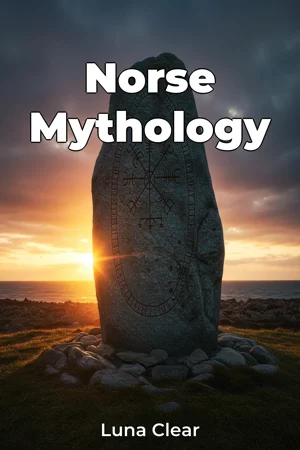
What if the stories we tell shape not only our understanding of the world but also our actions within it? "Norse Mythology" delves into the rich tapestry of beliefs held by the Norse people, exploring the profound influence of their myths on Viking culture, warfare, and societal structures. This book will explore the Norse pantheon, the sagas that detailed their interactions, and the impact of these stories on the real-world actions of Viking society. Understanding Norse mythology provides key insight into a pivotal period of European history and a belief system that continues to resonate in modern culture. The book is structured around three core themes. First, it examines the principal figures of Norse cosmology: Odin, the Allfather, god of wisdom, poetry, death, divination, and magic; Thor, the thunder god and protector of humankind; and Loki, the trickster whose cunning and deceit shaped many critical events. Understanding these archetypes is essential to grasp the Norse worldview. Second, it analyzes the sagas and eddas, the primary sources of Norse myth, to extract insights into Viking values, ethics, and social norms. Finally, the book investigates how these mythological narratives directly impacted Viking behaviors, from their seafaring explorations and raiding expeditions to their legal systems and concepts of honor. This book argues that Norse mythology was not simply a collection of entertaining stories, but a powerful ideological force that molded Viking society. The tales of gods and heroes provided a framework for understanding the world, justifying social hierarchies, and inspiring acts of both courage and brutality. The structure begins with the creation myths and follows with a chronological recounting of major events, key battles, and ultimately, Ragnarok, the twilight of the gods. The evidence presented throughout this book draws from a combination of archaeological findings, runic inscriptions, and textual analysis of the Icelandic sagas and Eddas. These sources provide details about religious practices, burial rituals, and material culture. Interpretations of these artifacts, coupled with careful readings of the primary texts, offer a multi-faceted perspective on the role of mythology in Viking life. "Norse Mythology" also intersects with several other disciplines. It connects with anthropology through the study of cultural beliefs and rituals, with history through its examination of Viking-era societies, and with literature through the analysis of narrative structures and themes within the sagas. These interdisciplinary connections enrich the analysis and provide a broader context for understanding the enduring impact of Norse mythology. This book adopts a fact-based approach, presenting Norse mythology through the lens of historical analysis and cultural interpretation. The narrative is designed to be accessible to a wide audience, ranging from students of history and mythology to general readers interested in Viking culture. The target audience includes students of history, mythology enthusiasts, and anyone interested in Viking culture. The book’s value lies in its comprehensive overview of Norse mythology, its insightful analysis of the myths’ impact on Viking society, and its accessible writing style that makes complex concepts understandable. While the book provides a broad overview of Norse mythology, it primarily focuses on the Viking Age. It acknowledges that the Norse myths evolved over time and varied geographically, but the primary focus remains on the period when Norse mythology was most actively shaping the culture of Scandinavia and its surrounding regions. The insights in "Norse Mythology" can be applied to understand contemporary themes such as the power of storytelling, the construction of cultural identity, and the relationship between belief systems and social behavior. Understanding how myths shaped the Viking Age can help us understand how similar narratives shape our own world today. The interpretation of Norse mythology is not without its debates. Scholars continue to argue about the precise meanings of certain myths, the extent of Christian influence on the sagas, and the validity of connecting mythological narratives to specific historical events. "Norse Mythology" addresses these controversies by presenting different viewpoints and offering a balanced assessment of the available evidence.
What if the stories we tell shape not only our understanding of the world but also our actions within it? "Norse Mythology" delves into the rich tapestry of beliefs held by the Norse people, exploring the profound influence of their myths on Viking culture, warfare, and societal structures. This book will explore the Norse pantheon, the sagas that detailed their interactions, and the impact of these stories on the real-world actions of Viking society. Understanding Norse mythology provides key insight into a pivotal period of European history and a belief system that continues to resonate in modern culture. The book is structured around three core themes. First, it examines the principal figures of Norse cosmology: Odin, the Allfather, god of wisdom, poetry, death, divination, and magic; Thor, the thunder god and protector of humankind; and Loki, the trickster whose cunning and deceit shaped many critical events. Understanding these archetypes is essential to grasp the Norse worldview. Second, it analyzes the sagas and eddas, the primary sources of Norse myth, to extract insights into Viking values, ethics, and social norms. Finally, the book investigates how these mythological narratives directly impacted Viking behaviors, from their seafaring explorations and raiding expeditions to their legal systems and concepts of honor. This book argues that Norse mythology was not simply a collection of entertaining stories, but a powerful ideological force that molded Viking society. The tales of gods and heroes provided a framework for understanding the world, justifying social hierarchies, and inspiring acts of both courage and brutality. The structure begins with the creation myths and follows with a chronological recounting of major events, key battles, and ultimately, Ragnarok, the twilight of the gods. The evidence presented throughout this book draws from a combination of archaeological findings, runic inscriptions, and textual analysis of the Icelandic sagas and Eddas. These sources provide details about religious practices, burial rituals, and material culture. Interpretations of these artifacts, coupled with careful readings of the primary texts, offer a multi-faceted perspective on the role of mythology in Viking life. "Norse Mythology" also intersects with several other disciplines. It connects with anthropology through the study of cultural beliefs and rituals, with history through its examination of Viking-era societies, and with literature through the analysis of narrative structures and themes within the sagas. These interdisciplinary connections enrich the analysis and provide a broader context for understanding the enduring impact of Norse mythology. This book adopts a fact-based approach, presenting Norse mythology through the lens of historical analysis and cultural interpretation. The narrative is designed to be accessible to a wide audience, ranging from students of history and mythology to general readers interested in Viking culture. The target audience includes students of history, mythology enthusiasts, and anyone interested in Viking culture. The book’s value lies in its comprehensive overview of Norse mythology, its insightful analysis of the myths’ impact on Viking society, and its accessible writing style that makes complex concepts understandable. While the book provides a broad overview of Norse mythology, it primarily focuses on the Viking Age. It acknowledges that the Norse myths evolved over time and varied geographically, but the primary focus remains on the period when Norse mythology was most actively shaping the culture of Scandinavia and its surrounding regions. The insights in "Norse Mythology" can be applied to understand contemporary themes such as the power of storytelling, the construction of cultural identity, and the relationship between belief systems and social behavior. Understanding how myths shaped the Viking Age can help us understand how similar narratives shape our own world today. The interpretation of Norse mythology is not without its debates. Scholars continue to argue about the precise meanings of certain myths, the extent of Christian influence on the sagas, and the validity of connecting mythological narratives to specific historical events. "Norse Mythology" addresses these controversies by presenting different viewpoints and offering a balanced assessment of the available evidence.
"Norse Mythology" explores the profound influence of Norse myths on Viking culture, warfare, and societal structures. Delving into the Norse pantheon, including Odin, Thor, and Loki, the book reveals how these figures and their sagas shaped Viking values and behaviors. Norse cosmology wasn't merely entertainment; it was a powerful force molding Viking society, impacting everything from seafaring explorations to legal systems. The book progresses chronologically, starting with creation myths and culminating in Ragnarok, the twilight of the gods. Archaeological findings, runic inscriptions, and textual analysis of the Eddas and sagas are used to provide insights into religious practices and Viking life. You'll discover that Norse mythology provided a framework for understanding the world, justifying social hierarchies, and inspiring both courage and brutality. This book provides a comprehensive overview of Norse Mythology and its impact on the Viking Age. It adopts a fact-based approach, presenting the material through historical analysis and cultural interpretation, making complex concepts accessible to a broad audience interested in History World, World History, and Religion.
Book Details
ISBN
9788235267733
Publisher
Publifye AS
Your Licenses
You don't own any licenses for this book
Purchase a license below to unlock this book and download the EPUB.
Purchase License
Select a tier to unlock this book
Need bulk licensing?
Contact us for enterprise agreements.