
About This Book
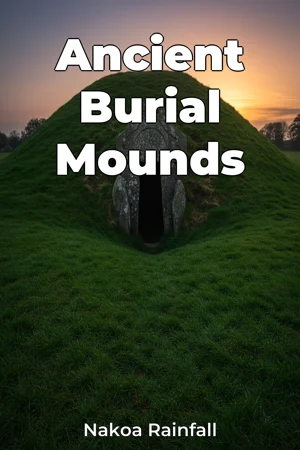
What secrets lie beneath the earth, silently guarding the stories of civilizations long past? "Ancient Burial Mounds" delves into these enigmatic structures, revealing the purpose, architecture, and artifacts found within these sacred sites. This book explores the vital role burial mounds played in the social, spiritual, and historical landscape of indigenous cultures worldwide. Their existence provides crucial insights into ancestral customs and beliefs. We will examine the architectural features of burial mounds, from their basic construction techniques to the sophisticated engineering employed in more elaborate structures. This exploration is essential for understanding the intentionality and cultural significance embedded in each mound. The analysis extends to the diverse range of artifacts discovered within these sites, offering tangible connections to the people who built and used them. Understanding the historical context of burial mounds requires a multidisciplinary approach, drawing upon archaeology, anthropology, and historical accounts. We discuss how mound building practices evolved over time, reflecting shifts in social organization, religious beliefs, and interactions with other cultures. This book argues that burial mounds serve as tangible archives of indigenous history; they provide invaluable data regarding population movements, trade networks, and mortuary practices that cannot be obtained from written records alone. "Ancient Burial Mounds" is structured to guide the reader through a comprehensive exploration of these ancient monuments. The book begins with an introduction to the fundamental concepts of mound archaeology, including an overview of common mound types, dating methods, and ethical considerations in archaeological research. Subsequent chapters delve into specific regional examples, showcasing the diversity of mound building traditions across the globe. We explore the mounds of North America, focusing on the Adena, Hopewell, and Mississippian cultures, examining their unique architectural styles and burial rituals. We also investigate burial mounds found in other parts of the world, such as Europe and Asia, highlighting similarities and differences in construction techniques and cultural significance. The culmination of the book addresses the ongoing debates surrounding the interpretation of burial mounds, including issues of cultural heritage, repatriation, and the role of indigenous communities in archaeological research. The evidence presented in this book is based on a combination of archaeological excavation reports, scientific analyses of artifacts, and ethnographic studies of indigenous cultures. We draw upon a wide range of data sources, including radiocarbon dating, DNA analysis, and comparative studies of material culture. This book also explores the interdisciplinary connections between archaeology and fields such as art history, anthropology, and environmental science. By examining the artistic motifs found on artifacts from burial mounds, we gain insights into the symbolic meaning and spiritual beliefs of ancient cultures. Anthropological studies provide valuable context for understanding the social organization and ritual practices associated with mound building. Environmental science offers insights into the ecological factors that influenced the location and construction of burial mounds. "Ancient Burial Mounds" offers a novel perspective by integrating archaeological data with indigenous oral histories and traditional knowledge. This approach allows for a more nuanced and culturally sensitive interpretation of burial mounds, recognizing the importance of indigenous perspectives in understanding their own heritage. The tone of this book is academic yet accessible, aiming to engage both scholars and general readers with an interest in archaeology, history, and indigenous cultures. The intended audience includes students, researchers, and anyone seeking a deeper understanding of the ancient world. This book adheres to the conventions of non-fiction historical and architectural analysis, providing clear and concise explanations of complex concepts. The scope of this book is intentionally broad, covering a wide range of burial mound traditions across the globe. However, it acknowledges that each region has its own unique history and cultural context, and that a comprehensive analysis of every burial mound site is beyond the scope of a single volume. The information presented in "Ancient Burial Mounds" has practical applications for cultural heritage management, historical preservation, and tourism development. By understanding the significance of burial mounds, we can better protect these important cultural resources and promote responsible tourism that respects the heritage of indigenous communities. This book also addresses several ongoing debates in the field of archaeology, including the ethics of excavation, the repatriation of artifacts, and the role of indigenous communities in archaeological research. By presenting diverse perspectives and encouraging critical thinking, this book aims to contribute to a more informed and inclusive understanding of the past.
What secrets lie beneath the earth, silently guarding the stories of civilizations long past? "Ancient Burial Mounds" delves into these enigmatic structures, revealing the purpose, architecture, and artifacts found within these sacred sites. This book explores the vital role burial mounds played in the social, spiritual, and historical landscape of indigenous cultures worldwide. Their existence provides crucial insights into ancestral customs and beliefs. We will examine the architectural features of burial mounds, from their basic construction techniques to the sophisticated engineering employed in more elaborate structures. This exploration is essential for understanding the intentionality and cultural significance embedded in each mound. The analysis extends to the diverse range of artifacts discovered within these sites, offering tangible connections to the people who built and used them. Understanding the historical context of burial mounds requires a multidisciplinary approach, drawing upon archaeology, anthropology, and historical accounts. We discuss how mound building practices evolved over time, reflecting shifts in social organization, religious beliefs, and interactions with other cultures. This book argues that burial mounds serve as tangible archives of indigenous history; they provide invaluable data regarding population movements, trade networks, and mortuary practices that cannot be obtained from written records alone. "Ancient Burial Mounds" is structured to guide the reader through a comprehensive exploration of these ancient monuments. The book begins with an introduction to the fundamental concepts of mound archaeology, including an overview of common mound types, dating methods, and ethical considerations in archaeological research. Subsequent chapters delve into specific regional examples, showcasing the diversity of mound building traditions across the globe. We explore the mounds of North America, focusing on the Adena, Hopewell, and Mississippian cultures, examining their unique architectural styles and burial rituals. We also investigate burial mounds found in other parts of the world, such as Europe and Asia, highlighting similarities and differences in construction techniques and cultural significance. The culmination of the book addresses the ongoing debates surrounding the interpretation of burial mounds, including issues of cultural heritage, repatriation, and the role of indigenous communities in archaeological research. The evidence presented in this book is based on a combination of archaeological excavation reports, scientific analyses of artifacts, and ethnographic studies of indigenous cultures. We draw upon a wide range of data sources, including radiocarbon dating, DNA analysis, and comparative studies of material culture. This book also explores the interdisciplinary connections between archaeology and fields such as art history, anthropology, and environmental science. By examining the artistic motifs found on artifacts from burial mounds, we gain insights into the symbolic meaning and spiritual beliefs of ancient cultures. Anthropological studies provide valuable context for understanding the social organization and ritual practices associated with mound building. Environmental science offers insights into the ecological factors that influenced the location and construction of burial mounds. "Ancient Burial Mounds" offers a novel perspective by integrating archaeological data with indigenous oral histories and traditional knowledge. This approach allows for a more nuanced and culturally sensitive interpretation of burial mounds, recognizing the importance of indigenous perspectives in understanding their own heritage. The tone of this book is academic yet accessible, aiming to engage both scholars and general readers with an interest in archaeology, history, and indigenous cultures. The intended audience includes students, researchers, and anyone seeking a deeper understanding of the ancient world. This book adheres to the conventions of non-fiction historical and architectural analysis, providing clear and concise explanations of complex concepts. The scope of this book is intentionally broad, covering a wide range of burial mound traditions across the globe. However, it acknowledges that each region has its own unique history and cultural context, and that a comprehensive analysis of every burial mound site is beyond the scope of a single volume. The information presented in "Ancient Burial Mounds" has practical applications for cultural heritage management, historical preservation, and tourism development. By understanding the significance of burial mounds, we can better protect these important cultural resources and promote responsible tourism that respects the heritage of indigenous communities. This book also addresses several ongoing debates in the field of archaeology, including the ethics of excavation, the repatriation of artifacts, and the role of indigenous communities in archaeological research. By presenting diverse perspectives and encouraging critical thinking, this book aims to contribute to a more informed and inclusive understanding of the past.
"Ancient Burial Mounds" explores the purpose, architecture, and artifacts of these ancient monuments, revealing insights into the social, spiritual, and historical landscapes of indigenous cultures worldwide. These structures, often overlooked, provide crucial, tangible connections to ancestral customs and beliefs. The book examines how mound building practices evolved, reflecting shifts in social organization, religious beliefs, and cultural interactions. Did you know that some mounds reveal sophisticated engineering techniques used by ancient civilizations? Or that artifact analysis provides insights into trade networks and mortuary practices? This exploration of mound archaeology guides readers through fundamental concepts, then delves into specific regional examples across North America, Europe, and Asia. The book integrates archaeological excavation reports and scientific analyses of artifacts with ethnographic studies, offering a comprehensive understanding. It addresses ongoing debates surrounding interpretation, cultural heritage, and the role of indigenous communities in archaeological research, offering a novel perspective.
Book Details
ISBN
9788235267672
Publisher
Publifye AS
Your Licenses
You don't own any licenses for this book
Purchase a license below to unlock this book and download the EPUB.
Purchase License
Select a tier to unlock this book
Need bulk licensing?
Contact us for enterprise agreements.