
About This Book
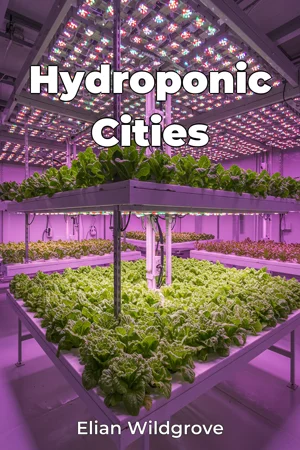
Can our cities feed us? “Hydroponic Cities” explores the transformative potential of integrating advanced agricultural technologies into the urban landscape, specifically focusing on hydroponics, to address growing concerns about food security, environmental sustainability, and urban resilience. This book will delve into how skyscrapers and other urban spaces can be repurposed as thriving food production hubs, offering solutions to the challenges of feeding a rapidly growing global population in an era of climate change. The central argument of "Hydroponic Cities" is that the widespread adoption of hydroponic systems within urban environments can significantly enhance local food production, reduce reliance on traditional agriculture, and create more sustainable and resilient communities. The importance of this argument lies in its potential to reshape our understanding of urban planning, food systems, and environmental responsibility. It provides a framework for rethinking the role of cities in ensuring future food security and promoting ecological balance. This book will begin by providing a comprehensive overview of hydroponics, detailing its history, principles, and various techniques. This foundational knowledge will equip readers with the necessary understanding of the science behind soilless cultivation. We will then transition into an examination of the social and environmental impacts of traditional agriculture, highlighting issues such as deforestation, water depletion, and pesticide use. By contrasting these impacts with the potential benefits of hydroponics, the book establishes a clear rationale for exploring urban-based food production systems. The core of "Hydroponic Cities" is structured around three major themes: technological innovation, urban integration, and socio-economic implications. The first section explores the latest advancements in hydroponic technology, including vertical farming, automated systems, and LED lighting. The second examines the practical aspects of integrating hydroponic farms into urban environments, showcasing real-world examples of successful projects and addressing the challenges of retrofitting existing buildings or designing new structures specifically for food production. The third investigates the socio-economic impacts of urban hydroponics, including job creation, community engagement, and access to fresh, healthy food for urban residents. Finally, the book will culminate in a discussion of the policy changes and investments needed to support the widespread adoption of hydroponic cities. The evidence presented in "Hydroponic Cities" will be drawn from diverse sources, including scientific research, case studies of existing urban farms, and interviews with experts in the fields of agriculture, urban planning, and technology. The book utilizes quantitative data on crop yields, energy consumption, and water usage to demonstrate the efficiency and sustainability of hydroponic systems. "Hydroponic Cities" connects to the fields of environmental science, urban planning, and economics. The book’s exploration of sustainable agricultural practices aligns with environmental science research on reducing the ecological footprint of food production. Its examination of urban integration connects to urban planning by considering how hydroponic farms can be integrated into existing and future city designs. The analysis of socio-economic impacts relates to economics by assessing the economic benefits of local food production, job creation, and reduced healthcare costs associated with improved access to fresh produce. This book takes a proactive approach by not only highlighting the challenges of current food systems but also presenting practical solutions and a roadmap for creating more sustainable and resilient urban communities. The intended audience includes students, researchers, policymakers, urban planners, and anyone interested in sustainable agriculture and urban development. This book will be valuable to these readers because it provides a comprehensive overview of the potential of hydroponic cities to address pressing environmental and social challenges. As a non-fiction work in the environment and technology genres, "Hydroponic Cities” presents factual information, supported by research and evidence. The scope of this book focuses on the integration of hydroponic systems within urban environments, with a deliberate limitation on discussing other forms of urban agriculture, such as rooftop gardens or community plots. Readers will be able to apply the information presented in this book to advocate for policy changes, invest in urban farming initiatives, or even start their own small-scale hydroponic systems at home. The book will also address the ongoing debates surrounding the energy consumption and initial investment costs of hydroponic systems, presenting a balanced perspective on their challenges and opportunities.
Can our cities feed us? “Hydroponic Cities” explores the transformative potential of integrating advanced agricultural technologies into the urban landscape, specifically focusing on hydroponics, to address growing concerns about food security, environmental sustainability, and urban resilience. This book will delve into how skyscrapers and other urban spaces can be repurposed as thriving food production hubs, offering solutions to the challenges of feeding a rapidly growing global population in an era of climate change. The central argument of "Hydroponic Cities" is that the widespread adoption of hydroponic systems within urban environments can significantly enhance local food production, reduce reliance on traditional agriculture, and create more sustainable and resilient communities. The importance of this argument lies in its potential to reshape our understanding of urban planning, food systems, and environmental responsibility. It provides a framework for rethinking the role of cities in ensuring future food security and promoting ecological balance. This book will begin by providing a comprehensive overview of hydroponics, detailing its history, principles, and various techniques. This foundational knowledge will equip readers with the necessary understanding of the science behind soilless cultivation. We will then transition into an examination of the social and environmental impacts of traditional agriculture, highlighting issues such as deforestation, water depletion, and pesticide use. By contrasting these impacts with the potential benefits of hydroponics, the book establishes a clear rationale for exploring urban-based food production systems. The core of "Hydroponic Cities" is structured around three major themes: technological innovation, urban integration, and socio-economic implications. The first section explores the latest advancements in hydroponic technology, including vertical farming, automated systems, and LED lighting. The second examines the practical aspects of integrating hydroponic farms into urban environments, showcasing real-world examples of successful projects and addressing the challenges of retrofitting existing buildings or designing new structures specifically for food production. The third investigates the socio-economic impacts of urban hydroponics, including job creation, community engagement, and access to fresh, healthy food for urban residents. Finally, the book will culminate in a discussion of the policy changes and investments needed to support the widespread adoption of hydroponic cities. The evidence presented in "Hydroponic Cities" will be drawn from diverse sources, including scientific research, case studies of existing urban farms, and interviews with experts in the fields of agriculture, urban planning, and technology. The book utilizes quantitative data on crop yields, energy consumption, and water usage to demonstrate the efficiency and sustainability of hydroponic systems. "Hydroponic Cities" connects to the fields of environmental science, urban planning, and economics. The book’s exploration of sustainable agricultural practices aligns with environmental science research on reducing the ecological footprint of food production. Its examination of urban integration connects to urban planning by considering how hydroponic farms can be integrated into existing and future city designs. The analysis of socio-economic impacts relates to economics by assessing the economic benefits of local food production, job creation, and reduced healthcare costs associated with improved access to fresh produce. This book takes a proactive approach by not only highlighting the challenges of current food systems but also presenting practical solutions and a roadmap for creating more sustainable and resilient urban communities. The intended audience includes students, researchers, policymakers, urban planners, and anyone interested in sustainable agriculture and urban development. This book will be valuable to these readers because it provides a comprehensive overview of the potential of hydroponic cities to address pressing environmental and social challenges. As a non-fiction work in the environment and technology genres, "Hydroponic Cities” presents factual information, supported by research and evidence. The scope of this book focuses on the integration of hydroponic systems within urban environments, with a deliberate limitation on discussing other forms of urban agriculture, such as rooftop gardens or community plots. Readers will be able to apply the information presented in this book to advocate for policy changes, invest in urban farming initiatives, or even start their own small-scale hydroponic systems at home. The book will also address the ongoing debates surrounding the energy consumption and initial investment costs of hydroponic systems, presenting a balanced perspective on their challenges and opportunities.
"Hydroponic Cities" explores the revolutionary concept of integrating hydroponics into urban environments to combat food insecurity and promote environmental sustainability. The book delves into how urban spaces can be transformed into thriving food production hubs, offering a solution to feeding a growing population amidst climate change. One intriguing fact highlighted is the potential for vertical farms to significantly increase crop yields compared to traditional agriculture, while using considerably less water. The book systematically examines technological innovations like automated systems and LED lighting, the practical aspects of integrating hydroponic farms into urban settings, and the socio-economic impacts, including job creation and improved access to healthy food. Drawing evidence from scientific research, case studies, and expert interviews, "Hydroponic Cities" presents a roadmap for creating more resilient urban communities. It progresses from foundational knowledge of hydroponics to the socio-economic and policy changes needed for widespread adoption, making it valuable for anyone interested in sustainable agriculture and urban development.
Book Details
ISBN
9788235267245
Publisher
Publifye AS
Your Licenses
You don't own any licenses for this book
Purchase a license below to unlock this book and download the EPUB.
Purchase License
Select a tier to unlock this book
Need bulk licensing?
Contact us for enterprise agreements.