
About This Book
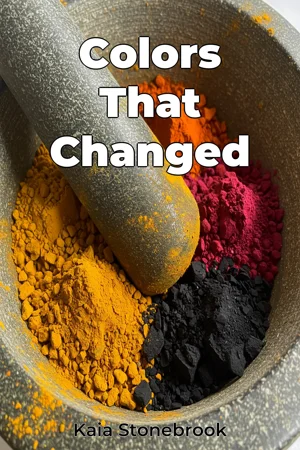
Have you ever considered that the colors we take for granted have profoundly shaped human civilization? "Colors That Changed" explores the fascinating story of color, tracing its evolution from the natural pigments discovered in prehistoric caves to the synthetic dyes that revolutionized industries and transformed our visual world. This book delves into the science, history, and cultural significance of color, revealing how specific hues have influenced art, fashion, politics, and even scientific advancements. We examine three central themes: the origins and use of natural dyes, the scientific breakthroughs that led to synthetic pigments, and the societal impact of these colorful innovations. Understanding these topics is crucial because color is not merely a visual phenomenon; it's a powerful force that has consistently shaped human expression, technological progress, and economic landscapes. This journey begins in the ancient world, with early humans using ochre, charcoal, and plant-based dyes to create art and adorn their bodies. We explore the laborious processes involved in extracting and applying these natural colors, highlighting their limited availability and the cultural significance attached to specific hues. The book then transitions into the scientific revolution, detailing the accidental and deliberate discoveries that yielded synthetic pigments, like mauveine, the first aniline dye. Significant historical context is provided, including the rise of the textile industry and the increasing demand for vibrant, affordable colors. Prerequisite knowledge of basic chemistry and art history can enhance the reader's appreciation but is not required. The central argument of "Colors That Changed" is that the pursuit and production of color has been a driving force behind scientific innovation and cultural transformation. This argument is significant because it challenges the perception of color as a purely aesthetic element, revealing its profound influence on human progress and societal structures. The book unfolds in a structured manner. First, we introduce the fundamental concepts of color theory and the historical use of natural pigments. The narrative then expands into several key areas: the chemical composition of pigments and dyes, the historical context of their discovery and production, and the societal impact of color availability, including its role in fashion, art, and industrial development. The culmination of the argument demonstrates how color, from its earliest natural forms to its modern synthetic iterations, has been a catalyst for change. Practical implications are considered, such as understanding the environmental impact of dye production and the preservation of historical textiles. The evidence presented relies on a diverse range of sources, including archaeological findings, scientific articles, historical documents, and artistic analyses. Unique data sources, such as early dye recipes and industrial records, provide firsthand insights into the processes and impact of color production. Interdisciplinary connections are explored by linking color to chemistry, art history, and economics. Chemistry explains the composition of pigments and dyes. Art history shows how colors influenced aesthetic styles. Economics reveals the impact of color production on trade and industry. A unique aspect of this book is its dual focus on the scientific and cultural dimensions of color. It integrates scientific explanations with historical narratives, providing a comprehensive understanding of how color has evolved and influenced human society. The tone is informative and engaging, aiming to balance scientific accuracy with accessibility for a broad audience. The target audience includes students, art enthusiasts, history buffs, and anyone interested in the intersection of science and culture. The book is valuable as it provides a comprehensive yet accessible exploration of a topic that is often overlooked, revealing the profound impact of color on human civilization. As a work of non-fiction, "Colors That Changed" adheres to the genre conventions of accuracy, objectivity, and thorough research. The scope of the book is broad, covering the history of color from ancient times to the present, but it intentionally limits its focus to the scientific and cultural aspects of color production and usage, excluding, for example, psychological effects of colors. Readers can practically apply the information in this book to understand the materials used in art and design, evaluate the environmental impact of different dyes, and appreciate the cultural significance of color choices. One ongoing debate in the field is the environmental impact of synthetic dye production. The book addresses this controversy by examining the historical and current practices of dye production and exploring sustainable alternatives.
Have you ever considered that the colors we take for granted have profoundly shaped human civilization? "Colors That Changed" explores the fascinating story of color, tracing its evolution from the natural pigments discovered in prehistoric caves to the synthetic dyes that revolutionized industries and transformed our visual world. This book delves into the science, history, and cultural significance of color, revealing how specific hues have influenced art, fashion, politics, and even scientific advancements. We examine three central themes: the origins and use of natural dyes, the scientific breakthroughs that led to synthetic pigments, and the societal impact of these colorful innovations. Understanding these topics is crucial because color is not merely a visual phenomenon; it's a powerful force that has consistently shaped human expression, technological progress, and economic landscapes. This journey begins in the ancient world, with early humans using ochre, charcoal, and plant-based dyes to create art and adorn their bodies. We explore the laborious processes involved in extracting and applying these natural colors, highlighting their limited availability and the cultural significance attached to specific hues. The book then transitions into the scientific revolution, detailing the accidental and deliberate discoveries that yielded synthetic pigments, like mauveine, the first aniline dye. Significant historical context is provided, including the rise of the textile industry and the increasing demand for vibrant, affordable colors. Prerequisite knowledge of basic chemistry and art history can enhance the reader's appreciation but is not required. The central argument of "Colors That Changed" is that the pursuit and production of color has been a driving force behind scientific innovation and cultural transformation. This argument is significant because it challenges the perception of color as a purely aesthetic element, revealing its profound influence on human progress and societal structures. The book unfolds in a structured manner. First, we introduce the fundamental concepts of color theory and the historical use of natural pigments. The narrative then expands into several key areas: the chemical composition of pigments and dyes, the historical context of their discovery and production, and the societal impact of color availability, including its role in fashion, art, and industrial development. The culmination of the argument demonstrates how color, from its earliest natural forms to its modern synthetic iterations, has been a catalyst for change. Practical implications are considered, such as understanding the environmental impact of dye production and the preservation of historical textiles. The evidence presented relies on a diverse range of sources, including archaeological findings, scientific articles, historical documents, and artistic analyses. Unique data sources, such as early dye recipes and industrial records, provide firsthand insights into the processes and impact of color production. Interdisciplinary connections are explored by linking color to chemistry, art history, and economics. Chemistry explains the composition of pigments and dyes. Art history shows how colors influenced aesthetic styles. Economics reveals the impact of color production on trade and industry. A unique aspect of this book is its dual focus on the scientific and cultural dimensions of color. It integrates scientific explanations with historical narratives, providing a comprehensive understanding of how color has evolved and influenced human society. The tone is informative and engaging, aiming to balance scientific accuracy with accessibility for a broad audience. The target audience includes students, art enthusiasts, history buffs, and anyone interested in the intersection of science and culture. The book is valuable as it provides a comprehensive yet accessible exploration of a topic that is often overlooked, revealing the profound impact of color on human civilization. As a work of non-fiction, "Colors That Changed" adheres to the genre conventions of accuracy, objectivity, and thorough research. The scope of the book is broad, covering the history of color from ancient times to the present, but it intentionally limits its focus to the scientific and cultural aspects of color production and usage, excluding, for example, psychological effects of colors. Readers can practically apply the information in this book to understand the materials used in art and design, evaluate the environmental impact of different dyes, and appreciate the cultural significance of color choices. One ongoing debate in the field is the environmental impact of synthetic dye production. The book addresses this controversy by examining the historical and current practices of dye production and exploring sustainable alternatives.
"Colors That Changed" explores the compelling history of color, revealing its profound impact on science, culture, and technology. From ancient natural dyes derived from plants and minerals to the revolutionary creation of synthetic pigments, the book traces how color has shaped human expression and industrial advancement. Imagine, for instance, how limited the art world was before vibrant, stable pigments were readily available, or how the accidental discovery of mauveine transformed the textile industry, highlighting the significance of scientific innovation in our visual world. The book progresses chronologically, beginning with early uses of color in prehistoric art and rituals, then moves into the scientific breakthroughs that led to synthetic dyes. It emphasizes the cultural significance of specific colors, examining their influence on art, fashion, and even politics. This unique approach, blending science and history, reveals how the pursuit and production of color have been driving forces behind both scientific innovation and cultural transformation.
Book Details
ISBN
9788235267078
Publisher
Publifye AS
Your Licenses
You don't own any licenses for this book
Purchase a license below to unlock this book and download the EPUB.
Purchase License
Select a tier to unlock this book
Need bulk licensing?
Contact us for enterprise agreements.