
About This Book
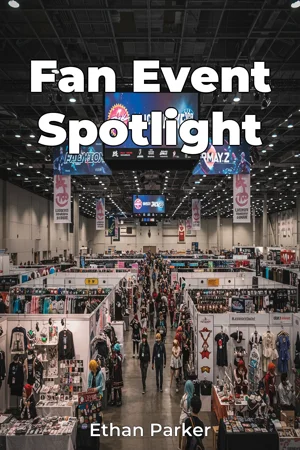
How have major comic conventions and fandom events become crucial spaces for LGBTQ+ visibility and influence? "Fan Event Spotlight" examines the increasing presence and impact of LGBTQ+ creators and panels within global fan culture, addressing a significant shift in the landscape of media consumption and production. This book delves into the ways in which these events serve not only as platforms for showcasing LGBTQ+ talent but also as vital communities for connection, activism, and cultural change. The book’s core lies in three key areas: representation, community, and impact. First, it analyzes how LGBTQ+ representation has evolved within fan event programming, focusing on the types of stories being told, the creators behind them, and the audience reception. Second, it investigates the sense of community fostered by these gatherings, exploring how shared passions and identities intersect to create supportive and empowering environments. Third, it assesses the broader impact of this increased visibility on the entertainment industry and society at large, considering its effects on media narratives and cultural acceptance. Understanding this phenomenon requires acknowledging the historical marginalization of LGBTQ+ individuals within mainstream media and the subsequent development of alternative spaces where these stories could be told and celebrated. The book provides context on the rise of fandom as a participatory culture, where fans actively shape narratives and create their own content, often filling gaps left by traditional media outlets. The central argument is that fan events have become pivotal sites for the advancement of LGBTQ+ equality and visibility, offering a space where queer voices can be amplified and celebrated in ways that are often lacking in mainstream culture. This argument is crucial because it highlights the power of grassroots movements and fan communities in driving social change and influencing the entertainment industry. "Fan Event Spotlight" unfolds in a structured manner. It begins by introducing the key concepts of representation, community, and impact, setting the stage for a detailed exploration of their manifestations within fan events. Major sections will then address the evolution of LGBTQ+ representation in comics, film, and television panels; the formation and dynamics of LGBTQ+ fan communities; and the broader cultural and industry-related implications of this increased visibility. The book culminates by discussing the practical implications of these trends, offering insights for event organizers, creators, and fans who wish to further promote inclusivity and diversity. This book draws upon a range of evidence, including interviews with LGBTQ+ creators and fans, analyses of panel content and attendance data from major conventions, and surveys assessing the impact of these events on participants' sense of identity and belonging. It also utilizes publicly available data on media representation and industry trends to provide a comprehensive picture of the current landscape. Interdisciplinary connections are key to understanding the multifaceted nature of this topic. The book intersects with media studies by examining how LGBTQ+ representation is negotiated and consumed within fan communities. It connects with sociology by exploring the formation of social identities and the dynamics of community building within fandom. Furthermore, it relates to film and television studies by analyzing how LGBTQ+ narratives are evolving and being received by audiences. "Fan Event Spotlight" offers a unique perspective by focusing specifically on the role of fan events as agents of change, rather than simply examining media representation in isolation. This approach allows for a nuanced understanding of how fans themselves are actively shaping the narratives and communities that reflect their experiences. The tone is professional and informative, balancing academic rigor with accessible language to engage a broad audience. The writing style is clear and concise, prioritizing factual accuracy and insightful analysis. The target audience includes scholars and students in media studies, film and television studies, sociology, and LGBTQ+ studies, as well as industry professionals involved in event planning and media production. It will also appeal to avid fans interested in understanding the evolving dynamics of fan culture and the role of LGBTQ+ representation within it. As a work of non-fiction, "Fan Event Spotlight" adheres to principles of accuracy, objectivity, and evidence-based argumentation. The book’s scope is broad, encompassing major comic conventions and fandom events across the globe, but it is intentionally limited to examining the experiences of LGBTQ+ individuals and communities. The insights presented in this book can be applied in various practical ways, such as informing event organizers on how to create more inclusive and welcoming environments, providing creators with a better understanding of their audience, and empowering fans to advocate for greater representation and diversity within the media they consume. The book acknowledges and addresses ongoing debates regarding the authenticity of representation and the commercialization of LGBTQ+ identities within mainstream media, offering a nuanced perspective on these complex issues.
How have major comic conventions and fandom events become crucial spaces for LGBTQ+ visibility and influence? "Fan Event Spotlight" examines the increasing presence and impact of LGBTQ+ creators and panels within global fan culture, addressing a significant shift in the landscape of media consumption and production. This book delves into the ways in which these events serve not only as platforms for showcasing LGBTQ+ talent but also as vital communities for connection, activism, and cultural change. The book’s core lies in three key areas: representation, community, and impact. First, it analyzes how LGBTQ+ representation has evolved within fan event programming, focusing on the types of stories being told, the creators behind them, and the audience reception. Second, it investigates the sense of community fostered by these gatherings, exploring how shared passions and identities intersect to create supportive and empowering environments. Third, it assesses the broader impact of this increased visibility on the entertainment industry and society at large, considering its effects on media narratives and cultural acceptance. Understanding this phenomenon requires acknowledging the historical marginalization of LGBTQ+ individuals within mainstream media and the subsequent development of alternative spaces where these stories could be told and celebrated. The book provides context on the rise of fandom as a participatory culture, where fans actively shape narratives and create their own content, often filling gaps left by traditional media outlets. The central argument is that fan events have become pivotal sites for the advancement of LGBTQ+ equality and visibility, offering a space where queer voices can be amplified and celebrated in ways that are often lacking in mainstream culture. This argument is crucial because it highlights the power of grassroots movements and fan communities in driving social change and influencing the entertainment industry. "Fan Event Spotlight" unfolds in a structured manner. It begins by introducing the key concepts of representation, community, and impact, setting the stage for a detailed exploration of their manifestations within fan events. Major sections will then address the evolution of LGBTQ+ representation in comics, film, and television panels; the formation and dynamics of LGBTQ+ fan communities; and the broader cultural and industry-related implications of this increased visibility. The book culminates by discussing the practical implications of these trends, offering insights for event organizers, creators, and fans who wish to further promote inclusivity and diversity. This book draws upon a range of evidence, including interviews with LGBTQ+ creators and fans, analyses of panel content and attendance data from major conventions, and surveys assessing the impact of these events on participants' sense of identity and belonging. It also utilizes publicly available data on media representation and industry trends to provide a comprehensive picture of the current landscape. Interdisciplinary connections are key to understanding the multifaceted nature of this topic. The book intersects with media studies by examining how LGBTQ+ representation is negotiated and consumed within fan communities. It connects with sociology by exploring the formation of social identities and the dynamics of community building within fandom. Furthermore, it relates to film and television studies by analyzing how LGBTQ+ narratives are evolving and being received by audiences. "Fan Event Spotlight" offers a unique perspective by focusing specifically on the role of fan events as agents of change, rather than simply examining media representation in isolation. This approach allows for a nuanced understanding of how fans themselves are actively shaping the narratives and communities that reflect their experiences. The tone is professional and informative, balancing academic rigor with accessible language to engage a broad audience. The writing style is clear and concise, prioritizing factual accuracy and insightful analysis. The target audience includes scholars and students in media studies, film and television studies, sociology, and LGBTQ+ studies, as well as industry professionals involved in event planning and media production. It will also appeal to avid fans interested in understanding the evolving dynamics of fan culture and the role of LGBTQ+ representation within it. As a work of non-fiction, "Fan Event Spotlight" adheres to principles of accuracy, objectivity, and evidence-based argumentation. The book’s scope is broad, encompassing major comic conventions and fandom events across the globe, but it is intentionally limited to examining the experiences of LGBTQ+ individuals and communities. The insights presented in this book can be applied in various practical ways, such as informing event organizers on how to create more inclusive and welcoming environments, providing creators with a better understanding of their audience, and empowering fans to advocate for greater representation and diversity within the media they consume. The book acknowledges and addresses ongoing debates regarding the authenticity of representation and the commercialization of LGBTQ+ identities within mainstream media, offering a nuanced perspective on these complex issues.
"Fan Event Spotlight" examines the pivotal role of fan events, like comic conventions, in fostering LGBTQ+ visibility and driving social change. These events have become crucial platforms for LGBTQ+ creators and fans, offering spaces for community building and activism. The book delves into how increased representation at these events has impacted the entertainment industry, leading to evolving media narratives and greater cultural acceptance. One intriguing aspect explored is how fan communities actively shape narratives, filling gaps left by mainstream media and creating supportive environments. The book approaches the topic by focusing on representation, community, and impact within fan events. It analyzes the evolution of LGBTQ+ representation in panels and programming, investigates the formation of LGBTQ+ fan communities, and assesses the broader cultural implications of increased visibility. "Fan Event Spotlight" progresses by first introducing key concepts, then exploring their manifestations, and finally discussing practical implications for event organizers and fans, offering insights into promoting inclusivity and diversity. It's unique in highlighting fan events as agents of change, providing a nuanced understanding of how fans shape narratives and communities.
Book Details
ISBN
9788235267016
Publisher
Publifye AS
Your Licenses
You don't own any licenses for this book
Purchase a license below to unlock this book and download the EPUB.
Purchase License
Select a tier to unlock this book
Need bulk licensing?
Contact us for enterprise agreements.