
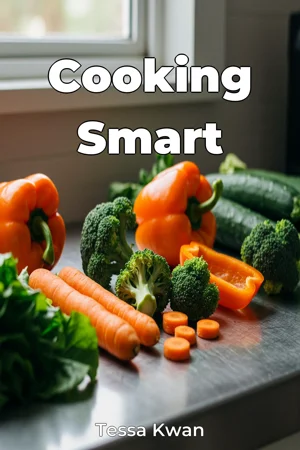
About This Book
Are you maximizing the nutritional value of your meals, or are you inadvertently diminishing it through improper cooking techniques? "Cooking Smart" is your evidence-based guide to food preparation, designed to help you retain vital nutrients, minimize the formation of harmful compounds, and ultimately create healthier, more nourishing meals. This book is grounded in a clear central argument: the method of cooking profoundly impacts the nutritional content and potential health effects of the food we consume. Understanding the science behind cooking is more crucial now than ever. Modern diets, often reliant on processed foods and quick meal preparation, can be nutritionally deficient. By understanding how different cooking techniques affect vitamins, minerals, and other beneficial compounds, you can actively take control of your health and optimize your food choices. We'll also delve into the formation of potentially harmful compounds, such as acrylamide in fried foods or heterocyclic amines in grilled meats, and offer strategies to mitigate these risks. "Cooking Smart" unfolds systematically. Beginning with an introduction to the core principles of nutrient retention and the reduction of harmful compounds, the book explores the impact of various cooking methods, examining categories like: 1. Boiling, Steaming, and Microwaving: Examining how water-based cooking methods impact nutrient levels, particularly water-soluble vitamins. 2. Frying, Roasting, and Grilling: Analyzing the effects of high-heat cooking on fat content, protein structure, and the formation of potentially carcinogenic compounds. 3. Slow Cooking and Sous Vide: Investigating the benefits and drawbacks of low-temperature, long-duration cooking methods. Each section features a detailed analysis of the chemical reactions that occur during cooking, supported by data from nutritional science and food chemistry. The book draws upon a wide range of peer-reviewed studies, meta-analyses, and reports from food safety organizations. We critically evaluate commonly held beliefs about cooking and present evidence-based recommendations for healthier food preparation. "Cooking Smart" also connects to other fields such as: 1. Nutrition Science: Providing a practical application of nutritional guidelines through informed cooking choices. 2. Food Chemistry: Explaining the underlying chemical processes that occur during cooking, allowing for a deeper understanding of how different methods affect food composition. 3. Public Health: Addressing the broader implications of cooking techniques on population health, including strategies for reducing exposure to harmful compounds. What sets "Cooking Smart" apart is its holistic approach. It's not just about what you eat, but how you prepare it. We provide practical advice you can immediately implement in your kitchen, offering modifications to your existing cooking habits. The tone is informative and accessible, suitable for anyone interested in improving their health through better cooking practices. The target audience includes health-conscious individuals, home cooks, culinary students, and healthcare professionals seeking practical dietary guidance for their patients. This book offers value by providing a clear, science-backed framework for making informed cooking decisions. The scope is intentionally limited to cooking methods and their impact on nutrient content and the formation of harmful compounds; it does not delve extensively into specific dietary plans or recipe development. The focus remains on providing a comprehensive understanding of cooking principles that can be applied to a variety of cuisines and dietary needs. Ultimately, "Cooking Smart" empowers you to make informed decisions about how you prepare your food and mitigate potential risks. The book will provide you with the knowledge and tools to cook smarter, eat healthier, and live better. Debates exist regarding the optimal cooking temperatures and durations for certain foods, this book seeks to provide clarity through an objective review of available data.
Are you maximizing the nutritional value of your meals, or are you inadvertently diminishing it through improper cooking techniques? "Cooking Smart" is your evidence-based guide to food preparation, designed to help you retain vital nutrients, minimize the formation of harmful compounds, and ultimately create healthier, more nourishing meals. This book is grounded in a clear central argument: the method of cooking profoundly impacts the nutritional content and potential health effects of the food we consume. Understanding the science behind cooking is more crucial now than ever. Modern diets, often reliant on processed foods and quick meal preparation, can be nutritionally deficient. By understanding how different cooking techniques affect vitamins, minerals, and other beneficial compounds, you can actively take control of your health and optimize your food choices. We'll also delve into the formation of potentially harmful compounds, such as acrylamide in fried foods or heterocyclic amines in grilled meats, and offer strategies to mitigate these risks. "Cooking Smart" unfolds systematically. Beginning with an introduction to the core principles of nutrient retention and the reduction of harmful compounds, the book explores the impact of various cooking methods, examining categories like: 1. Boiling, Steaming, and Microwaving: Examining how water-based cooking methods impact nutrient levels, particularly water-soluble vitamins. 2. Frying, Roasting, and Grilling: Analyzing the effects of high-heat cooking on fat content, protein structure, and the formation of potentially carcinogenic compounds. 3. Slow Cooking and Sous Vide: Investigating the benefits and drawbacks of low-temperature, long-duration cooking methods. Each section features a detailed analysis of the chemical reactions that occur during cooking, supported by data from nutritional science and food chemistry. The book draws upon a wide range of peer-reviewed studies, meta-analyses, and reports from food safety organizations. We critically evaluate commonly held beliefs about cooking and present evidence-based recommendations for healthier food preparation. "Cooking Smart" also connects to other fields such as: 1. Nutrition Science: Providing a practical application of nutritional guidelines through informed cooking choices. 2. Food Chemistry: Explaining the underlying chemical processes that occur during cooking, allowing for a deeper understanding of how different methods affect food composition. 3. Public Health: Addressing the broader implications of cooking techniques on population health, including strategies for reducing exposure to harmful compounds. What sets "Cooking Smart" apart is its holistic approach. It's not just about what you eat, but how you prepare it. We provide practical advice you can immediately implement in your kitchen, offering modifications to your existing cooking habits. The tone is informative and accessible, suitable for anyone interested in improving their health through better cooking practices. The target audience includes health-conscious individuals, home cooks, culinary students, and healthcare professionals seeking practical dietary guidance for their patients. This book offers value by providing a clear, science-backed framework for making informed cooking decisions. The scope is intentionally limited to cooking methods and their impact on nutrient content and the formation of harmful compounds; it does not delve extensively into specific dietary plans or recipe development. The focus remains on providing a comprehensive understanding of cooking principles that can be applied to a variety of cuisines and dietary needs. Ultimately, "Cooking Smart" empowers you to make informed decisions about how you prepare your food and mitigate potential risks. The book will provide you with the knowledge and tools to cook smarter, eat healthier, and live better. Debates exist regarding the optimal cooking temperatures and durations for certain foods, this book seeks to provide clarity through an objective review of available data.
"Cooking Smart" is a guide to optimizing your health through improved cooking techniques. It emphasizes the profound impact that cooking methods have on retaining nutrients and minimizing harmful compounds in food. For instance, high-heat methods like frying can lead to the formation of acrylamide, while gentler methods like steaming are better for preserving water-soluble vitamins. The book draws from nutrition science and food chemistry to offer practical, evidence-based advice. The book systematically explores various cooking methods, including boiling, steaming, frying, roasting, and slow cooking. Each section analyzes the chemical reactions that occur and provides recommendations for healthier food preparation. What sets "Cooking Smart" apart is its approach to connect nutrition science with practical advice, enabling readers to modify their cooking habits for better health and fitness. The book begins with the core principles of nutrient retention and the reduction of harmful compounds, then progresses to examining specific cooking methods. This book empowers you to make informed decisions in the kitchen, cook smarter, and eat healthier by understanding the science behind food preparation.
Book Details
ISBN
9788235266941
Publisher
Publifye AS
Your Licenses
You don't own any licenses for this book
Purchase a license below to unlock this book and download the EPUB.
Purchase License
Select a tier to unlock this book
Need bulk licensing?
Contact us for enterprise agreements.