
About This Book
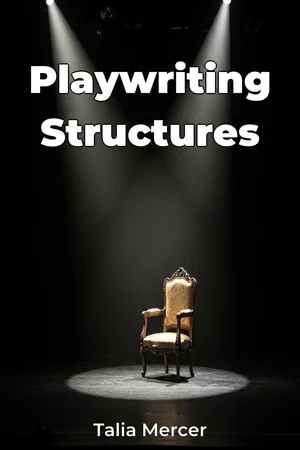
What makes a play resonate across centuries? "Playwriting Structures" delves into the fundamental building blocks of dramatic literature, exploring how playwrights from Sophocles to Suzan-Lori Parks have crafted compelling narratives through form and technique. This book examines the enduring power of established formats while also shedding light on innovative approaches that challenge conventional structures. Two central concepts explored are the three-act structure and the strategic integration of monologues. The three-act structure provides a framework for understanding plot development, character arcs, and thematic resolution. Analyzing its historical adaptations reveals its flexibility and continued relevance. Simultaneously, the book investigates how monologues function not simply as devices for exposition but as potent tools for character revelation and dramatic tension, varying significantly based on theatrical period and style. Comprehending these elements is crucial for both aspiring playwrights seeking guidance and scholars aiming to deepen their appreciation of dramatic composition. To provide a richer understanding, the book considers these elements within their historical and social contexts. A brief overview of major periods in theatre history—from ancient Greek drama to contemporary experimental theatre—is provided, with a focus on how prevailing social norms and artistic movements influenced playwriting conventions. No specific prerequisite knowledge is demanded, but familiarity with basic theatrical terminology will enhance the reading experience. The central argument is that a thorough understanding of playwriting structures is essential for both creating effective plays and analyzing existing dramatic works. By deconstructing successful plays from various eras, the book demonstrates how these structures serve as powerful tools for conveying meaning and engaging audiences. The book's structure unfolds in a logical progression. It begins by introducing core concepts such as dramatic action, conflict, and character development, laying the groundwork for understanding more complex structures. It then proceeds to a detailed examination of the three-act structure, analyzing its components and variations across different genres and historical periods. Following this, the book investigates the art of monologue writing, examining its function in different dramatic contexts. The culmination of these studies helps establish a framework for practical application and creative expansion within playwriting. Evidence is drawn from close readings of canonical plays, insightful analyses of contemporary works, and examinations of playwrights' writings on their craft. The book also incorporates perspectives from theatre history, performance theory, and dramatic criticism, highlighting the interdisciplinary nature of playwriting studies. This book's exploration of dramatic structure resonates with studies of narrative theory in literature, film studies that explore visual storytelling techniques, and communications studies that examine effective audience engagement. These connections enhance the book's central argument by illustrating the universality of effective storytelling principles across media and disciplines. "Playwriting Structures" distinguishes itself through its comprehensive approach, synthesizing theoretical frameworks with practical insights gleaned from the study of successful plays. It balances theoretical exploration with practical application, making it a valuable resource for both scholars and practitioners. Written in a clear and accessible style, the book assumes an academic tone while remaining engaging for a broad audience. Examples are used extensively to illustrate key concepts, and technical terms are explained clearly and concisely. The primary target audience includes students of playwriting, theatre studies, and creative writing, as well as emerging and established playwrights. Theatre enthusiasts interested in deepening their understanding of dramatic composition will also find this study useful. Conforming to the conventions of academic non-fiction, the book includes a detailed table of contents, an extensive bibliography, and a comprehensive index. The scope of the book is broad, encompassing a wide range of historical periods and dramatic styles, but it is intentionally limited to the analysis of playwriting structures, excluding detailed considerations of directing, acting, or design. The principles discussed can be applied by playwrights seeking to improve their craft, by theatre critics aiming to deepen their analyses of dramatic works, and by students looking to broaden their understanding of dramatic literature. While the benefits of structured playwriting are widely acknowledged, debates continue regarding the extent to which playwrights should adhere to established conventions versus experimenting with new forms. Issues surrounding authorship and adaptation of source materials are also addressed, offering a nuanced perspective on the complexities of contemporary playwriting.
What makes a play resonate across centuries? "Playwriting Structures" delves into the fundamental building blocks of dramatic literature, exploring how playwrights from Sophocles to Suzan-Lori Parks have crafted compelling narratives through form and technique. This book examines the enduring power of established formats while also shedding light on innovative approaches that challenge conventional structures. Two central concepts explored are the three-act structure and the strategic integration of monologues. The three-act structure provides a framework for understanding plot development, character arcs, and thematic resolution. Analyzing its historical adaptations reveals its flexibility and continued relevance. Simultaneously, the book investigates how monologues function not simply as devices for exposition but as potent tools for character revelation and dramatic tension, varying significantly based on theatrical period and style. Comprehending these elements is crucial for both aspiring playwrights seeking guidance and scholars aiming to deepen their appreciation of dramatic composition. To provide a richer understanding, the book considers these elements within their historical and social contexts. A brief overview of major periods in theatre history—from ancient Greek drama to contemporary experimental theatre—is provided, with a focus on how prevailing social norms and artistic movements influenced playwriting conventions. No specific prerequisite knowledge is demanded, but familiarity with basic theatrical terminology will enhance the reading experience. The central argument is that a thorough understanding of playwriting structures is essential for both creating effective plays and analyzing existing dramatic works. By deconstructing successful plays from various eras, the book demonstrates how these structures serve as powerful tools for conveying meaning and engaging audiences. The book's structure unfolds in a logical progression. It begins by introducing core concepts such as dramatic action, conflict, and character development, laying the groundwork for understanding more complex structures. It then proceeds to a detailed examination of the three-act structure, analyzing its components and variations across different genres and historical periods. Following this, the book investigates the art of monologue writing, examining its function in different dramatic contexts. The culmination of these studies helps establish a framework for practical application and creative expansion within playwriting. Evidence is drawn from close readings of canonical plays, insightful analyses of contemporary works, and examinations of playwrights' writings on their craft. The book also incorporates perspectives from theatre history, performance theory, and dramatic criticism, highlighting the interdisciplinary nature of playwriting studies. This book's exploration of dramatic structure resonates with studies of narrative theory in literature, film studies that explore visual storytelling techniques, and communications studies that examine effective audience engagement. These connections enhance the book's central argument by illustrating the universality of effective storytelling principles across media and disciplines. "Playwriting Structures" distinguishes itself through its comprehensive approach, synthesizing theoretical frameworks with practical insights gleaned from the study of successful plays. It balances theoretical exploration with practical application, making it a valuable resource for both scholars and practitioners. Written in a clear and accessible style, the book assumes an academic tone while remaining engaging for a broad audience. Examples are used extensively to illustrate key concepts, and technical terms are explained clearly and concisely. The primary target audience includes students of playwriting, theatre studies, and creative writing, as well as emerging and established playwrights. Theatre enthusiasts interested in deepening their understanding of dramatic composition will also find this study useful. Conforming to the conventions of academic non-fiction, the book includes a detailed table of contents, an extensive bibliography, and a comprehensive index. The scope of the book is broad, encompassing a wide range of historical periods and dramatic styles, but it is intentionally limited to the analysis of playwriting structures, excluding detailed considerations of directing, acting, or design. The principles discussed can be applied by playwrights seeking to improve their craft, by theatre critics aiming to deepen their analyses of dramatic works, and by students looking to broaden their understanding of dramatic literature. While the benefits of structured playwriting are widely acknowledged, debates continue regarding the extent to which playwrights should adhere to established conventions versus experimenting with new forms. Issues surrounding authorship and adaptation of source materials are also addressed, offering a nuanced perspective on the complexities of contemporary playwriting.
"Playwriting Structures" explores the foundational elements of dramatic literature, revealing how playwrights through history have utilized both traditional and innovative forms to create compelling narratives. From the enduring three-act structure, which provides a framework for plot and character development, to the potent use of monologues for character revelation, the book examines key techniques essential for effective dramatic composition. Understanding dramatic action and conflict are crucial to both creating and analyzing dramatic works. The book progresses logically, beginning with core concepts before delving into the three-act structure and the art of monologue writing. It also considers these elements within their historical and social contexts, referencing theatre history. By deconstructing successful plays from various eras, "Playwriting Structures" demonstrates how these structures serve as powerful tools for conveying meaning and engaging audiences. This approach makes the book a valuable resource for students, scholars, and playwrights alike.
Book Details
ISBN
9788235266859
Publisher
Publifye AS
Your Licenses
You don't own any licenses for this book
Purchase a license below to unlock this book and download the EPUB.
Purchase License
Select a tier to unlock this book
Need bulk licensing?
Contact us for enterprise agreements.