
About This Book
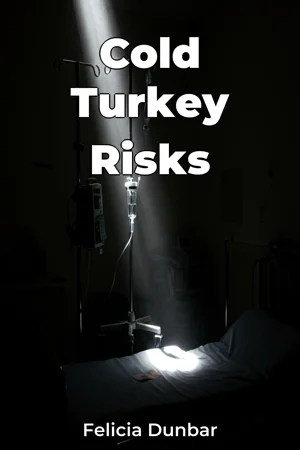
Are you considering quitting an addictive substance cold turkey? Before you do, understand the potentially life-threatening risks involved. "Cold Turkey Risks" is a comprehensive guide that illuminates the often-underestimated dangers of abruptly ceasing the use of addictive substances, and provides crucial information on managing detoxification safely with medical oversight. This book delves into the science behind withdrawal symptoms, offering a roadmap for a safer, more informed path to recovery. This book tackles two key interconnected topics: the physiological and psychological mechanisms underlying substance withdrawal, and the protocols for medically supervised detoxification. Understanding the biological processes that drive withdrawal is crucial for anticipating and mitigating potential health risks. Equally important is the practical knowledge of how to safely navigate detoxification, ensuring access to appropriate medical support and minimizing adverse outcomes. These topics are vital because uninformed attempts at quitting substances can result in severe complications, including seizures, delirium tremens, and even death. "Cold Turkey Risks" provides essential context by examining the historical evolution of addiction treatment. From early societal views on addiction as a moral failing to the current understanding of addiction as a complex brain disorder, we trace the development of medical and therapeutic approaches. Readers will gain a foundational understanding of basic neurobiology relevant to addiction and withdrawal. The central argument of this book is that while overcoming addiction is a laudable goal, abruptly stopping certain substances without medical supervision can be extremely dangerous and counterproductive. We advocate for the principle that medically supervised detoxification is the safest and most effective method for initiating recovery from moderate to severe substance dependence. This argument is paramount because it challenges the notion that willpower alone is sufficient for overcoming addiction and promotes a harm-reduction approach that prioritizes patient safety. The book's structure is designed to build a layered understanding of the topic. In Part 1, we introduce core concepts of addiction, dependence, and withdrawal, differentiating between various substances and their associated risks. Part 2 develops the central argument by examining the specific dangers of unsupervised withdrawal from alcohol, opioids, benzodiazepines, and other substances. This section details the physiological and psychological symptoms, potential complications, and risk factors associated with each substance. Part 3 focuses on the benefits and protocols of medically supervised detoxification, covering assessment procedures, medication-assisted treatment (MAT), psychological support, and aftercare planning. Part 4 culminates the argument by addressing special populations, such as pregnant women and individuals with co-occurring mental health disorders, and offers guidance on tailoring detoxification strategies to meet their unique needs. The book will conclude with practical guidelines and resources for readers seeking professional help. To support our arguments, we will present evidence from clinical trials, case studies, epidemiological data, and neurobiological research. We will draw upon data from the Substance Abuse and Mental Health Services Administration (SAMHSA), the National Institute on Drug Abuse (NIDA), and peer-reviewed medical publications. Furthermore, we will incorporate real-world examples and patient testimonials to illustrate the potential consequences of unsupervised withdrawal. This book connects to the fields of neuroscience, psychology, and public health. By integrating neuroscientific findings on the brain's reward system and withdrawal mechanisms, we offer a biological basis for understanding addiction. Psychological principles of behavior change and motivational interviewing inform the strategies for supporting individuals through detoxification. Public health perspectives highlight the societal impact of addiction and the importance of accessible, evidence-based treatment. "Cold Turkey Risks" stands out by providing a balanced and comprehensive analysis of the risks and benefits of different detoxification approaches. Unlike many popular resources that oversimplify the complexities of addiction, this book offers a nuanced perspective that acknowledges the individual variability in treatment needs. The tone and writing style are professional, informative, and accessible to a broad audience. While grounded in scientific evidence, the book avoids technical jargon and explains complex concepts in plain language. The target audience includes individuals struggling with addiction, their families and loved ones, healthcare professionals, counselors, and anyone seeking to understand the risks of unsupervised withdrawal. This book is valuable to them because it provides the knowledge and resources necessary to make informed decisions about addiction treatment and harm reduction. As a work of health and fitness and medical general literature, this book adheres to the genre-specific expectations of accuracy, objectivity, and evidence-based information. The scope of this book is limited to the risks associated with sudden withdrawal from addictive substances and the management of detox symptoms with medical supervision. It does not delve into the long-term aspects of addiction recovery or offer comprehensive treatment plans for specific addictions. The information in this book can be applied practically by readers to assess their own or a loved one's risk of withdrawal complications, identify appropriate medical resources, and advocate for evidence-based treatment. One debate that is addressed is the role of abstinence-only approaches versus harm-reduction strategies in addiction treatment. While "Cold Turkey Risks" acknowledges the value of abstinence for some individuals, it argues that harm-reduction approaches, such as medically supervised detoxification, are essential for mitigating the dangers of unsupervised withdrawal and engaging individuals in longer-term treatment.
Are you considering quitting an addictive substance cold turkey? Before you do, understand the potentially life-threatening risks involved. "Cold Turkey Risks" is a comprehensive guide that illuminates the often-underestimated dangers of abruptly ceasing the use of addictive substances, and provides crucial information on managing detoxification safely with medical oversight. This book delves into the science behind withdrawal symptoms, offering a roadmap for a safer, more informed path to recovery. This book tackles two key interconnected topics: the physiological and psychological mechanisms underlying substance withdrawal, and the protocols for medically supervised detoxification. Understanding the biological processes that drive withdrawal is crucial for anticipating and mitigating potential health risks. Equally important is the practical knowledge of how to safely navigate detoxification, ensuring access to appropriate medical support and minimizing adverse outcomes. These topics are vital because uninformed attempts at quitting substances can result in severe complications, including seizures, delirium tremens, and even death. "Cold Turkey Risks" provides essential context by examining the historical evolution of addiction treatment. From early societal views on addiction as a moral failing to the current understanding of addiction as a complex brain disorder, we trace the development of medical and therapeutic approaches. Readers will gain a foundational understanding of basic neurobiology relevant to addiction and withdrawal. The central argument of this book is that while overcoming addiction is a laudable goal, abruptly stopping certain substances without medical supervision can be extremely dangerous and counterproductive. We advocate for the principle that medically supervised detoxification is the safest and most effective method for initiating recovery from moderate to severe substance dependence. This argument is paramount because it challenges the notion that willpower alone is sufficient for overcoming addiction and promotes a harm-reduction approach that prioritizes patient safety. The book's structure is designed to build a layered understanding of the topic. In Part 1, we introduce core concepts of addiction, dependence, and withdrawal, differentiating between various substances and their associated risks. Part 2 develops the central argument by examining the specific dangers of unsupervised withdrawal from alcohol, opioids, benzodiazepines, and other substances. This section details the physiological and psychological symptoms, potential complications, and risk factors associated with each substance. Part 3 focuses on the benefits and protocols of medically supervised detoxification, covering assessment procedures, medication-assisted treatment (MAT), psychological support, and aftercare planning. Part 4 culminates the argument by addressing special populations, such as pregnant women and individuals with co-occurring mental health disorders, and offers guidance on tailoring detoxification strategies to meet their unique needs. The book will conclude with practical guidelines and resources for readers seeking professional help. To support our arguments, we will present evidence from clinical trials, case studies, epidemiological data, and neurobiological research. We will draw upon data from the Substance Abuse and Mental Health Services Administration (SAMHSA), the National Institute on Drug Abuse (NIDA), and peer-reviewed medical publications. Furthermore, we will incorporate real-world examples and patient testimonials to illustrate the potential consequences of unsupervised withdrawal. This book connects to the fields of neuroscience, psychology, and public health. By integrating neuroscientific findings on the brain's reward system and withdrawal mechanisms, we offer a biological basis for understanding addiction. Psychological principles of behavior change and motivational interviewing inform the strategies for supporting individuals through detoxification. Public health perspectives highlight the societal impact of addiction and the importance of accessible, evidence-based treatment. "Cold Turkey Risks" stands out by providing a balanced and comprehensive analysis of the risks and benefits of different detoxification approaches. Unlike many popular resources that oversimplify the complexities of addiction, this book offers a nuanced perspective that acknowledges the individual variability in treatment needs. The tone and writing style are professional, informative, and accessible to a broad audience. While grounded in scientific evidence, the book avoids technical jargon and explains complex concepts in plain language. The target audience includes individuals struggling with addiction, their families and loved ones, healthcare professionals, counselors, and anyone seeking to understand the risks of unsupervised withdrawal. This book is valuable to them because it provides the knowledge and resources necessary to make informed decisions about addiction treatment and harm reduction. As a work of health and fitness and medical general literature, this book adheres to the genre-specific expectations of accuracy, objectivity, and evidence-based information. The scope of this book is limited to the risks associated with sudden withdrawal from addictive substances and the management of detox symptoms with medical supervision. It does not delve into the long-term aspects of addiction recovery or offer comprehensive treatment plans for specific addictions. The information in this book can be applied practically by readers to assess their own or a loved one's risk of withdrawal complications, identify appropriate medical resources, and advocate for evidence-based treatment. One debate that is addressed is the role of abstinence-only approaches versus harm-reduction strategies in addiction treatment. While "Cold Turkey Risks" acknowledges the value of abstinence for some individuals, it argues that harm-reduction approaches, such as medically supervised detoxification, are essential for mitigating the dangers of unsupervised withdrawal and engaging individuals in longer-term treatment.
"Cold Turkey Risks" explores the serious dangers of abruptly stopping addictive substances without medical supervision. It highlights the importance of understanding withdrawal symptoms and the need for medically supervised detoxification to minimize potentially life-threatening risks like seizures or delirium tremens. The book explains how addiction is now understood as a complex brain disorder, a shift from earlier views that saw it as a moral failing. This comprehensive guide examines the risks associated with unsupervised withdrawal from substances like alcohol, opioids, and benzodiazepines, detailing the physiological and psychological symptoms that can arise. It emphasizes that willpower alone is often insufficient and advocates for harm reduction through medical oversight. "Cold Turkey Risks" presents evidence from clinical trials and neurobiological research, illustrating the consequences of unsupervised withdrawal with real-world examples. The book progresses systematically, starting with core concepts of addiction and dependence, then examining the specific dangers of unsupervised withdrawal. It concludes by focusing on medically supervised detoxification, including assessment procedures and medication-assisted treatment, and addresses the unique needs of special populations. This balanced approach offers a nuanced perspective on addiction treatment, making it a valuable resource for individuals, families, and healthcare professionals seeking informed decisions about addiction and health and fitness.
Book Details
ISBN
9788235266330
Publisher
Publifye AS
Your Licenses
You don't own any licenses for this book
Purchase a license below to unlock this book and download the EPUB.
Purchase License
Select a tier to unlock this book
Need bulk licensing?
Contact us for enterprise agreements.