
About This Book
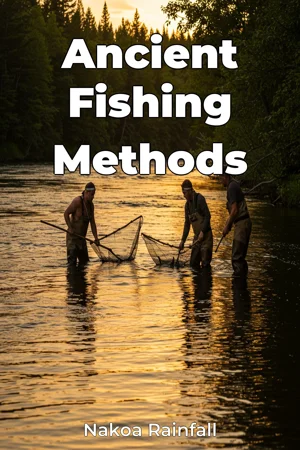
Have you ever considered the ingenuity behind catching fish before the advent of modern technology? "Ancient Fishing Methods" delves into the rich tapestry of traditional indigenous fishing techniques, exploring their sustainable harvesting practices and their pivotal role in shaping historical economies around the world. This book examines how diverse cultures, reliant on aquatic resources for survival, developed sophisticated methods that were both effective and environmentally conscious. This exploration focuses primarily on two key themes: the specific techniques employed by various indigenous groups and the sustainable practices inherent in their fishing methods. Understanding these traditional techniques offers insight into the resourcefulness and adaptability of past societies. Moreover, examining their sustainability highlights crucial lessons for modern fisheries management and conservation efforts. These topics are particularly relevant today, as we grapple with the environmental impacts of industrial fishing and seek more ecologically sound approaches to resource utilization. To fully appreciate the intricacies of these ancient methods, background knowledge in basic ecology, anthropology, and some familiarity with world history proves beneficial. We will explore diverse ecosystems, from coastal communities to inland river systems, examining how environmental factors influenced the development of unique fishing strategies. The central argument of this book is that ancient indigenous fishing practices, often dismissed as primitive, showcase a profound understanding of ecological balance and sustainable resource management. These techniques represent a valuable legacy that holds essential lessons for addressing contemporary environmental challenges. The book opens by introducing core fishing concepts and their historical context, then progresses through several key sections. First, detailed descriptions of various fishing methods are presented, categorized by geographic region and type of technique – including spearfishing, trapping, netting, and angling. Second, the book investigates the sustainability aspects of these practices, analyzing how indigenous communities managed fish populations to ensure long-term resource availability through methods such as seasonal restrictions, gear limitations, and habitat protection. Third, the economic impact of fishing on these societies is examined. Finally, we will connect these ancient practices with contemporary environmental challenges by examining how these historical methods could inform modern fisheries management policies. The evidence presented in "Ancient Fishing Methods" draws from a range of sources, including archaeological records, ethnographic studies, historical accounts, and traditional ecological knowledge passed down through generations. Unique data sources include previously unpublished field notes from early anthropologists and analyses of ancient fishing tools discovered at archaeological sites. This book connects to various interdisciplinary fields. Its findings are relevant to environmental science, offering insights into sustainable resource management; to anthropology, providing a greater understanding of cultural adaptations to diverse environments; and to economics, illustrating the historical significance of resource-based economies. These connections enhance the book's argument by demonstrating the broad applicability and relevance of ancient fishing practices. "Ancient Fishing Methods" distinguishes itself through its holistic perspective, integrating ecological, cultural, and economic aspects of indigenous fishing practices. The book provides a comprehensive overview, avoiding romanticized views and addressing the practical challenges and limitations faced by these communities. Written in an accessible yet informative style, this book aims to engage a broad audience, including students, researchers, environmentalists, and anyone interested in history, ecology, or indigenous cultures. It provides valuable insights into the ingenuity of past societies and their ability to live in harmony with their environment. As a work of non-fiction history and environment, "Ancient Fishing Methods" adheres to rigorous standards of accuracy and objectivity, presenting evidence-based arguments and acknowledging diverse perspectives. The scope of the book encompasses a global survey of indigenous fishing practices, although specific regions and cultures receive more in-depth analysis due to the availability of data and research. While focusing on historical practices, the book also explores the modern-day relevance of these techniques. The information presented in this book has practical applications for contemporary fisheries management, conservation efforts, and sustainable development initiatives. By understanding the principles of ancient fishing methods, policymakers and practitioners can develop more effective strategies for protecting aquatic resources and promoting sustainable livelihoods in coastal communities. The book also addresses ongoing debates surrounding the role of traditional ecological knowledge in modern conservation efforts. By acknowledging the complexities and nuances of integrating indigenous practices with scientific approaches, "Ancient Fishing Methods" contributes to a more informed and balanced discussion about the future of fisheries management.
Have you ever considered the ingenuity behind catching fish before the advent of modern technology? "Ancient Fishing Methods" delves into the rich tapestry of traditional indigenous fishing techniques, exploring their sustainable harvesting practices and their pivotal role in shaping historical economies around the world. This book examines how diverse cultures, reliant on aquatic resources for survival, developed sophisticated methods that were both effective and environmentally conscious. This exploration focuses primarily on two key themes: the specific techniques employed by various indigenous groups and the sustainable practices inherent in their fishing methods. Understanding these traditional techniques offers insight into the resourcefulness and adaptability of past societies. Moreover, examining their sustainability highlights crucial lessons for modern fisheries management and conservation efforts. These topics are particularly relevant today, as we grapple with the environmental impacts of industrial fishing and seek more ecologically sound approaches to resource utilization. To fully appreciate the intricacies of these ancient methods, background knowledge in basic ecology, anthropology, and some familiarity with world history proves beneficial. We will explore diverse ecosystems, from coastal communities to inland river systems, examining how environmental factors influenced the development of unique fishing strategies. The central argument of this book is that ancient indigenous fishing practices, often dismissed as primitive, showcase a profound understanding of ecological balance and sustainable resource management. These techniques represent a valuable legacy that holds essential lessons for addressing contemporary environmental challenges. The book opens by introducing core fishing concepts and their historical context, then progresses through several key sections. First, detailed descriptions of various fishing methods are presented, categorized by geographic region and type of technique – including spearfishing, trapping, netting, and angling. Second, the book investigates the sustainability aspects of these practices, analyzing how indigenous communities managed fish populations to ensure long-term resource availability through methods such as seasonal restrictions, gear limitations, and habitat protection. Third, the economic impact of fishing on these societies is examined. Finally, we will connect these ancient practices with contemporary environmental challenges by examining how these historical methods could inform modern fisheries management policies. The evidence presented in "Ancient Fishing Methods" draws from a range of sources, including archaeological records, ethnographic studies, historical accounts, and traditional ecological knowledge passed down through generations. Unique data sources include previously unpublished field notes from early anthropologists and analyses of ancient fishing tools discovered at archaeological sites. This book connects to various interdisciplinary fields. Its findings are relevant to environmental science, offering insights into sustainable resource management; to anthropology, providing a greater understanding of cultural adaptations to diverse environments; and to economics, illustrating the historical significance of resource-based economies. These connections enhance the book's argument by demonstrating the broad applicability and relevance of ancient fishing practices. "Ancient Fishing Methods" distinguishes itself through its holistic perspective, integrating ecological, cultural, and economic aspects of indigenous fishing practices. The book provides a comprehensive overview, avoiding romanticized views and addressing the practical challenges and limitations faced by these communities. Written in an accessible yet informative style, this book aims to engage a broad audience, including students, researchers, environmentalists, and anyone interested in history, ecology, or indigenous cultures. It provides valuable insights into the ingenuity of past societies and their ability to live in harmony with their environment. As a work of non-fiction history and environment, "Ancient Fishing Methods" adheres to rigorous standards of accuracy and objectivity, presenting evidence-based arguments and acknowledging diverse perspectives. The scope of the book encompasses a global survey of indigenous fishing practices, although specific regions and cultures receive more in-depth analysis due to the availability of data and research. While focusing on historical practices, the book also explores the modern-day relevance of these techniques. The information presented in this book has practical applications for contemporary fisheries management, conservation efforts, and sustainable development initiatives. By understanding the principles of ancient fishing methods, policymakers and practitioners can develop more effective strategies for protecting aquatic resources and promoting sustainable livelihoods in coastal communities. The book also addresses ongoing debates surrounding the role of traditional ecological knowledge in modern conservation efforts. By acknowledging the complexities and nuances of integrating indigenous practices with scientific approaches, "Ancient Fishing Methods" contributes to a more informed and balanced discussion about the future of fisheries management.
"Ancient Fishing Methods" explores the ingenious and sustainable fishing techniques developed by indigenous cultures worldwide. Long before modern technology, these societies relied on aquatic resources, crafting strategies that ensured both effective harvesting and ecological balance. Consider, for example, the sophisticated trap systems used in some cultures, designed to selectively catch certain species while allowing others to pass unharmed, or the seasonal restrictions implemented to protect spawning grounds. The book investigates diverse fishing methods—spearfishing, netting, angling, and trapping—categorized by geographic region. It highlights how these practices reflect a deep understanding of local ecosystems and resource management. By examining archaeological records, ethnographic studies, and traditional ecological knowledge, the book reveals how these ancient practices shaped historical economies and offer valuable lessons for modern environmental challenges, especially in fisheries management. Progressing from core concepts to detailed descriptions, the book examines the sustainability of these practices, their economic impact, and their relevance to contemporary conservation. It showcases how traditional techniques, often dismissed, embody a profound understanding of ecological balance, providing vital insights for addressing today's environmental concerns.
Book Details
ISBN
9788235266156
Publisher
Publifye AS
Your Licenses
You don't own any licenses for this book
Purchase a license below to unlock this book and download the EPUB.
Purchase License
Select a tier to unlock this book
Need bulk licensing?
Contact us for enterprise agreements.