
About This Book
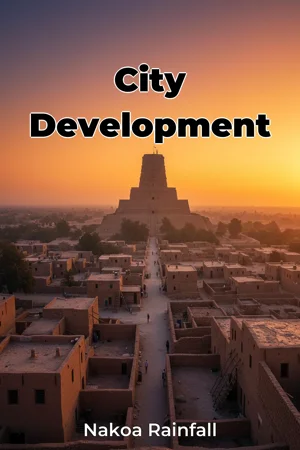
How have cities, the epicenters of human civilization, evolved from mere settlements to the complex, sprawling metropolises we inhabit today? "City Development" embarks on a comprehensive journey through the history of urban planning, meticulously tracing the trajectory of urban spaces from their ancient origins to their modern manifestations. This book examines the forces shaping urban growth, the principles guiding their organization, and the profound impact cities have on society and the environment. This exploration hinges on three key concepts: the evolving paradigms of urban planning, the interplay between urban form and social function, and the sustainable development of cities in the face of modern challenges. Understanding these topics is crucial for anyone seeking to comprehend the complexities of urban life, the legacy of past decisions, and the possibilities for creating more equitable and resilient urban futures. The book provides essential historical context, beginning with the earliest urban settlements in Mesopotamia and the Indus Valley, highlighting the foundational principles of urban design that emerged in these ancient societies. Subsequent chapters delve into the influence of Greek and Roman city planning, the transformations wrought by the medieval period, and the impact of the Renaissance and Industrial Revolution on urban landscapes. Knowledge of architectural styles, societal structures, and technological advancements across these periods is beneficial but not mandatory, as the book provides necessary background information. The central argument of "City Development" is that urban planning is not merely a technical discipline but a reflection of societal values, political ideologies, and economic forces. The book demonstrates how different eras have prioritized different aspects of urban life, leading to distinct urban forms and social outcomes. It emphasizes that understanding the historical evolution of urban planning is crucial for creating cities that are both functional and socially just. The book is structured in four major parts. The first part introduces the fundamental concepts of urban planning and provides a historical overview of early urban settlements. The second part examines the development of urban planning principles in classical and pre-industrial societies, focusing on the relationship between urban form and social organization. The third part analyzes the impact of industrialization and modernization on urban development, exploring the rise of the modern city and the emergence of new planning challenges. The final part addresses contemporary issues in urban planning, such as sustainability, social equity, and the impact of globalization. It culminates with the argument that only a holistic approach to urban planning can address issues of global urbanization. The arguments presented are grounded in diverse forms of evidence, including archaeological findings, historical maps and plans, architectural analyses, and sociological studies. Comparative case studies of cities from different historical periods and geographical regions are used to illustrate the diverse approaches to urban planning and their consequences. "City Development" bridges several disciplines, including history, architecture, sociology, and environmental studies. By integrating insights from these fields, the book provides a nuanced understanding of the complex interplay between urban planning and society. These interdisciplinary connections enhance the book’s central argument by revealing the multiple layers of influence shaping urban development. What sets this book apart is its emphasis on the social and political dimensions of urban planning, highlighting how decisions about urban form and organization are often shaped by power dynamics and social inequalities. It offers a critical perspective on the history of urban planning, challenging conventional narratives and offering fresh insights into the forces shaping our cities. The tone is academic and informative, yet accessible to a broad audience. Complex concepts are explained clearly and concisely, making the book suitable for students, professionals, and anyone interested in understanding the history and evolution of urban planning. The target audience includes students of architecture, urban planning, and history, as well as practitioners in the fields of urban design and policy. The book is also relevant to anyone interested in understanding the historical roots of contemporary urban challenges and the possibilities for creating more sustainable and equitable cities. As a work of non-fiction historical analysis and architectural study, this book will follow the genre's conventions by presenting well-researched information, offering clear and compelling arguments, and providing detailed documentation of sources. While "City Development" provides a broad overview of urban planning history, it focuses primarily on the Western tradition, with selected case studies from other parts of the world. This limitation allows for a more in-depth exploration of the evolution of urban planning principles in a specific cultural and historical context. The information presented has real-world applications for urban planners, policymakers, and community activists seeking to create more sustainable, equitable, and livable cities. By understanding the historical precedents and the consequences of past decisions, readers can gain valuable insights for addressing contemporary urban challenges. The book also addresses ongoing debates in the field of urban planning, such as the tension between urban sprawl and compact development, the role of public transportation in reducing urban congestion, and the challenges of promoting social equity in rapidly growing cities.
How have cities, the epicenters of human civilization, evolved from mere settlements to the complex, sprawling metropolises we inhabit today? "City Development" embarks on a comprehensive journey through the history of urban planning, meticulously tracing the trajectory of urban spaces from their ancient origins to their modern manifestations. This book examines the forces shaping urban growth, the principles guiding their organization, and the profound impact cities have on society and the environment. This exploration hinges on three key concepts: the evolving paradigms of urban planning, the interplay between urban form and social function, and the sustainable development of cities in the face of modern challenges. Understanding these topics is crucial for anyone seeking to comprehend the complexities of urban life, the legacy of past decisions, and the possibilities for creating more equitable and resilient urban futures. The book provides essential historical context, beginning with the earliest urban settlements in Mesopotamia and the Indus Valley, highlighting the foundational principles of urban design that emerged in these ancient societies. Subsequent chapters delve into the influence of Greek and Roman city planning, the transformations wrought by the medieval period, and the impact of the Renaissance and Industrial Revolution on urban landscapes. Knowledge of architectural styles, societal structures, and technological advancements across these periods is beneficial but not mandatory, as the book provides necessary background information. The central argument of "City Development" is that urban planning is not merely a technical discipline but a reflection of societal values, political ideologies, and economic forces. The book demonstrates how different eras have prioritized different aspects of urban life, leading to distinct urban forms and social outcomes. It emphasizes that understanding the historical evolution of urban planning is crucial for creating cities that are both functional and socially just. The book is structured in four major parts. The first part introduces the fundamental concepts of urban planning and provides a historical overview of early urban settlements. The second part examines the development of urban planning principles in classical and pre-industrial societies, focusing on the relationship between urban form and social organization. The third part analyzes the impact of industrialization and modernization on urban development, exploring the rise of the modern city and the emergence of new planning challenges. The final part addresses contemporary issues in urban planning, such as sustainability, social equity, and the impact of globalization. It culminates with the argument that only a holistic approach to urban planning can address issues of global urbanization. The arguments presented are grounded in diverse forms of evidence, including archaeological findings, historical maps and plans, architectural analyses, and sociological studies. Comparative case studies of cities from different historical periods and geographical regions are used to illustrate the diverse approaches to urban planning and their consequences. "City Development" bridges several disciplines, including history, architecture, sociology, and environmental studies. By integrating insights from these fields, the book provides a nuanced understanding of the complex interplay between urban planning and society. These interdisciplinary connections enhance the book’s central argument by revealing the multiple layers of influence shaping urban development. What sets this book apart is its emphasis on the social and political dimensions of urban planning, highlighting how decisions about urban form and organization are often shaped by power dynamics and social inequalities. It offers a critical perspective on the history of urban planning, challenging conventional narratives and offering fresh insights into the forces shaping our cities. The tone is academic and informative, yet accessible to a broad audience. Complex concepts are explained clearly and concisely, making the book suitable for students, professionals, and anyone interested in understanding the history and evolution of urban planning. The target audience includes students of architecture, urban planning, and history, as well as practitioners in the fields of urban design and policy. The book is also relevant to anyone interested in understanding the historical roots of contemporary urban challenges and the possibilities for creating more sustainable and equitable cities. As a work of non-fiction historical analysis and architectural study, this book will follow the genre's conventions by presenting well-researched information, offering clear and compelling arguments, and providing detailed documentation of sources. While "City Development" provides a broad overview of urban planning history, it focuses primarily on the Western tradition, with selected case studies from other parts of the world. This limitation allows for a more in-depth exploration of the evolution of urban planning principles in a specific cultural and historical context. The information presented has real-world applications for urban planners, policymakers, and community activists seeking to create more sustainable, equitable, and livable cities. By understanding the historical precedents and the consequences of past decisions, readers can gain valuable insights for addressing contemporary urban challenges. The book also addresses ongoing debates in the field of urban planning, such as the tension between urban sprawl and compact development, the role of public transportation in reducing urban congestion, and the challenges of promoting social equity in rapidly growing cities.
"City Development" explores the fascinating evolution of cities, from ancient settlements to modern metropolises, focusing on urban planning's historical trajectory. It examines how cities reflect societal values, political ideologies, and economic forces, revealing that urban planning is more than just a technical discipline. The book highlights the interplay between urban form and social function, illustrating how different eras have prioritized different aspects of urban life. The book argues that understanding the past is crucial for building equitable and resilient urban futures. For example, early urban settlements in Mesopotamia and the Indus Valley laid foundational principles of urban design. Later, Greek and Roman city planning significantly influenced urban landscapes, demonstrating the profound impact of historical precedent. The book progresses through eras, analyzing the influence of the Renaissance and Industrial Revolution, and addresses contemporary issues like sustainability and social equity. What sets this book apart is its emphasis on the social and political dimensions of urban planning, revealing how power dynamics shape urban form. Using diverse evidence like archaeological findings and historical maps, "City Development" provides a nuanced understanding of the complex interplay between history, architecture, and society. This approach makes it valuable for students, professionals, and anyone interested in urban history, architecture, and the future of city development.
Book Details
ISBN
9788235266118
Publisher
Publifye AS
Your Licenses
You don't own any licenses for this book
Purchase a license below to unlock this book and download the EPUB.
Purchase License
Select a tier to unlock this book
Need bulk licensing?
Contact us for enterprise agreements.