
About This Book
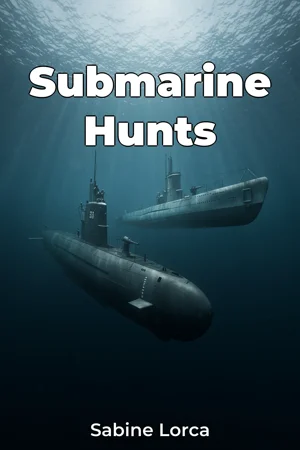
Imagine a silent world beneath the waves, where steel predators stalk each other in a deadly game of hide-and-seek. "Submarine Hunts" plunges into this shadowy realm, dissecting the evolution of submarine warfare from its rudimentary beginnings in World War I to the technologically advanced conflicts of the present day. This book explores not only the cat-and-mouse dynamic between submarines and their adversaries, but also the profound impact of this underwater battlefield on global power dynamics. We will delve into three core areas: the technological advancements driving submarine design and detection methods, the strategic and tactical doctrines governing submarine deployment, and the historical impact submarine warfare has had on naval battles and international relations. Understanding these interwoven aspects is crucial to grasping the full scope of submarine warfare's influence on the 20th and 21st centuries. The book provides a historical backdrop, charting the progression of naval strategy and technology that led to the rise of the submarine as a potent weapon. It requires no specialized prior knowledge, aiming to make complex military concepts accessible to a broad audience. The central argument of "Submarine Hunts" is that submarine warfare has consistently acted as a disruptive force, upsetting established naval hierarchies and demanding constant innovation in both offensive and defensive capabilities. This argument is vital because it reframes our understanding of naval power, highlighting the critical role of a platform often overlooked in favor of surface fleets. The book unfolds in a structured manner, beginning with an introduction to the fundamental principles of submarine operation and the early challenges faced by U-boat commanders in World War I. It then progresses through key historical periods, examining the technological leaps during World War II, the Cold War's nuclear submarine arms race, and the modern era of stealth technologies and cyber warfare. Each chapter will focus on specific battles, technological advancements, and strategic shifts, culminating in an analysis of the current state of submarine warfare and its potential future. "Submarine Hunts" will also explore the ethical implications of this increasingly autonomous and clandestine form of combat. Supporting this narrative will be a wide range of evidence, including historical documents, technical specifications of submarines and anti-submarine warfare systems, firsthand accounts from submariners, and analyses of naval engagements. The book will also draw upon recently declassified intelligence reports and data from naval archives to provide unprecedented insights into submarine operations. "Submarine Hunts" connects to several related disciplines. It draws upon aspects of engineering to explain the design and functionality of submarines, international relations to analyze the political impact of submarine deployments, and resource management to explore the economic implications of building and maintaining a submarine fleet. This interdisciplinary approach enhances the book's central argument by illustrating the multifaceted nature of submarine warfare. A unique aspect of the book is its focus on the human element of submarine warfare. Beyond the technological marvels, "Submarine Hunts" explores the psychological toll on the crews who operate in these confined and dangerous environments. It also provides a meticulous analysis of the evolving strategies employed to counter these underwater threats. The book adopts a narrative non-fiction approach, blending rigorous historical accuracy with compelling storytelling. It aims to engage readers with vivid descriptions of submarine battles and the human drama unfolding within these submerged vessels. "Submarine Hunts" is aimed at history enthusiasts, military history buffs, naval strategy students, and general readers interested in understanding the complexities of modern warfare. It provides valuable insights into a hidden world that shapes global security. The book's scope is limited to the evolution of submarine warfare tactics and technology. It will not delve into other aspects of naval warfare except where directly related to submarine operations. The information within "Submarine Hunts" can be applied practically by readers interested in defense analysis, naval strategy, or military technology. It also offers valuable perspectives on the ongoing debates surrounding naval power projection and the future of maritime warfare. "Submarine Hunts" addresses controversies, such as the legal and ethical implications of unrestricted submarine warfare, the effectiveness of different anti-submarine warfare strategies, and the potential for autonomous submarines to alter the balance of power at sea. By addressing these issues, the book contributes to a broader understanding of the challenges and opportunities presented by this critical domain of modern warfare.
Imagine a silent world beneath the waves, where steel predators stalk each other in a deadly game of hide-and-seek. "Submarine Hunts" plunges into this shadowy realm, dissecting the evolution of submarine warfare from its rudimentary beginnings in World War I to the technologically advanced conflicts of the present day. This book explores not only the cat-and-mouse dynamic between submarines and their adversaries, but also the profound impact of this underwater battlefield on global power dynamics. We will delve into three core areas: the technological advancements driving submarine design and detection methods, the strategic and tactical doctrines governing submarine deployment, and the historical impact submarine warfare has had on naval battles and international relations. Understanding these interwoven aspects is crucial to grasping the full scope of submarine warfare's influence on the 20th and 21st centuries. The book provides a historical backdrop, charting the progression of naval strategy and technology that led to the rise of the submarine as a potent weapon. It requires no specialized prior knowledge, aiming to make complex military concepts accessible to a broad audience. The central argument of "Submarine Hunts" is that submarine warfare has consistently acted as a disruptive force, upsetting established naval hierarchies and demanding constant innovation in both offensive and defensive capabilities. This argument is vital because it reframes our understanding of naval power, highlighting the critical role of a platform often overlooked in favor of surface fleets. The book unfolds in a structured manner, beginning with an introduction to the fundamental principles of submarine operation and the early challenges faced by U-boat commanders in World War I. It then progresses through key historical periods, examining the technological leaps during World War II, the Cold War's nuclear submarine arms race, and the modern era of stealth technologies and cyber warfare. Each chapter will focus on specific battles, technological advancements, and strategic shifts, culminating in an analysis of the current state of submarine warfare and its potential future. "Submarine Hunts" will also explore the ethical implications of this increasingly autonomous and clandestine form of combat. Supporting this narrative will be a wide range of evidence, including historical documents, technical specifications of submarines and anti-submarine warfare systems, firsthand accounts from submariners, and analyses of naval engagements. The book will also draw upon recently declassified intelligence reports and data from naval archives to provide unprecedented insights into submarine operations. "Submarine Hunts" connects to several related disciplines. It draws upon aspects of engineering to explain the design and functionality of submarines, international relations to analyze the political impact of submarine deployments, and resource management to explore the economic implications of building and maintaining a submarine fleet. This interdisciplinary approach enhances the book's central argument by illustrating the multifaceted nature of submarine warfare. A unique aspect of the book is its focus on the human element of submarine warfare. Beyond the technological marvels, "Submarine Hunts" explores the psychological toll on the crews who operate in these confined and dangerous environments. It also provides a meticulous analysis of the evolving strategies employed to counter these underwater threats. The book adopts a narrative non-fiction approach, blending rigorous historical accuracy with compelling storytelling. It aims to engage readers with vivid descriptions of submarine battles and the human drama unfolding within these submerged vessels. "Submarine Hunts" is aimed at history enthusiasts, military history buffs, naval strategy students, and general readers interested in understanding the complexities of modern warfare. It provides valuable insights into a hidden world that shapes global security. The book's scope is limited to the evolution of submarine warfare tactics and technology. It will not delve into other aspects of naval warfare except where directly related to submarine operations. The information within "Submarine Hunts" can be applied practically by readers interested in defense analysis, naval strategy, or military technology. It also offers valuable perspectives on the ongoing debates surrounding naval power projection and the future of maritime warfare. "Submarine Hunts" addresses controversies, such as the legal and ethical implications of unrestricted submarine warfare, the effectiveness of different anti-submarine warfare strategies, and the potential for autonomous submarines to alter the balance of power at sea. By addressing these issues, the book contributes to a broader understanding of the challenges and opportunities presented by this critical domain of modern warfare.
"Submarine Hunts" explores the captivating history of submarine warfare, from its humble beginnings to its current state as a technologically advanced and strategically vital component of naval power. Delving into the evolution of submarine technology and tactics, the book highlights the silent cat-and-mouse game played beneath the waves. One intriguing aspect explored is how submarines have acted as a disruptive force in naval hierarchies, demanding constant innovation in both offensive and defensive capabilities. Furthermore, the book examines the psychological impact on submariners, offering a unique perspective into the human element of this clandestine form of combat. The book takes a narrative non-fiction approach, blending historical accuracy with compelling storytelling, ensuring complex military concepts are accessible to a broad audience. Beginning with the early challenges of U-boat commanders in World War I, it progresses through key historical periods like World War II and the Cold War, examining technological leaps and strategic shifts. Each chapter focuses on specific battles and advancements, culminating in an analysis of the current state of submarine warfare and its potential future, including ethical implications.
Book Details
ISBN
9788235266057
Publisher
Publifye AS
Your Licenses
You don't own any licenses for this book
Purchase a license below to unlock this book and download the EPUB.
Purchase License
Select a tier to unlock this book
Need bulk licensing?
Contact us for enterprise agreements.