
About This Book
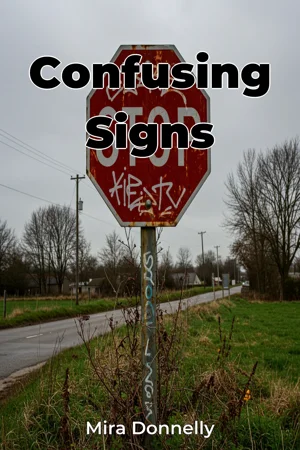
Have you ever stopped to decipher a sign, only to realize it made absolutely no sense? 'Confusing Signs' delves into the perplexing world of real-life signage failures, from contradictory road instructions to carelessly worded public notices, exploring how these errors impact our understanding of information and, ultimately, our interactions with the world around us. This book examines the social science and language arts aspects of these failures, analyzing how flawed communication affects behavior, creates confusion, and sometimes leads to unintended consequences. We will explore how poor sign design and unclear language contribute to misunderstandings and potential hazards. This investigation matters because effective communication is the foundation of a well-functioning society. Signs – whether directing traffic, informing consumers, or conveying vital safety information – play a critical role in shaping our understanding of rules, regulations, and expectations. When signage fails, it exposes vulnerabilities in our communication infrastructure and can erode public trust. The book will briefly touch on the history of signage, from ancient road markers to modern digital displays, focusing on the evolution of the principles of effective communication. Foundational linguistic concepts, such as semantics (the study of meaning) and pragmatics (the study of how context affects meaning), will be explained as they apply to sign interpretation. The central argument of 'Confusing Signs' is that the pervasiveness of poorly designed and worded signs reflects a broader societal struggle with clear and effective communication. The book demonstrates that understanding the principles of clear communication is crucial for preventing errors, improving public safety, and fostering a more informed and engaged citizenry. The book is structured in four primary parts. First, the core concepts of visual communication, information design, and linguistic clarity are introduced. Second, examines categories of confusing signs, such as traffic signs that contradict local ordinances and public health notices with ambiguous wording. Third, analyze the consequences of these confusing signs, including increased traffic accidents, public misunderstanding of important information, and the erosion of trust in authorities. Finally, propose evidence-based solutions for improving signage, drawing from the fields of cognitive psychology, linguistics, and design. The book relies on a collection of real-world examples of baffling signs, documented through photography and eyewitness accounts. It will also draw upon academic research in linguistics, visual communication, and human factors engineering to explain the cognitive processes involved in sign interpretation and the potential pitfalls of poorly designed signs. 'Confusing Signs' finds interdisciplinary connections in the fields of psychology (specifically cognitive psychology and perception), sociology (examining the impact of signage on social behavior), and urban planning (analyzing how signs affect the usability and safety of public spaces). These connections enrich the analysis, providing a holistic understanding of the issue. This book offers a fresh perspective by deconstructing the seemingly mundane world of everyday signs and revealing the complex interplay of language, design, and human cognition that underlies their effectiveness (or lack thereof). The tone is accessible and engaging, suited for a wide audience interested in communication, language, and everyday oddities. The target audience includes anyone interested in language, design, urban planning, or simply the curious observer of everyday life. It would appeal to students in communication, linguistics, and design programs, as well as professionals in fields related to public safety, transportation, and marketing. This book offers value by providing practical insights into improving communication and avoiding common pitfalls. As a work of social science and language arts, the book will adhere to the principles of accuracy, objectivity, and evidence-based analysis. The scope is limited to publicly displayed signs and their impact on human interpretation and behavior, specifically excluding other forms of ambiguous communication. The information presented offers several real-world applications. For example, urban planners and transportation officials can use the insights to design clearer and more effective traffic signs, while public health organizations can apply the principles of clear communication to create easily understood public health messages. While there may not be explicit controversies surrounding the topic of confusing signs, there are ongoing debates about the best practices for visual communication and the relative importance of different design elements. This book can contribute to these discussions by providing a collection of real-world examples and evidence-based recommendations.
Have you ever stopped to decipher a sign, only to realize it made absolutely no sense? 'Confusing Signs' delves into the perplexing world of real-life signage failures, from contradictory road instructions to carelessly worded public notices, exploring how these errors impact our understanding of information and, ultimately, our interactions with the world around us. This book examines the social science and language arts aspects of these failures, analyzing how flawed communication affects behavior, creates confusion, and sometimes leads to unintended consequences. We will explore how poor sign design and unclear language contribute to misunderstandings and potential hazards. This investigation matters because effective communication is the foundation of a well-functioning society. Signs – whether directing traffic, informing consumers, or conveying vital safety information – play a critical role in shaping our understanding of rules, regulations, and expectations. When signage fails, it exposes vulnerabilities in our communication infrastructure and can erode public trust. The book will briefly touch on the history of signage, from ancient road markers to modern digital displays, focusing on the evolution of the principles of effective communication. Foundational linguistic concepts, such as semantics (the study of meaning) and pragmatics (the study of how context affects meaning), will be explained as they apply to sign interpretation. The central argument of 'Confusing Signs' is that the pervasiveness of poorly designed and worded signs reflects a broader societal struggle with clear and effective communication. The book demonstrates that understanding the principles of clear communication is crucial for preventing errors, improving public safety, and fostering a more informed and engaged citizenry. The book is structured in four primary parts. First, the core concepts of visual communication, information design, and linguistic clarity are introduced. Second, examines categories of confusing signs, such as traffic signs that contradict local ordinances and public health notices with ambiguous wording. Third, analyze the consequences of these confusing signs, including increased traffic accidents, public misunderstanding of important information, and the erosion of trust in authorities. Finally, propose evidence-based solutions for improving signage, drawing from the fields of cognitive psychology, linguistics, and design. The book relies on a collection of real-world examples of baffling signs, documented through photography and eyewitness accounts. It will also draw upon academic research in linguistics, visual communication, and human factors engineering to explain the cognitive processes involved in sign interpretation and the potential pitfalls of poorly designed signs. 'Confusing Signs' finds interdisciplinary connections in the fields of psychology (specifically cognitive psychology and perception), sociology (examining the impact of signage on social behavior), and urban planning (analyzing how signs affect the usability and safety of public spaces). These connections enrich the analysis, providing a holistic understanding of the issue. This book offers a fresh perspective by deconstructing the seemingly mundane world of everyday signs and revealing the complex interplay of language, design, and human cognition that underlies their effectiveness (or lack thereof). The tone is accessible and engaging, suited for a wide audience interested in communication, language, and everyday oddities. The target audience includes anyone interested in language, design, urban planning, or simply the curious observer of everyday life. It would appeal to students in communication, linguistics, and design programs, as well as professionals in fields related to public safety, transportation, and marketing. This book offers value by providing practical insights into improving communication and avoiding common pitfalls. As a work of social science and language arts, the book will adhere to the principles of accuracy, objectivity, and evidence-based analysis. The scope is limited to publicly displayed signs and their impact on human interpretation and behavior, specifically excluding other forms of ambiguous communication. The information presented offers several real-world applications. For example, urban planners and transportation officials can use the insights to design clearer and more effective traffic signs, while public health organizations can apply the principles of clear communication to create easily understood public health messages. While there may not be explicit controversies surrounding the topic of confusing signs, there are ongoing debates about the best practices for visual communication and the relative importance of different design elements. This book can contribute to these discussions by providing a collection of real-world examples and evidence-based recommendations.
"Confusing Signs" explores the often-overlooked world of signage failures and their impact on our daily lives. It examines how poorly designed signs, from contradictory traffic instructions to ambiguous public notices, create confusion and potentially hazardous situations. The book argues that these failures reflect a broader societal struggle with clear communication, revealing vulnerabilities in our communication infrastructure. The book demonstrates how flaws in visual communication and linguistic clarity affect social behavior and erode public trust. For example, confusing traffic signs can increase accidents, while poorly worded public health notices can lead to misunderstandings of vital information. By drawing on real-world examples and academic research, "Confusing Signs" highlights the importance of understanding semantics and pragmatics in sign interpretation. Structured in four parts, the book progresses from introducing core concepts to analyzing specific categories of confusing signs, examining their consequences, and proposing solutions. Ultimately, it offers valuable insights for improving communication in various fields, emphasizing the need for evidence-based approaches rooted in cognitive psychology, linguistics, and design.
Book Details
ISBN
9788235265975
Publisher
Publifye AS
Your Licenses
You don't own any licenses for this book
Purchase a license below to unlock this book and download the EPUB.
Purchase License
Select a tier to unlock this book
Need bulk licensing?
Contact us for enterprise agreements.