
About This Book
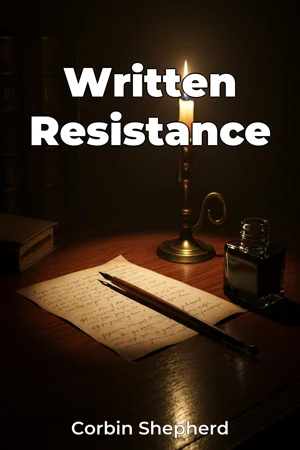
How have seemingly simple forms of writing – the short essay and the open letter – served as catalysts for profound social and political change throughout history? "Written Resistance" delves into the multifaceted ways in which these succinct yet potent mediums have challenged authority, ignited public discourse, and ultimately reshaped societies. This book examines the historical and political impact of short essays and open letters, revealing their enduring power as tools for dissent, advocacy, and social transformation. Understanding the influence of these written forms is crucial in an era saturated with information and competing narratives. By exploring their historical efficacy, we can gain valuable insights into how to effectively communicate, challenge power structures, and foster meaningful dialogue in the present day. "Written Resistance" is grounded in the central argument that short essays and open letters, due to their accessibility and directness, have consistently provided avenues for marginalized voices to challenge dominant ideologies and instigate change. The book posits that these forms of writing bypass traditional gatekeepers of information, allowing for a more democratic and immediate engagement with critical social and political issues. The book is structured to first introduce the core characteristics of short essays and open letters, emphasizing their unique capacity to blend personal narrative with political commentary. It then explores key historical periods and movements where these forms of writing played a pivotal role. Major points include an examination of the Enlightenment, focusing on the essay as a tool for disseminating revolutionary ideas; a study of abolitionist movements, highlighting the use of open letters to galvanize public opinion against slavery; and an analysis of 20th and 21st-century protest movements, demonstrating how essays and letters continue to be employed in digital spaces to organize, advocate, and challenge systemic injustices. The book culminates by discussing the practical implications of understanding these historical precedents for contemporary activism and political engagement. The evidence presented in "Written Resistance" draws from a diverse range of primary sources, including historical archives of essays and letters, as well as secondary scholarship in history, political science, and communication studies. It also incorporates analyses of contemporary online platforms and social media, examining how the essay and open letter have evolved in the digital age. This book connects to several interdisciplinary fields, including sociology, literature, and media studies. By examining the social impact of written communication, the book contributes to a broader understanding of how ideas are disseminated and how social movements are formed. Its literary analysis highlights the rhetorical strategies employed by effective essayists and letter writers, while its engagement with media studies explores the role of digital technologies in amplifying these voices. "Written Resistance" offers a unique perspective by combining a historical analysis of written forms of dissent with a contemporary assessment of their relevance in the digital age. It moves beyond a purely historical account to provide practical insights for activists, writers, and engaged citizens who seek to use these tools to effect change. The book adopts a tone that is both scholarly and accessible, aiming to engage a broad audience while maintaining academic rigor. The writing style is clear and concise, prioritizing the communication of complex ideas in an understandable manner. The target audience includes students and scholars in history, political science, and related fields, as well as activists, journalists, and anyone interested in the power of written communication to shape society. The book appeals to readers who seek a deeper understanding of the historical roots of contemporary social movements and the ways in which ordinary citizens can use their voices to challenge authority. In line with the conventions of historical and political non-fiction, "Written Resistance" prioritizes factual accuracy, rigorous analysis, and clear argumentation. It acknowledges the complexities and nuances of historical events and avoids simplistic narratives. The scope of the book is intentionally limited to the analysis of short essays and open letters, recognizing that other forms of written communication also contribute to social and political change. This focused approach allows for a more in-depth examination of the unique characteristics and impact of these specific mediums. The information presented in "Written Resistance" can be applied practically by readers who wish to improve their own writing and communication skills, as well as by activists and organizers who seek to use essays and letters as tools for advocacy and social change. By understanding the historical precedents and rhetorical strategies employed by effective writers, readers can become more effective communicators and agents of change in their own communities. "Written Resistance" confronts ongoing debates about freedom of speech, censorship, and the role of social media in shaping public discourse. By examining the historical use of essays and letters to challenge authority, the book contributes to a more nuanced understanding of these complex issues.
How have seemingly simple forms of writing – the short essay and the open letter – served as catalysts for profound social and political change throughout history? "Written Resistance" delves into the multifaceted ways in which these succinct yet potent mediums have challenged authority, ignited public discourse, and ultimately reshaped societies. This book examines the historical and political impact of short essays and open letters, revealing their enduring power as tools for dissent, advocacy, and social transformation. Understanding the influence of these written forms is crucial in an era saturated with information and competing narratives. By exploring their historical efficacy, we can gain valuable insights into how to effectively communicate, challenge power structures, and foster meaningful dialogue in the present day. "Written Resistance" is grounded in the central argument that short essays and open letters, due to their accessibility and directness, have consistently provided avenues for marginalized voices to challenge dominant ideologies and instigate change. The book posits that these forms of writing bypass traditional gatekeepers of information, allowing for a more democratic and immediate engagement with critical social and political issues. The book is structured to first introduce the core characteristics of short essays and open letters, emphasizing their unique capacity to blend personal narrative with political commentary. It then explores key historical periods and movements where these forms of writing played a pivotal role. Major points include an examination of the Enlightenment, focusing on the essay as a tool for disseminating revolutionary ideas; a study of abolitionist movements, highlighting the use of open letters to galvanize public opinion against slavery; and an analysis of 20th and 21st-century protest movements, demonstrating how essays and letters continue to be employed in digital spaces to organize, advocate, and challenge systemic injustices. The book culminates by discussing the practical implications of understanding these historical precedents for contemporary activism and political engagement. The evidence presented in "Written Resistance" draws from a diverse range of primary sources, including historical archives of essays and letters, as well as secondary scholarship in history, political science, and communication studies. It also incorporates analyses of contemporary online platforms and social media, examining how the essay and open letter have evolved in the digital age. This book connects to several interdisciplinary fields, including sociology, literature, and media studies. By examining the social impact of written communication, the book contributes to a broader understanding of how ideas are disseminated and how social movements are formed. Its literary analysis highlights the rhetorical strategies employed by effective essayists and letter writers, while its engagement with media studies explores the role of digital technologies in amplifying these voices. "Written Resistance" offers a unique perspective by combining a historical analysis of written forms of dissent with a contemporary assessment of their relevance in the digital age. It moves beyond a purely historical account to provide practical insights for activists, writers, and engaged citizens who seek to use these tools to effect change. The book adopts a tone that is both scholarly and accessible, aiming to engage a broad audience while maintaining academic rigor. The writing style is clear and concise, prioritizing the communication of complex ideas in an understandable manner. The target audience includes students and scholars in history, political science, and related fields, as well as activists, journalists, and anyone interested in the power of written communication to shape society. The book appeals to readers who seek a deeper understanding of the historical roots of contemporary social movements and the ways in which ordinary citizens can use their voices to challenge authority. In line with the conventions of historical and political non-fiction, "Written Resistance" prioritizes factual accuracy, rigorous analysis, and clear argumentation. It acknowledges the complexities and nuances of historical events and avoids simplistic narratives. The scope of the book is intentionally limited to the analysis of short essays and open letters, recognizing that other forms of written communication also contribute to social and political change. This focused approach allows for a more in-depth examination of the unique characteristics and impact of these specific mediums. The information presented in "Written Resistance" can be applied practically by readers who wish to improve their own writing and communication skills, as well as by activists and organizers who seek to use essays and letters as tools for advocacy and social change. By understanding the historical precedents and rhetorical strategies employed by effective writers, readers can become more effective communicators and agents of change in their own communities. "Written Resistance" confronts ongoing debates about freedom of speech, censorship, and the role of social media in shaping public discourse. By examining the historical use of essays and letters to challenge authority, the book contributes to a more nuanced understanding of these complex issues.
"Written Resistance" explores the profound influence of short essays and open letters as drivers of social and political change throughout history. It argues that these accessible forms of written resistance have served as crucial tools for challenging dominant ideologies and fostering political engagement. For example, during the Enlightenment, essays became a key method for disseminating revolutionary ideas, while abolitionist movements effectively used open letters to mobilize public opinion against slavery. The book delves into the historical impact of these written forms, revealing how they bypass traditional gatekeepers, allowing marginalized voices to directly engage with critical issues. By examining historical archives and contemporary online platforms, the approach combines historical analysis with modern-day relevance, offering insights for activists and engaged citizens. The book first introduces the core characteristics of essays and letters, then explores their role in key historical periods, and culminates by discussing their practical implications for contemporary activism. This unique perspective connects history and political science, providing readers with a deeper understanding of how written communication shapes social movements and challenges authority. It examines freedom of speech, censorship, and the role of social media in shaping public discourse. Ultimately, "Written Resistance" demonstrates how understanding the power of written dissent can empower individuals to become more effective communicators and agents of change.
Book Details
ISBN
9788235265951
Publisher
Publifye AS
Your Licenses
You don't own any licenses for this book
Purchase a license below to unlock this book and download the EPUB.
Purchase License
Select a tier to unlock this book
Need bulk licensing?
Contact us for enterprise agreements.