
About This Book
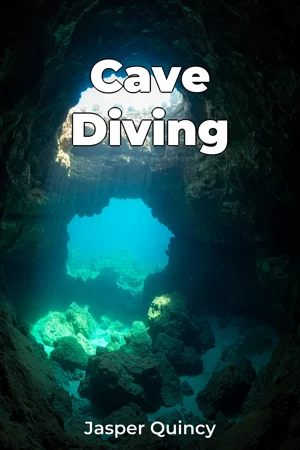
What lies beyond the sunlit surfaces of our planet’s waters, in the silent, lightless depths of submerged caves? "Cave Diving" plunges into this challenging and largely unexplored realm, revealing the science, history, and compelling human stories found within underwater caverns. This book offers an in-depth exploration of cave diving, a field that blends earth sciences, geography, and adventure, providing insights into geological processes, undiscovered ecosystems, and the human drive to push the boundaries of exploration. This book examines three core areas: the geological formation and unique characteristics of underwater caves, the biological discoveries made within these isolated environments, and the techniques and technologies that enable humans to explore them safely. It is important to understand not only the allure of these mysterious places but also the intricate scientific processes that have shaped them over millennia. Understanding the complexities of cave systems requires a grasp of basic geological and hydrological principles, which will be addressed early on in the book. The central argument of "Cave Diving" is that these submerged environments, while posing extreme challenges to exploration, offer unparalleled opportunities for scientific discovery and a deeper comprehension of Earth's history. These underwater caves act as time capsules, preserving unique geological formations, paleontological records, and even traces of early human activity that can be found nowhere else. The book begins with an introduction to the geomorphology of cave systems, detailing their formation through karstification, tectonic activity, and sea-level changes. It then examines the diverse ecosystems within these caves, discussing the unique adaptations of cave-dwelling organisms and the delicate balance of these subterranean habitats. Progressing onward, the book transitions to human interaction with caves, chronicling the development of cave diving techniques, crucial equipment, and safety protocols. This includes an examination of the psychological aspects of diving in confined spaces, and the impact upon the physiology under conditions of great pressure. The exploration stories of some of the most experienced and respected divers in the world, and their discoveries, form a major part of the narrative. The book culminates with an examination of the environmental challenges facing these fragile ecosystems and the importance of responsible exploration and cave conservation. The evidence presented throughout the book comes from diverse sources, including geological surveys, scientific expeditions, and firsthand accounts from cave divers. It includes data from cutting-edge sonar imaging, remote sensing technologies and closed-circuit rebreather technologies. The book also incorporates analysis of historical maps, dive logs, and photographs, along with interviews with leading experts in cave diving, geology, and marine biology. The book's interdisciplinary nature allows it to connect to fields such as archaeology, climate science, and engineering. The study of submerged caves can provide valuable insights into past sea levels and climate change, while the engineering challenges of cave diving have led to advancements in submersible technology and life support systems. Archaeological discoveries within caves can illuminate the history of human migration and adaptation to changing environments. "Cave Diving" offers a fresh perspective by combining scientific rigor with compelling storytelling. The book avoids sensationalism, instead focusing on the meticulous work of scientists and divers and the intellectual rewards of exploring these challenging environments. The writing style balances technical accuracy with accessibility, making it suitable for a broad audience. The target audience includes students and professionals in earth sciences, geography, and marine biology, as well as adventure enthusiasts, recreational divers, and anyone interested in exploring the unknown. The book will appeal to readers who enjoy narratives of exploration, scientific discovery, and human endeavor in extreme environments. As a work of non-fiction, "Cave Diving" adheres to principles of accuracy and objectivity, clearly distinguishing between established facts and ongoing debates. The scope of the book focuses primarily on the science and exploration of underwater caves, with limited discussion of above-ground cave systems. The information in the book has real-world applications in environmental conservation, resource management, and even space exploration, as lessons learned from cave diving can be applied to the design of life support systems for extreme environments. While cave diving has generally been accepted as a sport for experienced divers, there is an ongoing debate regarding the ethics of exploring and documenting pristine cave systems versus the importance of protecting these fragile environments from human disturbance. "Cave Diving" addresses these controversies, presenting multiple perspectives and encouraging readers to consider the ethical implications of exploration.
What lies beyond the sunlit surfaces of our planet’s waters, in the silent, lightless depths of submerged caves? "Cave Diving" plunges into this challenging and largely unexplored realm, revealing the science, history, and compelling human stories found within underwater caverns. This book offers an in-depth exploration of cave diving, a field that blends earth sciences, geography, and adventure, providing insights into geological processes, undiscovered ecosystems, and the human drive to push the boundaries of exploration. This book examines three core areas: the geological formation and unique characteristics of underwater caves, the biological discoveries made within these isolated environments, and the techniques and technologies that enable humans to explore them safely. It is important to understand not only the allure of these mysterious places but also the intricate scientific processes that have shaped them over millennia. Understanding the complexities of cave systems requires a grasp of basic geological and hydrological principles, which will be addressed early on in the book. The central argument of "Cave Diving" is that these submerged environments, while posing extreme challenges to exploration, offer unparalleled opportunities for scientific discovery and a deeper comprehension of Earth's history. These underwater caves act as time capsules, preserving unique geological formations, paleontological records, and even traces of early human activity that can be found nowhere else. The book begins with an introduction to the geomorphology of cave systems, detailing their formation through karstification, tectonic activity, and sea-level changes. It then examines the diverse ecosystems within these caves, discussing the unique adaptations of cave-dwelling organisms and the delicate balance of these subterranean habitats. Progressing onward, the book transitions to human interaction with caves, chronicling the development of cave diving techniques, crucial equipment, and safety protocols. This includes an examination of the psychological aspects of diving in confined spaces, and the impact upon the physiology under conditions of great pressure. The exploration stories of some of the most experienced and respected divers in the world, and their discoveries, form a major part of the narrative. The book culminates with an examination of the environmental challenges facing these fragile ecosystems and the importance of responsible exploration and cave conservation. The evidence presented throughout the book comes from diverse sources, including geological surveys, scientific expeditions, and firsthand accounts from cave divers. It includes data from cutting-edge sonar imaging, remote sensing technologies and closed-circuit rebreather technologies. The book also incorporates analysis of historical maps, dive logs, and photographs, along with interviews with leading experts in cave diving, geology, and marine biology. The book's interdisciplinary nature allows it to connect to fields such as archaeology, climate science, and engineering. The study of submerged caves can provide valuable insights into past sea levels and climate change, while the engineering challenges of cave diving have led to advancements in submersible technology and life support systems. Archaeological discoveries within caves can illuminate the history of human migration and adaptation to changing environments. "Cave Diving" offers a fresh perspective by combining scientific rigor with compelling storytelling. The book avoids sensationalism, instead focusing on the meticulous work of scientists and divers and the intellectual rewards of exploring these challenging environments. The writing style balances technical accuracy with accessibility, making it suitable for a broad audience. The target audience includes students and professionals in earth sciences, geography, and marine biology, as well as adventure enthusiasts, recreational divers, and anyone interested in exploring the unknown. The book will appeal to readers who enjoy narratives of exploration, scientific discovery, and human endeavor in extreme environments. As a work of non-fiction, "Cave Diving" adheres to principles of accuracy and objectivity, clearly distinguishing between established facts and ongoing debates. The scope of the book focuses primarily on the science and exploration of underwater caves, with limited discussion of above-ground cave systems. The information in the book has real-world applications in environmental conservation, resource management, and even space exploration, as lessons learned from cave diving can be applied to the design of life support systems for extreme environments. While cave diving has generally been accepted as a sport for experienced divers, there is an ongoing debate regarding the ethics of exploring and documenting pristine cave systems versus the importance of protecting these fragile environments from human disturbance. "Cave Diving" addresses these controversies, presenting multiple perspectives and encouraging readers to consider the ethical implications of exploration.
"Cave Diving" delves into the captivating world of underwater caves, blending Earth Sciences Geography and Adventure to uncover the mysteries hidden beneath the surface. These submerged environments offer unique insights into geological formations created through karstification and tectonic activity, acting as time capsules that preserve paleontological records and even traces of early human activity. The book showcases the extreme environments and challenges faced by divers, while also highlighting the scientific discoveries made in these largely unexplored realms. Exploring cave ecosystems reveals unique adaptations of cave-dwelling organisms and the delicate balance within these subterranean habitats. Divers employ specialized diving techniques and equipment, including closed-circuit rebreather technologies, navigating confined spaces under immense pressure. The book progresses from explaining the geomorphology of cave systems to examining human interaction, detailing the development of cave diving techniques and safety protocols. This book uniquely combines scientific rigor with compelling storytelling, avoiding sensationalism and instead focusing on the meticulous work of scientists and divers. "Cave Diving" culminates with an examination of the environmental challenges facing these fragile ecosystems, emphasizing the importance of responsible exploration and cave conservation. It presents diverse perspectives and encourages readers to consider the ethical implications of exploring and documenting these pristine systems.
Book Details
ISBN
9788235265883
Publisher
Publifye AS
Your Licenses
You don't own any licenses for this book
Purchase a license below to unlock this book and download the EPUB.
Purchase License
Select a tier to unlock this book
Need bulk licensing?
Contact us for enterprise agreements.