
About This Book
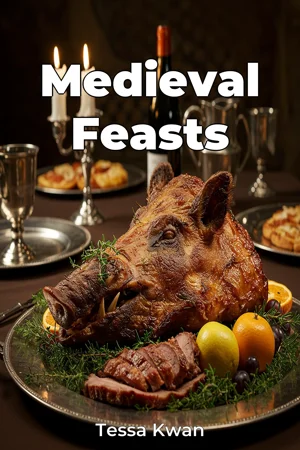
Ever wondered what really went on behind the closed doors of a medieval banquet? "Medieval Feasts" delves into the culinary world of kings and nobles, revealing not just what they ate, but how those meals shaped their power, politics, and perception of the world. This book explores the lavish banquets and peculiar delicacies that defined the medieval elite, uncovering a fascinating intersection of history and cooking. Our central thesis argues that medieval feasts were far more than simple acts of sustenance; they were carefully orchestrated performances of power, designed to reinforce social hierarchies, display wealth, and even influence political outcomes. To understand this, we will examine two key areas: the extravagance of medieval dining and the bizarre nature of some of the delicacies consumed. The sheer scale of these feasts demanded resources and organizational skill, which we will explore through historical accounts, recipes, and archaeological findings. Simultaneously, some of the food choices, often driven by beliefs about health, status, and the exotic, seem strange to modern sensibilities. Understanding these choices provides insight into the medieval mindset. To provide necessary context, the book will examine the socio-political structure of medieval society, the prevailing beliefs about diet and health, and the trade networks that supplied these extraordinary meals. No specific prerequisite knowledge is needed, but readers will gain a deeper appreciation if they are familiar with basic medieval European history. The book will first introduce the concept of the medieval feast as a multifaceted social event. It will then develop this idea across three major sections. The first section will detail the logistics of organizing a feast, including sourcing ingredients, managing staff, and designing the presentation. The second section will explore specific dishes and ingredients, explaining their cultural significance and perceived nutritional value. We will examine the use of spices, imported goods, and unusual meats, supported by medieval recipes adapted for the modern reader. The third section will analyze the role of feasts in political and social life, looking at case studies of specific events and the messages they were intended to convey. The conclusion will tie together these threads, demonstrating how medieval feasts were integral to power dynamics and social cohesion. The evidence presented will draw upon a variety of sources, including illuminated manuscripts, medieval cookbooks, archaeological finds, and contemporary accounts of feasts. Unique data sources include previously untranslated medieval recipes and detailed inventories of noble households. This book also connects to other fields such as art history (through the depiction of feasts in paintings and tapestries), anthropology (through the study of food as a cultural marker), and political science (through the analysis of power dynamics). These connections enrich the book’s argument by providing a broader understanding of the cultural context in which these feasts took place. Our approach stands out due to its focus on the practical and symbolic aspects of medieval feasting. By combining historical analysis with culinary reconstruction, the book offers a fresh perspective on a well-studied period. The tone will be informative and engaging, balancing scholarly rigor with accessibility. The writing style will be clear and concise, aiming to make complex historical information understandable to a general audience. The target audience includes food enthusiasts, history buffs, students of medieval studies, and anyone interested in the intersection of food and culture. The book’s value lies in its ability to provide a comprehensive and engaging overview of a fascinating aspect of medieval life. As a work of non-fiction history and cooking, the book will adhere to the genre's expectations of accuracy, objectivity, and thorough research as substantiated evidence. The scope of the book is limited to feasts of the European medieval nobility between approximately 1000 and 1500 AD. This intentional limit allows for a deeper investigation of a specific cultural and historical context. The recipes and detailed descriptions can be readily recreated by readers. The information can also be applied to understanding modern food culture and the role of meals in contemporary society. While the historical record provides detailed descriptions of some feasts, there is ongoing debate among historians about the accuracy and completeness of these accounts. The book will present a balanced view of these debates, acknowledging the limitations of the available evidence.
Ever wondered what really went on behind the closed doors of a medieval banquet? "Medieval Feasts" delves into the culinary world of kings and nobles, revealing not just what they ate, but how those meals shaped their power, politics, and perception of the world. This book explores the lavish banquets and peculiar delicacies that defined the medieval elite, uncovering a fascinating intersection of history and cooking. Our central thesis argues that medieval feasts were far more than simple acts of sustenance; they were carefully orchestrated performances of power, designed to reinforce social hierarchies, display wealth, and even influence political outcomes. To understand this, we will examine two key areas: the extravagance of medieval dining and the bizarre nature of some of the delicacies consumed. The sheer scale of these feasts demanded resources and organizational skill, which we will explore through historical accounts, recipes, and archaeological findings. Simultaneously, some of the food choices, often driven by beliefs about health, status, and the exotic, seem strange to modern sensibilities. Understanding these choices provides insight into the medieval mindset. To provide necessary context, the book will examine the socio-political structure of medieval society, the prevailing beliefs about diet and health, and the trade networks that supplied these extraordinary meals. No specific prerequisite knowledge is needed, but readers will gain a deeper appreciation if they are familiar with basic medieval European history. The book will first introduce the concept of the medieval feast as a multifaceted social event. It will then develop this idea across three major sections. The first section will detail the logistics of organizing a feast, including sourcing ingredients, managing staff, and designing the presentation. The second section will explore specific dishes and ingredients, explaining their cultural significance and perceived nutritional value. We will examine the use of spices, imported goods, and unusual meats, supported by medieval recipes adapted for the modern reader. The third section will analyze the role of feasts in political and social life, looking at case studies of specific events and the messages they were intended to convey. The conclusion will tie together these threads, demonstrating how medieval feasts were integral to power dynamics and social cohesion. The evidence presented will draw upon a variety of sources, including illuminated manuscripts, medieval cookbooks, archaeological finds, and contemporary accounts of feasts. Unique data sources include previously untranslated medieval recipes and detailed inventories of noble households. This book also connects to other fields such as art history (through the depiction of feasts in paintings and tapestries), anthropology (through the study of food as a cultural marker), and political science (through the analysis of power dynamics). These connections enrich the book’s argument by providing a broader understanding of the cultural context in which these feasts took place. Our approach stands out due to its focus on the practical and symbolic aspects of medieval feasting. By combining historical analysis with culinary reconstruction, the book offers a fresh perspective on a well-studied period. The tone will be informative and engaging, balancing scholarly rigor with accessibility. The writing style will be clear and concise, aiming to make complex historical information understandable to a general audience. The target audience includes food enthusiasts, history buffs, students of medieval studies, and anyone interested in the intersection of food and culture. The book’s value lies in its ability to provide a comprehensive and engaging overview of a fascinating aspect of medieval life. As a work of non-fiction history and cooking, the book will adhere to the genre's expectations of accuracy, objectivity, and thorough research as substantiated evidence. The scope of the book is limited to feasts of the European medieval nobility between approximately 1000 and 1500 AD. This intentional limit allows for a deeper investigation of a specific cultural and historical context. The recipes and detailed descriptions can be readily recreated by readers. The information can also be applied to understanding modern food culture and the role of meals in contemporary society. While the historical record provides detailed descriptions of some feasts, there is ongoing debate among historians about the accuracy and completeness of these accounts. The book will present a balanced view of these debates, acknowledging the limitations of the available evidence.
"Medieval Feasts" unveils the opulent dining experiences of medieval European kings and nobles, revealing how these events were much more than simple meals. They were carefully designed displays of power and wealth, integral to social hierarchies and even political maneuvering. The book explores how the sheer scale of these banquets required immense resources and organizational prowess. Furthermore, the seemingly bizarre delicacies consumed, driven by beliefs about health, status, and the exotic, offer a unique window into the medieval mindset. The book progresses by initially examining the logistics involved in organizing these grand feasts, from sourcing rare ingredients to managing extensive kitchen staff. It then delves into specific dishes and ingredients, explaining their cultural significance and perceived nutritional value. Finally, "Medieval Feasts" analyzes the role of these events in political and social life through case studies, demonstrating how they were essential to power dynamics and social cohesion, drawing from medieval cookbooks, archaeological finds, and illuminated manuscripts. This approach provides a fresh perspective by combining historical analysis with culinary insights, making it valuable for anyone interested in history, cooking, and the intersection of food and culture.
Book Details
ISBN
9788235265807
Publisher
Publifye AS
Your Licenses
You don't own any licenses for this book
Purchase a license below to unlock this book and download the EPUB.
Purchase License
Select a tier to unlock this book
Need bulk licensing?
Contact us for enterprise agreements.