
About This Book
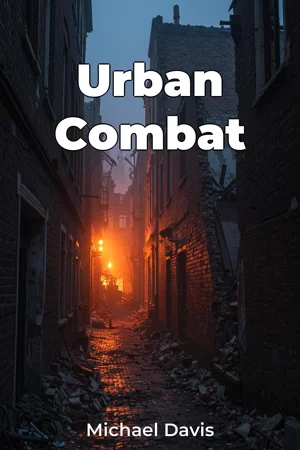
Have you ever wondered how the intricate choreography of urban warfare translates into the pulse-pounding action sequences of your favorite manga? This book, "Urban Combat," dissects the real-world tactics, strategies, and historical underpinnings of urban warfare to illuminate their surprising influence on the dynamic battles depicted in action manga set within cityscapes. We explore the crucial intersection of military history, art, and storytelling, revealing how the grim realities of combat have been subtly, and sometimes not so subtly, reimagined for entertainment. This study centers on three main concepts: the evolution of urban combat doctrine from its historical foundations to modern applications, the visual language used in manga to represent these tactical elements, and the socio-cultural factors that influence the adaptation and stylization of warfare for a primarily Japanese audience. These topics are crucial because they provide a framework for understanding not only the artistic choices made by manga creators but also the deeper cultural narratives surrounding conflict and heroism. Understanding the historical evolution of urban combat – from the barricades of revolutionary Paris to the brutal house-to-house fighting of Stalingrad and beyond – is essential. We will provide this context, assuming no prior military expertise on the reader's part. This historical backdrop will allow us to fully appreciate the nuances of how these strategies manifest in the fictional world of manga. Our central argument is that action manga, while demonstrably a work of fiction, often draws upon a surprisingly accurate, albeit stylized, depiction of urban combat principles. Understanding these principles enriches the reading experience and offers insights into the creative process behind these popular works. This argument is significant because it bridges the gap between seemingly disparate fields, providing a new lens through which to analyze both military history and popular culture. The book unfolds systematically. First, we introduce the core concepts of urban warfare, including key terms, historical examples, and the tactical considerations unique to different urban environments. Second, we explore how these concepts are translated into the visual vocabulary of manga, paying attention to elements such as panel layout, character positioning, and the depiction of weapons and environmental features. This section also includes case studies of specific manga series known for their detailed and realistic depictions of urban battles. Third, we analyze the cultural context, examining how Japanese attitudes toward warfare, heroism, and national identity shape the portrayal of urban conflict in manga. Finally, we consider the practical implications, offering a framework for readers to critically analyze other works of fiction and to appreciate the depth of research and artistic skill that goes into creating compelling action sequences. The evidence presented will be drawn from a variety of sources, including military training manuals, after-action reports from historical urban battles, interviews with military experts, and detailed analyses of selected manga series. We will employ a comparative methodology, juxtaposing real-world tactical doctrines with their representations in manga to identify patterns and deviations. This book also connects to fields such as sociology, media studies, and art history. The sociological aspect explores the cultural acceptance and interpretation of violence. Media studies examines how war is presented and consumed. Art history adds critical value by recognizing the stylistic choices manga artists make to represent urban combat. "Urban Combat" offers a unique perspective by examining the intersection of military history, art, and popular culture. We move beyond superficial observations to uncover the underlying principles that govern both real-world combat and its fictionalized representations. The tone is academic but accessible, aiming to inform and engage a broad audience. We will avoid jargon and technical terminology where possible, opting for clear and concise language. The target audience includes manga enthusiasts, military history buffs, art students, and anyone interested in the intersection of popular culture and real-world events. This book will be invaluable to readers seeking a deeper understanding of the influences that shape their favorite works of fiction. As a non-fiction work, "Urban Combat" adheres to standards of accuracy, evidence-based analysis, and intellectual honesty. We acknowledge the limitations of our scope, focusing primarily on Japanese manga and Western military doctrines, while acknowledging other global perspectives may exist. The information presented in this book has real-world applications for understanding media literacy, the influence of culture on entertainment, and how real-world events inspire imagination. While this book presents facts and verifiable information, debates continue regarding the ethics of representing violence in entertainment and the potential impact on viewers. These debates are acknowledged and addressed in the concluding chapter.
Have you ever wondered how the intricate choreography of urban warfare translates into the pulse-pounding action sequences of your favorite manga? This book, "Urban Combat," dissects the real-world tactics, strategies, and historical underpinnings of urban warfare to illuminate their surprising influence on the dynamic battles depicted in action manga set within cityscapes. We explore the crucial intersection of military history, art, and storytelling, revealing how the grim realities of combat have been subtly, and sometimes not so subtly, reimagined for entertainment. This study centers on three main concepts: the evolution of urban combat doctrine from its historical foundations to modern applications, the visual language used in manga to represent these tactical elements, and the socio-cultural factors that influence the adaptation and stylization of warfare for a primarily Japanese audience. These topics are crucial because they provide a framework for understanding not only the artistic choices made by manga creators but also the deeper cultural narratives surrounding conflict and heroism. Understanding the historical evolution of urban combat – from the barricades of revolutionary Paris to the brutal house-to-house fighting of Stalingrad and beyond – is essential. We will provide this context, assuming no prior military expertise on the reader's part. This historical backdrop will allow us to fully appreciate the nuances of how these strategies manifest in the fictional world of manga. Our central argument is that action manga, while demonstrably a work of fiction, often draws upon a surprisingly accurate, albeit stylized, depiction of urban combat principles. Understanding these principles enriches the reading experience and offers insights into the creative process behind these popular works. This argument is significant because it bridges the gap between seemingly disparate fields, providing a new lens through which to analyze both military history and popular culture. The book unfolds systematically. First, we introduce the core concepts of urban warfare, including key terms, historical examples, and the tactical considerations unique to different urban environments. Second, we explore how these concepts are translated into the visual vocabulary of manga, paying attention to elements such as panel layout, character positioning, and the depiction of weapons and environmental features. This section also includes case studies of specific manga series known for their detailed and realistic depictions of urban battles. Third, we analyze the cultural context, examining how Japanese attitudes toward warfare, heroism, and national identity shape the portrayal of urban conflict in manga. Finally, we consider the practical implications, offering a framework for readers to critically analyze other works of fiction and to appreciate the depth of research and artistic skill that goes into creating compelling action sequences. The evidence presented will be drawn from a variety of sources, including military training manuals, after-action reports from historical urban battles, interviews with military experts, and detailed analyses of selected manga series. We will employ a comparative methodology, juxtaposing real-world tactical doctrines with their representations in manga to identify patterns and deviations. This book also connects to fields such as sociology, media studies, and art history. The sociological aspect explores the cultural acceptance and interpretation of violence. Media studies examines how war is presented and consumed. Art history adds critical value by recognizing the stylistic choices manga artists make to represent urban combat. "Urban Combat" offers a unique perspective by examining the intersection of military history, art, and popular culture. We move beyond superficial observations to uncover the underlying principles that govern both real-world combat and its fictionalized representations. The tone is academic but accessible, aiming to inform and engage a broad audience. We will avoid jargon and technical terminology where possible, opting for clear and concise language. The target audience includes manga enthusiasts, military history buffs, art students, and anyone interested in the intersection of popular culture and real-world events. This book will be invaluable to readers seeking a deeper understanding of the influences that shape their favorite works of fiction. As a non-fiction work, "Urban Combat" adheres to standards of accuracy, evidence-based analysis, and intellectual honesty. We acknowledge the limitations of our scope, focusing primarily on Japanese manga and Western military doctrines, while acknowledging other global perspectives may exist. The information presented in this book has real-world applications for understanding media literacy, the influence of culture on entertainment, and how real-world events inspire imagination. While this book presents facts and verifiable information, debates continue regarding the ethics of representing violence in entertainment and the potential impact on viewers. These debates are acknowledged and addressed in the concluding chapter.
"Urban Combat" explores the surprising relationship between real-world military tactics and their depiction in action manga. It reveals how the intricate choreography of urban warfare, from historical battles to modern military doctrine, subtly influences the dynamic cityscapes and pulse-pounding action sequences found in popular Japanese comics. The book unpacks the evolution of urban combat, highlighting how elements like barricades reminiscent of revolutionary Paris or the intense house-to-house fighting seen in Stalingrad are reimagined for entertainment. This study delves into the visual language of manga, examining how artists translate complex military concepts into compelling imagery. It analyzes specific manga series, uncovering the surprisingly accurate, albeit stylized, depictions of urban combat principles. By bridging the gap between military history and popular culture, "Urban Combat" offers a new lens through which to analyze both fields, providing insights into the creative process and cultural narratives surrounding conflict. The book systematically progresses, first introducing core concepts of urban warfare and then exploring their visual representation in manga. It also analyzes the cultural context, examining how Japanese attitudes towards warfare shape the portrayal of urban conflict. This approach provides readers with a framework to critically analyze other works of fiction and appreciate the depth of research and artistic skill involved.
Book Details
ISBN
9788235265456
Publisher
Publifye AS
Your Licenses
You don't own any licenses for this book
Purchase a license below to unlock this book and download the EPUB.
Purchase License
Select a tier to unlock this book
Need bulk licensing?
Contact us for enterprise agreements.