
About This Book
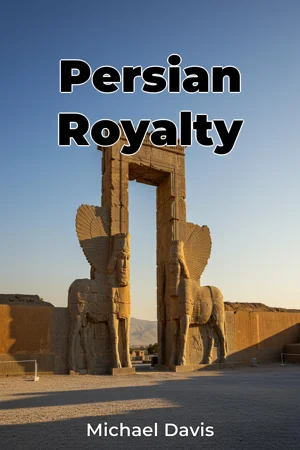
How did a succession of kings forge one of history's most influential empires? "Persian Royalty" delves into the multifaceted world of Persia's monarchs, exploring their profound impact on the political, social, and cultural landscape of the Middle East. This book examines the reigns of key figures, the intricate workings of Persian governance, and the lasting legacy of their influence across centuries. These topics are vital as they shed light on the foundations of modern geopolitical dynamics in the region and offer insights into the enduring relevance of Persian civilization. Understanding the Persian Empire requires an appreciation for its historical context. From the Achaemenid Empire's rise in the 6th century BCE to the fall of the Sasanian dynasty in the 7th century CE, Persia served as a crossroads of cultures and a center of power. This book presumes that the reader possesses a basic familiarity with ancient Middle Eastern geography and a general understanding of the timeline of ancient civilizations. The central argument of "Persian Royalty" is that the Persian monarchs, through their innovative administrative systems, religious policies, and promotion of the arts and sciences, significantly shaped the political and cultural identity of the Middle East. This argument is crucial because it challenges conventional narratives that often overlook the Persian Empire's contributions and focuses instead on a more Eurocentric view of history. This book is structured to provide a comprehensive overview of Persian royalty. It begins by introducing the concept of divine kingship and its manifestations in Persian society. The narrative then progresses through the major dynasties, dedicating chapters to specific monarchs and their contributions. These sections focus on the Achaemenids (Cyrus, Darius, Xerxes), the Parthians (Arsaces, Mithridates), and the Sasanians (Ardashir, Shapur, Khosrow), analyzing their military campaigns, legal reforms, and architectural achievements. The culmination of the argument demonstrates how these achievements collectively shaped the region's identity, while also considering the limitations and occasional failures of Persian rule. The evidence presented in "Persian Royalty" draws upon a wide range of primary sources, including royal inscriptions, archaeological findings, and ancient texts from Greek, Roman, and Persian historians. The book will also incorporate secondary scholarship from leading historians and archaeologists specializing in the ancient Middle East. Unique data sources, such as newly translated cuneiform tablets and recent archaeological discoveries, will be utilized to offer fresh perspectives on Persian history. "Persian Royalty" connects to other fields, including comparative religion (examining Zoroastrianism's influence), art history (analyzing Persian architectural and artistic styles), and political science (studying Persian administrative systems). These connections enhance the book's argument by providing a more nuanced understanding of the cultural and political factors that shaped the Persian Empire. The book adopts a balanced and objective tone, presenting information in a clear and accessible manner. While grounded in scholarly research, the writing style aims to engage a broad audience interested in history, politics, and world cultures. The target audience includes history enthusiasts, students of Middle Eastern studies, and general readers seeking a deeper understanding of Persian history. This book would be valuable to them because it provides a comprehensive and accessible account of Persian royalty, challenging existing narratives and offering fresh insights into the region's past. As a work of historical non-fiction, "Persian Royalty" adheres to the conventions of accuracy, objectivity, and thorough research. It aims to present a balanced and nuanced account of Persian history, avoiding romanticized or biased portrayals. The scope of "Persian Royalty" is limited to the major dynasties and key monarchs who shaped the Persian Empire. It does not delve into the intricate details of every single ruler or explore every aspect of Persian society but rather focuses on the central theme of royal power and influence. The information in "Persian Royalty" can be applied practically by readers seeking to understand the historical roots of contemporary political issues in the Middle East. It also offers valuable insights into the nature of leadership, governance, and cultural exchange. One ongoing debate in the field concerns the interpretation of certain historical events, such as the Persian Wars with Greece. "Persian Royalty" addresses these controversies by presenting different perspectives and offering a balanced assessment of the available evidence.
How did a succession of kings forge one of history's most influential empires? "Persian Royalty" delves into the multifaceted world of Persia's monarchs, exploring their profound impact on the political, social, and cultural landscape of the Middle East. This book examines the reigns of key figures, the intricate workings of Persian governance, and the lasting legacy of their influence across centuries. These topics are vital as they shed light on the foundations of modern geopolitical dynamics in the region and offer insights into the enduring relevance of Persian civilization. Understanding the Persian Empire requires an appreciation for its historical context. From the Achaemenid Empire's rise in the 6th century BCE to the fall of the Sasanian dynasty in the 7th century CE, Persia served as a crossroads of cultures and a center of power. This book presumes that the reader possesses a basic familiarity with ancient Middle Eastern geography and a general understanding of the timeline of ancient civilizations. The central argument of "Persian Royalty" is that the Persian monarchs, through their innovative administrative systems, religious policies, and promotion of the arts and sciences, significantly shaped the political and cultural identity of the Middle East. This argument is crucial because it challenges conventional narratives that often overlook the Persian Empire's contributions and focuses instead on a more Eurocentric view of history. This book is structured to provide a comprehensive overview of Persian royalty. It begins by introducing the concept of divine kingship and its manifestations in Persian society. The narrative then progresses through the major dynasties, dedicating chapters to specific monarchs and their contributions. These sections focus on the Achaemenids (Cyrus, Darius, Xerxes), the Parthians (Arsaces, Mithridates), and the Sasanians (Ardashir, Shapur, Khosrow), analyzing their military campaigns, legal reforms, and architectural achievements. The culmination of the argument demonstrates how these achievements collectively shaped the region's identity, while also considering the limitations and occasional failures of Persian rule. The evidence presented in "Persian Royalty" draws upon a wide range of primary sources, including royal inscriptions, archaeological findings, and ancient texts from Greek, Roman, and Persian historians. The book will also incorporate secondary scholarship from leading historians and archaeologists specializing in the ancient Middle East. Unique data sources, such as newly translated cuneiform tablets and recent archaeological discoveries, will be utilized to offer fresh perspectives on Persian history. "Persian Royalty" connects to other fields, including comparative religion (examining Zoroastrianism's influence), art history (analyzing Persian architectural and artistic styles), and political science (studying Persian administrative systems). These connections enhance the book's argument by providing a more nuanced understanding of the cultural and political factors that shaped the Persian Empire. The book adopts a balanced and objective tone, presenting information in a clear and accessible manner. While grounded in scholarly research, the writing style aims to engage a broad audience interested in history, politics, and world cultures. The target audience includes history enthusiasts, students of Middle Eastern studies, and general readers seeking a deeper understanding of Persian history. This book would be valuable to them because it provides a comprehensive and accessible account of Persian royalty, challenging existing narratives and offering fresh insights into the region's past. As a work of historical non-fiction, "Persian Royalty" adheres to the conventions of accuracy, objectivity, and thorough research. It aims to present a balanced and nuanced account of Persian history, avoiding romanticized or biased portrayals. The scope of "Persian Royalty" is limited to the major dynasties and key monarchs who shaped the Persian Empire. It does not delve into the intricate details of every single ruler or explore every aspect of Persian society but rather focuses on the central theme of royal power and influence. The information in "Persian Royalty" can be applied practically by readers seeking to understand the historical roots of contemporary political issues in the Middle East. It also offers valuable insights into the nature of leadership, governance, and cultural exchange. One ongoing debate in the field concerns the interpretation of certain historical events, such as the Persian Wars with Greece. "Persian Royalty" addresses these controversies by presenting different perspectives and offering a balanced assessment of the available evidence.
"Persian Royalty" explores the significant role Persia's monarchs played in shaping the Middle East's political landscape and cultural identity. The book examines how rulers like Cyrus the Great, Darius, and Xerxes influenced the region through innovative administrative systems, religious policies, and the promotion of arts and sciences, challenging Eurocentric views of history. The Achaemenid Empire, for instance, implemented a postal system akin to a modern delivery service, while Zoroastrianism's influence on Persian society highlights the era's religious complexity. The book progresses chronologically through major dynasties, including the Achaemenids, Parthians, and Sasanians, detailing their military campaigns, legal reforms, and architectural achievements. It draws upon royal inscriptions, archaeological findings, and ancient texts to offer a comprehensive overview. By connecting Persian history to comparative religion, art history, and political science, "Persian Royalty" provides a nuanced understanding of the factors that shaped this influential empire, making it valuable for history enthusiasts and students alike.
Book Details
ISBN
9788235265418
Publisher
Publifye AS
Your Licenses
You don't own any licenses for this book
Purchase a license below to unlock this book and download the EPUB.
Purchase License
Select a tier to unlock this book
Need bulk licensing?
Contact us for enterprise agreements.