
About This Book
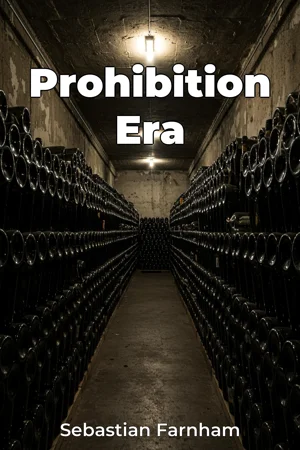
Did the "noble experiment" of alcohol prohibition in the United States truly curb social ills, or did it inadvertently fuel a surge in organized crime and economic instability? "Prohibition Era" delves into this complex period of American history, exploring the multifaceted impact of the 18th Amendment and its subsequent repeal. This book examines the core issues that shaped the era: the rise of organized crime, the economic consequences of prohibition, and the political factors that ultimately led to its demise. Understanding these elements is crucial for comprehending the unintended consequences of well-intentioned policies and the delicate balance between law, morality, and individual liberty. This book provides historical context, examining the temperance movement's origins and its social and religious underpinnings. It explains how this movement gained momentum, culminating in the passage of the Volstead Act, which outlined the practical means of enforcing prohibition. Readers will gain an understanding of the cultural landscape that made prohibition both possible and, eventually, unsustainable. "Prohibition Era" argues that while proponents aimed to create a more virtuous society, the experiment ultimately backfired, leading to widespread lawlessness and a profound disrespect for the legal system. This key message is vital for policymakers and citizens alike, as it demonstrates the importance of considering potential negative outcomes when implementing sweeping social reforms. The book is structured to systematically analyze this historical period. It begins by introducing prohibition's origins and the key figures involved. Subsequent chapters detail: (1) the surge in organized crime, focusing on infamous figures and their empires, and how prohibition provided a lucrative black market; (2) the economic repercussions, including the loss of tax revenue and the impact on industries such as brewing and distilling; and (3) the growing public discontent and the political movement that ultimately led to the 21st Amendment, repealing prohibition. The book culminates by exploring the long-term legacies of prohibition, including its influence on law enforcement and the ongoing debate about government regulation of personal behavior. The analysis presented is supported by a wide range of primary and secondary sources, including government documents, newspaper articles, personal accounts, and scholarly research. Statistical data on crime rates, alcohol consumption, and economic indicators are used to provide empirical evidence for the book's claims. This book connects to fields such as criminology, economics, and political science. Criminology can provide insights into the causes and consequences of organized crime. Economic principles help explain the unintended market effects of prohibition. Political science frameworks are used to analyze the legislative and social movements that shaped the era. These interdisciplinary connections enrich the analysis and offer a more complete understanding of prohibition's complexities. "Prohibition Era" stands out by taking a balanced approach. It acknowledges the good intentions of the temperance movement while critically examining the practical failures of prohibition. This nuanced perspective avoids simplistic narratives and offers readers a more sophisticated understanding of this pivotal moment in American history. Written in a clear and accessible style, "Prohibition Era" is intended for a broad audience, including students, history enthusiasts, and anyone interested in understanding the complexities of American social policy. It offers valuable insights for those studying law, public policy, or American history. This book adheres to the conventions of historical non-fiction, presenting factual information in an objective and well-documented manner. While the book provides a comprehensive overview of the prohibition era, it focuses primarily on the United States, with limited discussion of prohibition efforts in other countries. The lessons learned from prohibition have real-world applications today. By understanding the unintended consequences of this experiment, readers can better evaluate current debates about government regulation and personal freedoms. The book also sheds light on the ongoing challenges of combating organized crime and addressing substance abuse. The prohibition era remains a subject of debate, with some arguing that it was a noble failure and others claiming that it was a disaster from the start. This book addresses these competing viewpoints, presenting evidence and analysis to help readers form their own informed opinions.
Did the "noble experiment" of alcohol prohibition in the United States truly curb social ills, or did it inadvertently fuel a surge in organized crime and economic instability? "Prohibition Era" delves into this complex period of American history, exploring the multifaceted impact of the 18th Amendment and its subsequent repeal. This book examines the core issues that shaped the era: the rise of organized crime, the economic consequences of prohibition, and the political factors that ultimately led to its demise. Understanding these elements is crucial for comprehending the unintended consequences of well-intentioned policies and the delicate balance between law, morality, and individual liberty. This book provides historical context, examining the temperance movement's origins and its social and religious underpinnings. It explains how this movement gained momentum, culminating in the passage of the Volstead Act, which outlined the practical means of enforcing prohibition. Readers will gain an understanding of the cultural landscape that made prohibition both possible and, eventually, unsustainable. "Prohibition Era" argues that while proponents aimed to create a more virtuous society, the experiment ultimately backfired, leading to widespread lawlessness and a profound disrespect for the legal system. This key message is vital for policymakers and citizens alike, as it demonstrates the importance of considering potential negative outcomes when implementing sweeping social reforms. The book is structured to systematically analyze this historical period. It begins by introducing prohibition's origins and the key figures involved. Subsequent chapters detail: (1) the surge in organized crime, focusing on infamous figures and their empires, and how prohibition provided a lucrative black market; (2) the economic repercussions, including the loss of tax revenue and the impact on industries such as brewing and distilling; and (3) the growing public discontent and the political movement that ultimately led to the 21st Amendment, repealing prohibition. The book culminates by exploring the long-term legacies of prohibition, including its influence on law enforcement and the ongoing debate about government regulation of personal behavior. The analysis presented is supported by a wide range of primary and secondary sources, including government documents, newspaper articles, personal accounts, and scholarly research. Statistical data on crime rates, alcohol consumption, and economic indicators are used to provide empirical evidence for the book's claims. This book connects to fields such as criminology, economics, and political science. Criminology can provide insights into the causes and consequences of organized crime. Economic principles help explain the unintended market effects of prohibition. Political science frameworks are used to analyze the legislative and social movements that shaped the era. These interdisciplinary connections enrich the analysis and offer a more complete understanding of prohibition's complexities. "Prohibition Era" stands out by taking a balanced approach. It acknowledges the good intentions of the temperance movement while critically examining the practical failures of prohibition. This nuanced perspective avoids simplistic narratives and offers readers a more sophisticated understanding of this pivotal moment in American history. Written in a clear and accessible style, "Prohibition Era" is intended for a broad audience, including students, history enthusiasts, and anyone interested in understanding the complexities of American social policy. It offers valuable insights for those studying law, public policy, or American history. This book adheres to the conventions of historical non-fiction, presenting factual information in an objective and well-documented manner. While the book provides a comprehensive overview of the prohibition era, it focuses primarily on the United States, with limited discussion of prohibition efforts in other countries. The lessons learned from prohibition have real-world applications today. By understanding the unintended consequences of this experiment, readers can better evaluate current debates about government regulation and personal freedoms. The book also sheds light on the ongoing challenges of combating organized crime and addressing substance abuse. The prohibition era remains a subject of debate, with some arguing that it was a noble failure and others claiming that it was a disaster from the start. This book addresses these competing viewpoints, presenting evidence and analysis to help readers form their own informed opinions.
The "Prohibition Era" in the United States, a period defined by the 18th Amendment and the Volstead Act, aimed to eliminate alcohol consumption but instead fostered unintended consequences. This book delves into the complex history, exploring how the temperance movement's idealistic goals clashed with the realities of organized crime and economic instability. Readers will gain insights into the rise of infamous figures who capitalized on the black market created by prohibition, and the economic repercussions that included significant losses in tax revenue. The book examines the political factors that eventually led to the 21st Amendment, repealing prohibition. It systematically analyzes the era, beginning with the origins of the temperance movement and progressing through the surge in lawlessness and the economic impact, providing a balanced approach by acknowledging the movement's initial intentions while critically assessing the policy's ultimate failures. The analysis is supported by diverse sources, including government documents and statistical data, to offer a comprehensive understanding. Ultimately, the book underscores the importance of considering potential negative outcomes when implementing sweeping social reforms. By understanding the political and social factors that shaped this unique period in American history, readers can draw valuable lessons applicable to contemporary debates about government regulation and individual liberties.
Book Details
ISBN
9788235265227
Publisher
Publifye AS
Your Licenses
You don't own any licenses for this book
Purchase a license below to unlock this book and download the EPUB.
Purchase License
Select a tier to unlock this book
Need bulk licensing?
Contact us for enterprise agreements.