
About This Book
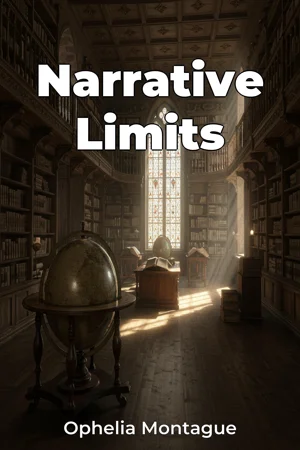
Can stories based on fact ever truly escape the bounds of their origins and their telling? *Narrative Limits* delves into the inherent constraints that source material and structural frameworks impose on fact-based storytelling, examining how these limitations shape our understanding of reality as presented through literary collections, journalism, and essays. This book centers on three primary concepts: the fidelity of narratives to their source material, the impact of structural choices on conveying truth, and the ethical considerations surrounding factual storytelling. These topics are significant because, in an era saturated with information and misinformation, understanding the inherent biases and limitations of narrative forms is crucial for critical thinking and informed decision-making. We begin by establishing a historical context for fact-based storytelling, tracing its evolution from early forms of journalism and historical accounts to contemporary literary essays and investigative reports. Readers will need a basic understanding of narrative theory and the principles of journalistic integrity, which will be clarified in the opening chapters. The central argument of *Narrative Limits* posits that while fact-based storytelling strives for objectivity, the selection, arrangement, and interpretation of facts are inevitably influenced by the storyteller’s perspective, the available source material, and the chosen narrative structure. This influence, while not necessarily malicious, fundamentally shapes the narrative and limits its claim to absolute truth. The book's argument is vital because it encourages a more nuanced and critical approach to consuming and producing factual narratives. The book is structured in three parts, examining different facets of the narrative limits. First, we introduce the core concepts of source fidelity, structural influence, and ethical considerations. Second, we will explore source material limitations, from incomplete historical records to biased eyewitness accounts, demonstrating how these limitations impact the stories that can be told. The book further explores the effects of narrative structure, analyzing how different frameworks, such as chronological order, thematic organization, or dramatic arcs, can emphasize certain aspects of a story while obscuring others. Third, the book comes to a point on the ethical issues involved, including the responsibility of storytellers to acknowledge their biases and the potential consequences of manipulating facts for narrative effect. The book culminates by discussing practical applications for evaluating and creating more responsible and critically-aware fact-based narratives. *Narrative Limits* draws on a diverse range of evidence, including case studies of journalistic investigations, analyses of literary essays, and comparisons of different accounts of historical events. We also incorporate meta-analyses of existing research on narrative bias and the psychology of perception. Unique data sources include archival materials from specific historical events and interviews with journalists and essayists about their storytelling processes. This book connects to several other fields, including media studies, history, and ethics. Media studies provide a theoretical framework for understanding how narratives are constructed and consumed. History offers a wealth of examples of how historical events have been interpreted and reinterpreted through different narrative lenses. Ethics raises fundamental questions about the responsibilities of storytellers and the potential harms of biased or manipulated narratives. These connections enrich the book's argument by providing multiple perspectives on the challenges and complexities of fact-based storytelling *Narrative Limits* offers an innovative perspective by examining the interplay between source material and structure as the primary sources of limitations in fact-based narrative. This viewpoint challenges the traditional focus on individual biases and intentions, highlighting the more systemic and inherent limitations of narrative forms. The book employs a balanced tone, blending academic rigor with accessible prose. The target audience includes students and scholars of journalism, literature, and media studies, as well as working journalists, essayists, and anyone interested in critical thinking and media literacy. It will be valuable to readers who wish to develop a more sophisticated understanding of how stories are constructed and how they shape our perceptions of reality. As a work of literary collections and journalism, the book adheres to the conventions of thorough research, clear argumentation, and engaging storytelling. It also recognizes the importance of maintaining journalistic integrity and adhering to ethical principles. The scope of *Narrative Limits* as a book is confined to a specific set of examples and case studies within these genres. Readers can apply the book’s insights to their own lives by becoming more discerning consumers of news and information, more critical evaluators of narrative claims, and more responsible storytellers themselves. The book will address ongoing debates about objectivity in journalism, the role of narrative in shaping historical memory, and the ethics of creative non-fiction. These discussions will encourage readers to engage with the complexities of fact-based storytelling and to form their own informed opinions on these important issues.
Can stories based on fact ever truly escape the bounds of their origins and their telling? *Narrative Limits* delves into the inherent constraints that source material and structural frameworks impose on fact-based storytelling, examining how these limitations shape our understanding of reality as presented through literary collections, journalism, and essays. This book centers on three primary concepts: the fidelity of narratives to their source material, the impact of structural choices on conveying truth, and the ethical considerations surrounding factual storytelling. These topics are significant because, in an era saturated with information and misinformation, understanding the inherent biases and limitations of narrative forms is crucial for critical thinking and informed decision-making. We begin by establishing a historical context for fact-based storytelling, tracing its evolution from early forms of journalism and historical accounts to contemporary literary essays and investigative reports. Readers will need a basic understanding of narrative theory and the principles of journalistic integrity, which will be clarified in the opening chapters. The central argument of *Narrative Limits* posits that while fact-based storytelling strives for objectivity, the selection, arrangement, and interpretation of facts are inevitably influenced by the storyteller’s perspective, the available source material, and the chosen narrative structure. This influence, while not necessarily malicious, fundamentally shapes the narrative and limits its claim to absolute truth. The book's argument is vital because it encourages a more nuanced and critical approach to consuming and producing factual narratives. The book is structured in three parts, examining different facets of the narrative limits. First, we introduce the core concepts of source fidelity, structural influence, and ethical considerations. Second, we will explore source material limitations, from incomplete historical records to biased eyewitness accounts, demonstrating how these limitations impact the stories that can be told. The book further explores the effects of narrative structure, analyzing how different frameworks, such as chronological order, thematic organization, or dramatic arcs, can emphasize certain aspects of a story while obscuring others. Third, the book comes to a point on the ethical issues involved, including the responsibility of storytellers to acknowledge their biases and the potential consequences of manipulating facts for narrative effect. The book culminates by discussing practical applications for evaluating and creating more responsible and critically-aware fact-based narratives. *Narrative Limits* draws on a diverse range of evidence, including case studies of journalistic investigations, analyses of literary essays, and comparisons of different accounts of historical events. We also incorporate meta-analyses of existing research on narrative bias and the psychology of perception. Unique data sources include archival materials from specific historical events and interviews with journalists and essayists about their storytelling processes. This book connects to several other fields, including media studies, history, and ethics. Media studies provide a theoretical framework for understanding how narratives are constructed and consumed. History offers a wealth of examples of how historical events have been interpreted and reinterpreted through different narrative lenses. Ethics raises fundamental questions about the responsibilities of storytellers and the potential harms of biased or manipulated narratives. These connections enrich the book's argument by providing multiple perspectives on the challenges and complexities of fact-based storytelling *Narrative Limits* offers an innovative perspective by examining the interplay between source material and structure as the primary sources of limitations in fact-based narrative. This viewpoint challenges the traditional focus on individual biases and intentions, highlighting the more systemic and inherent limitations of narrative forms. The book employs a balanced tone, blending academic rigor with accessible prose. The target audience includes students and scholars of journalism, literature, and media studies, as well as working journalists, essayists, and anyone interested in critical thinking and media literacy. It will be valuable to readers who wish to develop a more sophisticated understanding of how stories are constructed and how they shape our perceptions of reality. As a work of literary collections and journalism, the book adheres to the conventions of thorough research, clear argumentation, and engaging storytelling. It also recognizes the importance of maintaining journalistic integrity and adhering to ethical principles. The scope of *Narrative Limits* as a book is confined to a specific set of examples and case studies within these genres. Readers can apply the book’s insights to their own lives by becoming more discerning consumers of news and information, more critical evaluators of narrative claims, and more responsible storytellers themselves. The book will address ongoing debates about objectivity in journalism, the role of narrative in shaping historical memory, and the ethics of creative non-fiction. These discussions will encourage readers to engage with the complexities of fact-based storytelling and to form their own informed opinions on these important issues.
"Narrative Limits" explores the unavoidable constraints that shape fact-based storytelling in journalism, literary essays, and various accounts. It argues that narratives, while striving for objectivity, are inevitably influenced by the available source material and the storyteller's chosen narrative structure. This influence, though not inherently malicious, fundamentally shapes the narrative and limits its claim to absolute truth. The book uniquely examines how these limitations affect our understanding of reality. The book progresses by first introducing the core concepts of source fidelity, structural influence, and ethical considerations. It then explores how incomplete historical records or biased eyewitness accounts affect the stories that can be told, followed by analysis of how narrative structures like chronological order or thematic organization can emphasize certain aspects of a story while obscuring others. Finally, it addresses ethical issues, such as acknowledging biases and the potential consequences of manipulating facts. "Narrative Limits" offers a critical perspective on journalistic integrity and narrative bias. By examining diverse examples and case studies, the book encourages readers to think critically about the narratives they consume and to become more responsible storytellers themselves.
Book Details
ISBN
9788235265159
Publisher
Publifye AS
Your Licenses
You don't own any licenses for this book
Purchase a license below to unlock this book and download the EPUB.
Purchase License
Select a tier to unlock this book
Need bulk licensing?
Contact us for enterprise agreements.