
About This Book
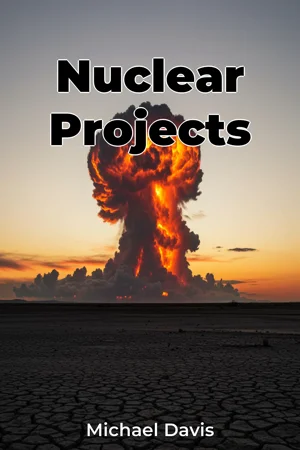
How did the pursuit of unimaginable power reshape the 20th century and continue to cast a long shadow over global politics? "Nuclear Projects" delves into the complex and often secretive world of nuclear weapons development, exploring their profound impact on international relations, military strategy, and human history. This book examines the intricate web of scientific innovation, political maneuvering, and ideological conflict that fueled the nuclear arms race, a competition with consequences that continue to define our world. Three central themes underpin this exploration: the scientific breakthroughs that made nuclear weapons possible, the intense political pressures that drove their development and deployment, and the military strategies predicated on their existence. Understanding these themes is crucial to comprehending not only the past but also the present and future of nuclear proliferation and disarmament efforts. The narrative unfolds against the backdrop of World War II and the subsequent Cold War, periods of intense global uncertainty and ideological struggle. The book assumes a basic familiarity with the historical context of these eras, but meticulously details the scientific principles behind nuclear fission and fusion, crucial for understanding the destructive potential that world leaders sought to harness. "Nuclear Projects" argues that the development and deployment of nuclear weapons represent a pivotal turning point in human history, fundamentally altering the nature of warfare and international diplomacy. The book contends that the pursuit of nuclear supremacy, driven by a complex mix of fear, ambition, and strategic calculation, has created a world teetering on the brink of potential self-destruction. The book begins by examining the scientific breakthroughs that paved the way for nuclear weapons, from the early theoretical work of physicists like Einstein and Bohr to the practical challenges of uranium enrichment and reactor design. It then explores the Manhattan Project, detailing the immense scale and complexity of this undertaking, as well as the ethical dilemmas faced by the scientists involved. The narrative proceeds to analyze the political decisions that led to the use of atomic bombs on Hiroshima and Nagasaki, examining the motivations and consequences of this controversial act. The subsequent chapters dissect the Cold War arms race, focusing on the development of the hydrogen bomb, the doctrine of Mutually Assured Destruction (MAD), and the various attempts at arms control and disarmament. The book culminates by considering the contemporary challenges of nuclear proliferation, terrorism, and the ongoing efforts to secure and dismantle nuclear weapons stockpiles. This book relies on a wide range of primary and secondary sources, including declassified government documents, scientific reports, memoirs of key figures, and scholarly analyses of the nuclear age. It meticulously examines the decision-making processes of political and military leaders, as well as the scientific and technological developments that shaped the nuclear landscape. "Nuclear Projects" connects to diverse fields such as international relations, security studies, science and technology studies, and ethics. By examining the interplay of these disciplines, the book offers a holistic understanding of the nuclear phenomenon. This book distinguishes itself by offering a balanced and nuanced perspective on the history of nuclear weapons, avoiding simplistic narratives and acknowledging the complexities and contradictions inherent in this subject. The tone is academic but accessible, aiming to inform and engage a broad readership interested in history, politics, and military affairs. The target audience includes students, scholars, policymakers, and anyone interested in understanding the history and ongoing implications of nuclear weapons. This book offers valuable insights into the forces that have shaped the nuclear age and the challenges we face in managing this dangerous technology. As a work of military and political history, this book adheres to the conventions of rigorous scholarship, providing detailed accounts of events, thorough analysis of primary sources, and clear articulation of arguments. The scope of "Nuclear Projects" is primarily focused on the period from the 1930s to the present day, with an emphasis on the United States, the Soviet Union/Russia, and other major nuclear powers. While acknowledging the role of other nations in the nuclear proliferation landscape, the book does not attempt to provide an exhaustive account of every nuclear program worldwide. The lessons learned from the history of nuclear weapons can be applied to contemporary challenges such as cyber warfare, artificial intelligence, and other emerging technologies with the potential for mass destruction. By understanding the dynamics of the nuclear arms race, we can better navigate the ethical and strategic dilemmas posed by these new technologies. The book will address ongoing debates surrounding the use of nuclear weapons in World War II, the effectiveness of deterrence theory, and the feasibility of complete nuclear disarmament. By presenting a range of perspectives on these controversial issues, "Nuclear Projects" aims to foster informed discussion and critical thinking.
How did the pursuit of unimaginable power reshape the 20th century and continue to cast a long shadow over global politics? "Nuclear Projects" delves into the complex and often secretive world of nuclear weapons development, exploring their profound impact on international relations, military strategy, and human history. This book examines the intricate web of scientific innovation, political maneuvering, and ideological conflict that fueled the nuclear arms race, a competition with consequences that continue to define our world. Three central themes underpin this exploration: the scientific breakthroughs that made nuclear weapons possible, the intense political pressures that drove their development and deployment, and the military strategies predicated on their existence. Understanding these themes is crucial to comprehending not only the past but also the present and future of nuclear proliferation and disarmament efforts. The narrative unfolds against the backdrop of World War II and the subsequent Cold War, periods of intense global uncertainty and ideological struggle. The book assumes a basic familiarity with the historical context of these eras, but meticulously details the scientific principles behind nuclear fission and fusion, crucial for understanding the destructive potential that world leaders sought to harness. "Nuclear Projects" argues that the development and deployment of nuclear weapons represent a pivotal turning point in human history, fundamentally altering the nature of warfare and international diplomacy. The book contends that the pursuit of nuclear supremacy, driven by a complex mix of fear, ambition, and strategic calculation, has created a world teetering on the brink of potential self-destruction. The book begins by examining the scientific breakthroughs that paved the way for nuclear weapons, from the early theoretical work of physicists like Einstein and Bohr to the practical challenges of uranium enrichment and reactor design. It then explores the Manhattan Project, detailing the immense scale and complexity of this undertaking, as well as the ethical dilemmas faced by the scientists involved. The narrative proceeds to analyze the political decisions that led to the use of atomic bombs on Hiroshima and Nagasaki, examining the motivations and consequences of this controversial act. The subsequent chapters dissect the Cold War arms race, focusing on the development of the hydrogen bomb, the doctrine of Mutually Assured Destruction (MAD), and the various attempts at arms control and disarmament. The book culminates by considering the contemporary challenges of nuclear proliferation, terrorism, and the ongoing efforts to secure and dismantle nuclear weapons stockpiles. This book relies on a wide range of primary and secondary sources, including declassified government documents, scientific reports, memoirs of key figures, and scholarly analyses of the nuclear age. It meticulously examines the decision-making processes of political and military leaders, as well as the scientific and technological developments that shaped the nuclear landscape. "Nuclear Projects" connects to diverse fields such as international relations, security studies, science and technology studies, and ethics. By examining the interplay of these disciplines, the book offers a holistic understanding of the nuclear phenomenon. This book distinguishes itself by offering a balanced and nuanced perspective on the history of nuclear weapons, avoiding simplistic narratives and acknowledging the complexities and contradictions inherent in this subject. The tone is academic but accessible, aiming to inform and engage a broad readership interested in history, politics, and military affairs. The target audience includes students, scholars, policymakers, and anyone interested in understanding the history and ongoing implications of nuclear weapons. This book offers valuable insights into the forces that have shaped the nuclear age and the challenges we face in managing this dangerous technology. As a work of military and political history, this book adheres to the conventions of rigorous scholarship, providing detailed accounts of events, thorough analysis of primary sources, and clear articulation of arguments. The scope of "Nuclear Projects" is primarily focused on the period from the 1930s to the present day, with an emphasis on the United States, the Soviet Union/Russia, and other major nuclear powers. While acknowledging the role of other nations in the nuclear proliferation landscape, the book does not attempt to provide an exhaustive account of every nuclear program worldwide. The lessons learned from the history of nuclear weapons can be applied to contemporary challenges such as cyber warfare, artificial intelligence, and other emerging technologies with the potential for mass destruction. By understanding the dynamics of the nuclear arms race, we can better navigate the ethical and strategic dilemmas posed by these new technologies. The book will address ongoing debates surrounding the use of nuclear weapons in World War II, the effectiveness of deterrence theory, and the feasibility of complete nuclear disarmament. By presenting a range of perspectives on these controversial issues, "Nuclear Projects" aims to foster informed discussion and critical thinking.
"Nuclear Projects" examines the development and impact of nuclear weapons, revealing how the pursuit of this immense power reshaped the 20th century and continues to influence global politics. The book explores the scientific breakthroughs, intense political pressures, and evolving military strategies that fueled the nuclear arms race. It highlights how the Manhattan Project, a massive undertaking during World War II, not only produced the first atomic bombs but also presented profound ethical dilemmas for the scientists involved. The text argues that nuclear weapons represent a pivotal turning point in human history, fundamentally altering warfare and international diplomacy. The book begins by detailing the scientific foundations of nuclear weapons, moving through the Manhattan Project, and analyzing the controversial decisions to use atomic bombs. Subsequent chapters dissect the Cold War arms race, the doctrine of Mutually Assured Destruction, and various attempts at arms control. "Nuclear Projects" concludes by considering contemporary challenges like nuclear proliferation and terrorism. The book offers a balanced perspective, drawing on declassified documents, scientific reports, and memoirs to provide a holistic understanding of the nuclear phenomenon and its continuing impact.
Book Details
ISBN
9788235265128
Publisher
Publifye AS
Your Licenses
You don't own any licenses for this book
Purchase a license below to unlock this book and download the EPUB.
Purchase License
Select a tier to unlock this book
Need bulk licensing?
Contact us for enterprise agreements.