
About This Book
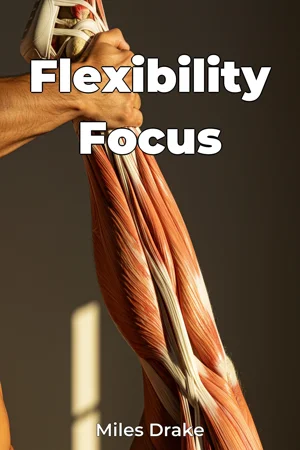
Are you a man who's tired of feeling stiff, battling nagging injuries, or simply wanting to move with greater ease and power? "Flexibility Focus" provides targeted stretching and mobility routines specifically designed to improve flexibility and reduce injury risk in men, addressing a crucial aspect of physical fitness often overlooked. This book explores the science-backed methods to enhance your range of motion, prevent injuries, and unlock your physical potential. The book centers on three core concepts: the science of stretching, the importance of mobility, and the development of tailored routines. The science of stretching delves into different stretching techniques (static, dynamic, PNF) and their impact on muscle physiology, explaining how each type affects flexibility and recovery. Mobility, often confused with flexibility, focuses on joint range of motion and the interplay of muscles, tendons, and ligaments; this section highlights mobility exercises that enhance joint health and stability. Finally, the book emphasizes the creation of personalized routines based on individual needs, fitness levels, and specific athletic goals. These elements are important because improved flexibility and mobility not only enhance athletic performance but also contribute to long-term joint health, reduce the risk of musculoskeletal injuries, and improve overall quality of life. "Flexibility Focus" builds upon the established principles of exercise science and sports medicine. It acknowledges the historical emphasis on strength and power in men's fitness, which sometimes leads to neglecting flexibility and mobility. While strength training is crucial, this text argues that a balanced approach incorporating flexibility and mobility work is essential for optimal physical function and injury prevention. Readers should have a basic understanding of anatomy and exercise principles, although the book will provide foundational knowledge where necessary. This book argues that targeted flexibility and mobility training is not just an adjunct to traditional fitness regimens but a fundamental component of overall physical well-being for men. By improving range of motion, joint health, and muscle elasticity, men can significantly reduce their risk of injury, enhance athletic performance, and maintain physical function throughout their lives. This argument is vital because it challenges conventional notions of "masculine" fitness and promotes a more holistic, sustainable approach to physical health. The book begins by introducing the core concepts of flexibility, mobility, and the science behind stretching. It then progresses into detailed explanations of various stretching and mobility techniques, including step-by-step instructions and illustrative photographs. Major sections include: (1) assessing your current flexibility and mobility levels through self-assessment tests; (2) exploring stretching techniques for key muscle groups commonly tight in men, such as hamstrings, hip flexors, and shoulders; (3) outlining mobility exercises for major joints, focusing on improving range of motion and stability. The book culminates in providing sample routines tailored to different fitness levels and athletic activities, with guidance on how to customize these routines to individual needs. Practical applications are further emphasized by providing modification and progression strategies. The book relies on evidence-based research from exercise science, sports medicine, and physical therapy. It cites scientific studies that demonstrate the effectiveness of various stretching and mobility techniques in improving flexibility, reducing injury risk, and enhancing athletic performance. It also incorporates practical insights from experienced athletic trainers and physical therapists who have worked with male athletes of all levels. These insights are supplemented by visual aids, including anatomical illustrations and exercise demonstrations. "Flexibility Focus" connects to several interdisciplinary fields. Biomechanics informs the analysis of movement patterns and the effectiveness of different exercises. Psychology plays a role in understanding motivation, adherence, and the mental benefits of stretching and mobility work. Nutrition is indirectly linked through its impact on muscle recovery and overall tissue health. These connections enrich the book's argument by providing a more comprehensive understanding of the factors influencing flexibility and mobility. The book offers a unique perspective by specifically focusing on the needs and challenges of men in the context of flexibility and mobility. It acknowledges the societal pressures and conventional fitness paradigms that often discourage men from prioritizing these aspects of physical health. By providing tailored routines and practical advice, the book empowers men to take control of their flexibility and mobility, regardless of their age, fitness level, or athletic background. The tone is informative, encouraging, and accessible. It avoids overly technical jargon and presents complex scientific concepts in a clear and understandable manner. The writing style is practical, focusing on providing actionable advice and step-by-step instructions. The target audience includes men of all ages and fitness levels who are interested in improving their flexibility, mobility, reducing injury risk and enhancing athletic performance. This book will be valuable to athletes, fitness enthusiasts, and anyone seeking to improve their overall physical well-being. It aligns with the genre conventions of health and fitness books by providing evidence-based information, practical guidance, and visual aids. The book's scope is limited to flexibility and mobility training for men. It does not cover other aspects of fitness, such as strength training, cardiovascular exercise, or nutrition, in detail. While these aspects are acknowledged as important components of overall physical health, the book's primary focus is on flexibility and mobility. The routines and exercises described in "Flexibility Focus" can be incorporated into daily life. Improved flexibility and mobility translates to easier performance of everyday tasks, reduced aches and pains, and improved posture. Athletes will find that the routines translate into enhanced sport-specific movements and reduced likelihood of injuries. While stretching and mobility exercises are generally safe, there are some debates regarding the optimal techniques and timing of stretching. The book addresses these controversies by presenting different perspectives and providing evidence-based recommendations.
Are you a man who's tired of feeling stiff, battling nagging injuries, or simply wanting to move with greater ease and power? "Flexibility Focus" provides targeted stretching and mobility routines specifically designed to improve flexibility and reduce injury risk in men, addressing a crucial aspect of physical fitness often overlooked. This book explores the science-backed methods to enhance your range of motion, prevent injuries, and unlock your physical potential. The book centers on three core concepts: the science of stretching, the importance of mobility, and the development of tailored routines. The science of stretching delves into different stretching techniques (static, dynamic, PNF) and their impact on muscle physiology, explaining how each type affects flexibility and recovery. Mobility, often confused with flexibility, focuses on joint range of motion and the interplay of muscles, tendons, and ligaments; this section highlights mobility exercises that enhance joint health and stability. Finally, the book emphasizes the creation of personalized routines based on individual needs, fitness levels, and specific athletic goals. These elements are important because improved flexibility and mobility not only enhance athletic performance but also contribute to long-term joint health, reduce the risk of musculoskeletal injuries, and improve overall quality of life. "Flexibility Focus" builds upon the established principles of exercise science and sports medicine. It acknowledges the historical emphasis on strength and power in men's fitness, which sometimes leads to neglecting flexibility and mobility. While strength training is crucial, this text argues that a balanced approach incorporating flexibility and mobility work is essential for optimal physical function and injury prevention. Readers should have a basic understanding of anatomy and exercise principles, although the book will provide foundational knowledge where necessary. This book argues that targeted flexibility and mobility training is not just an adjunct to traditional fitness regimens but a fundamental component of overall physical well-being for men. By improving range of motion, joint health, and muscle elasticity, men can significantly reduce their risk of injury, enhance athletic performance, and maintain physical function throughout their lives. This argument is vital because it challenges conventional notions of "masculine" fitness and promotes a more holistic, sustainable approach to physical health. The book begins by introducing the core concepts of flexibility, mobility, and the science behind stretching. It then progresses into detailed explanations of various stretching and mobility techniques, including step-by-step instructions and illustrative photographs. Major sections include: (1) assessing your current flexibility and mobility levels through self-assessment tests; (2) exploring stretching techniques for key muscle groups commonly tight in men, such as hamstrings, hip flexors, and shoulders; (3) outlining mobility exercises for major joints, focusing on improving range of motion and stability. The book culminates in providing sample routines tailored to different fitness levels and athletic activities, with guidance on how to customize these routines to individual needs. Practical applications are further emphasized by providing modification and progression strategies. The book relies on evidence-based research from exercise science, sports medicine, and physical therapy. It cites scientific studies that demonstrate the effectiveness of various stretching and mobility techniques in improving flexibility, reducing injury risk, and enhancing athletic performance. It also incorporates practical insights from experienced athletic trainers and physical therapists who have worked with male athletes of all levels. These insights are supplemented by visual aids, including anatomical illustrations and exercise demonstrations. "Flexibility Focus" connects to several interdisciplinary fields. Biomechanics informs the analysis of movement patterns and the effectiveness of different exercises. Psychology plays a role in understanding motivation, adherence, and the mental benefits of stretching and mobility work. Nutrition is indirectly linked through its impact on muscle recovery and overall tissue health. These connections enrich the book's argument by providing a more comprehensive understanding of the factors influencing flexibility and mobility. The book offers a unique perspective by specifically focusing on the needs and challenges of men in the context of flexibility and mobility. It acknowledges the societal pressures and conventional fitness paradigms that often discourage men from prioritizing these aspects of physical health. By providing tailored routines and practical advice, the book empowers men to take control of their flexibility and mobility, regardless of their age, fitness level, or athletic background. The tone is informative, encouraging, and accessible. It avoids overly technical jargon and presents complex scientific concepts in a clear and understandable manner. The writing style is practical, focusing on providing actionable advice and step-by-step instructions. The target audience includes men of all ages and fitness levels who are interested in improving their flexibility, mobility, reducing injury risk and enhancing athletic performance. This book will be valuable to athletes, fitness enthusiasts, and anyone seeking to improve their overall physical well-being. It aligns with the genre conventions of health and fitness books by providing evidence-based information, practical guidance, and visual aids. The book's scope is limited to flexibility and mobility training for men. It does not cover other aspects of fitness, such as strength training, cardiovascular exercise, or nutrition, in detail. While these aspects are acknowledged as important components of overall physical health, the book's primary focus is on flexibility and mobility. The routines and exercises described in "Flexibility Focus" can be incorporated into daily life. Improved flexibility and mobility translates to easier performance of everyday tasks, reduced aches and pains, and improved posture. Athletes will find that the routines translate into enhanced sport-specific movements and reduced likelihood of injuries. While stretching and mobility exercises are generally safe, there are some debates regarding the optimal techniques and timing of stretching. The book addresses these controversies by presenting different perspectives and providing evidence-based recommendations.
"Flexibility Focus" addresses a critical yet often overlooked aspect of men's fitness: flexibility and mobility. This book emphasizes how targeted stretching and mobility routines can significantly reduce injury risk and unlock greater physical potential. Did you know that improving your range of motion not only enhances athletic performance but also contributes to long-term joint health? The book explores the science behind various stretching techniques, such as static, dynamic, and PNF stretching, explaining how each impacts muscle physiology and recovery. The book progresses from assessing your current flexibility and mobility levels to exploring specific techniques for key muscle groups and major joints. It highlights the importance of mobility—the interplay of muscles, tendons, and ligaments—often confused with flexibility, for enhancing joint health and stability. Tailored routines are provided, adaptable to different fitness levels and athletic goals, empowering men to take control of their physical well-being. By challenging conventional notions of "masculine" fitness, "Flexibility Focus" champions a holistic and sustainable approach to physical health.
Book Details
ISBN
9788235265067
Publisher
Publifye AS
Your Licenses
You don't own any licenses for this book
Purchase a license below to unlock this book and download the EPUB.
Purchase License
Select a tier to unlock this book
Need bulk licensing?
Contact us for enterprise agreements.