
About This Book
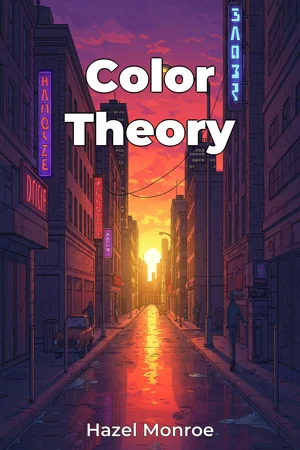
Can color truly be a language? This book, *Color Theory*, explores the multifaceted role of color as it pertains to mood, composition, and storytelling within both digital and traditional comics. Color is more than a decorative element; it's a powerful tool that can significantly impact how a story is perceived and felt. Understanding the principles of color theory empowers artists and storytellers to craft more compelling and emotionally resonant narratives. This book emphasizes two primary concepts: the psychological impact of color and its structural function within visual storytelling. The psychological aspect delves into how different colors evoke specific emotions and associations in viewers, drawing upon principles established in color psychology and art therapy. Color's structural function explores how artists can strategically employ color to guide the eye, create depth, establish hierarchies, and enhance the overall visual coherence of a comic page. These topics are important because they equip creators with a systematic understanding of color, enabling them to make informed decisions that improve their work. To provide context, the book examines the historical evolution of color usage in comics, from the early days of limited palettes and printing technologies to the sophisticated digital coloring techniques available today. We will also consider the social and cultural contexts that shape our perceptions of color, recognizing that associations can vary across different cultures and time periods. The reader needs a rudimentary understanding of art fundamentals such as line, shape, and value to best grasp the discussions surrounding color relationships and visual hierarchy. The central argument posits that a deliberate and informed application of color theory is essential for effective visual communication in comics. Color should not be an afterthought but an integral component of the storytelling process, carefully considered and strategically employed to enhance the narrative. This argument holds significance because it challenges the notion of color as merely aesthetic and promotes it as a vital instrument in the storyteller's toolkit. The book is structured to provide a comprehensive learning experience. It begins with an introduction to the fundamental principles of color theory, including the color wheel, color harmonies, and color mixing. Subsequently, it develops these ideas through three major sections. The first explores the psychological impact of individual colors and color combinations. The second examines the role of color in composition, focusing on techniques such as color contrast, value scales, and atmospheric perspective. The third delves into how color can be used to enhance storytelling, discussing its application in character design, setting the mood, and conveying symbolic meaning. The book culminates with practical exercises and case studies demonstrating how to apply these principles in real-world comic projects. The arguments presented are supported by a combination of historical analysis, scientific research, and examples from a wide range of comics, both classic and contemporary. Visual examples form a core component of the book, illustrating key concepts with clear and compelling imagery. Additionally, the book references research from color psychology, visual perception, and design theory to provide a solid foundation for the practical applications discussed. This book connects to several interdisciplinary fields. Firstly, it draws heavily on psychology in its exploration of emotional responses to color. Secondly, it connects to visual communication by examining how color facilitates understanding and guides the viewer's eye. Thirdly, it relates to cultural studies by acknowledging the social and cultural influences on color perception. These connections enrich the book's argument by providing a broader perspective on the multifaceted nature of color. This book distinguishes itself by taking a practical, application-focused approach to color theory within the specific context of comics. It moves beyond abstract theory to provide concrete strategies and techniques that creators can implement to improve their work. The tone is informative yet accessible, designed to guide readers through potentially complex concepts in an engaging and understandable manner. The target audience includes aspiring and professional comic artists, illustrators, graphic designers, and anyone interested in visual storytelling. This book is valuable to them because it offers a structured and practical guide to mastering the use of color in their creative endeavors. As a design and art book, *Color Theory* is rich in visuals and practical instruction, offering a blend of foundational knowledge with hands-on exercises relevant to the comic industry. The scope of the book is broad, covering a wide range of color concepts and techniques, but it is intentionally limited to their application within the field of comics. It does not delve into the specifics of color management for print or digital media, focusing instead on the creative and expressive use of color in visual storytelling. The information in this book can be applied practically by using the exercises and case studies provided, experimenting with different color palettes, and analyzing the use of color in existing comics. Color choices can be deliberately manipulated to improve mood, enhance character development and guide readers through the narrative. While there are established color theories, debates exist regarding their interpretation and application in specific contexts. This book acknowledges these debates and encourages readers to critically assess the principles presented.
Can color truly be a language? This book, *Color Theory*, explores the multifaceted role of color as it pertains to mood, composition, and storytelling within both digital and traditional comics. Color is more than a decorative element; it's a powerful tool that can significantly impact how a story is perceived and felt. Understanding the principles of color theory empowers artists and storytellers to craft more compelling and emotionally resonant narratives. This book emphasizes two primary concepts: the psychological impact of color and its structural function within visual storytelling. The psychological aspect delves into how different colors evoke specific emotions and associations in viewers, drawing upon principles established in color psychology and art therapy. Color's structural function explores how artists can strategically employ color to guide the eye, create depth, establish hierarchies, and enhance the overall visual coherence of a comic page. These topics are important because they equip creators with a systematic understanding of color, enabling them to make informed decisions that improve their work. To provide context, the book examines the historical evolution of color usage in comics, from the early days of limited palettes and printing technologies to the sophisticated digital coloring techniques available today. We will also consider the social and cultural contexts that shape our perceptions of color, recognizing that associations can vary across different cultures and time periods. The reader needs a rudimentary understanding of art fundamentals such as line, shape, and value to best grasp the discussions surrounding color relationships and visual hierarchy. The central argument posits that a deliberate and informed application of color theory is essential for effective visual communication in comics. Color should not be an afterthought but an integral component of the storytelling process, carefully considered and strategically employed to enhance the narrative. This argument holds significance because it challenges the notion of color as merely aesthetic and promotes it as a vital instrument in the storyteller's toolkit. The book is structured to provide a comprehensive learning experience. It begins with an introduction to the fundamental principles of color theory, including the color wheel, color harmonies, and color mixing. Subsequently, it develops these ideas through three major sections. The first explores the psychological impact of individual colors and color combinations. The second examines the role of color in composition, focusing on techniques such as color contrast, value scales, and atmospheric perspective. The third delves into how color can be used to enhance storytelling, discussing its application in character design, setting the mood, and conveying symbolic meaning. The book culminates with practical exercises and case studies demonstrating how to apply these principles in real-world comic projects. The arguments presented are supported by a combination of historical analysis, scientific research, and examples from a wide range of comics, both classic and contemporary. Visual examples form a core component of the book, illustrating key concepts with clear and compelling imagery. Additionally, the book references research from color psychology, visual perception, and design theory to provide a solid foundation for the practical applications discussed. This book connects to several interdisciplinary fields. Firstly, it draws heavily on psychology in its exploration of emotional responses to color. Secondly, it connects to visual communication by examining how color facilitates understanding and guides the viewer's eye. Thirdly, it relates to cultural studies by acknowledging the social and cultural influences on color perception. These connections enrich the book's argument by providing a broader perspective on the multifaceted nature of color. This book distinguishes itself by taking a practical, application-focused approach to color theory within the specific context of comics. It moves beyond abstract theory to provide concrete strategies and techniques that creators can implement to improve their work. The tone is informative yet accessible, designed to guide readers through potentially complex concepts in an engaging and understandable manner. The target audience includes aspiring and professional comic artists, illustrators, graphic designers, and anyone interested in visual storytelling. This book is valuable to them because it offers a structured and practical guide to mastering the use of color in their creative endeavors. As a design and art book, *Color Theory* is rich in visuals and practical instruction, offering a blend of foundational knowledge with hands-on exercises relevant to the comic industry. The scope of the book is broad, covering a wide range of color concepts and techniques, but it is intentionally limited to their application within the field of comics. It does not delve into the specifics of color management for print or digital media, focusing instead on the creative and expressive use of color in visual storytelling. The information in this book can be applied practically by using the exercises and case studies provided, experimenting with different color palettes, and analyzing the use of color in existing comics. Color choices can be deliberately manipulated to improve mood, enhance character development and guide readers through the narrative. While there are established color theories, debates exist regarding their interpretation and application in specific contexts. This book acknowledges these debates and encourages readers to critically assess the principles presented.
*Color Theory* explores how color functions as a language in comics, impacting mood, composition, and visual storytelling. It moves beyond color as mere decoration, revealing its power to shape emotional resonance and guide the reader's eye. The book emphasizes color psychology, showing how different colors evoke specific emotions, and examines color's structural role in creating depth and visual coherence. The book examines the historical evolution of color in comics, from early limited palettes to today's digital techniques. Each section builds upon the previous one, starting with color theory fundamentals like the color wheel and harmonies. It then progresses to the psychological impact of color and its role in composition, concluding with its application in character design and setting the mood. This book uniquely focuses on practical applications within the comics medium, providing concrete strategies for artists and designers. Through case studies and exercises, readers learn to apply color principles to enhance their visual communication and character design skills, making it an invaluable resource for both aspiring and professional comic creators.
Book Details
ISBN
9788235265050
Publisher
Publifye AS
Your Licenses
You don't own any licenses for this book
Purchase a license below to unlock this book and download the EPUB.
Purchase License
Select a tier to unlock this book
Need bulk licensing?
Contact us for enterprise agreements.