
About This Book
Have you ever wondered how ancient societies, without the precision of modern clocks and calendars, structured their lives and understood the passage of time? Celtic Time delves into the fascinating world of the Celts, revealing their intricate methods of timekeeping and their deeply interwoven relationship with the natural world. This book explores how the Celts measured time not through abstract units, but through the tangible realities of festivals, lunar cycles, and a sophisticated understanding of seasonal transitions. These elements weren't merely about marking days; they were fundamental to the Celtic worldview, shaping their social structures, agricultural practices, and spiritual beliefs. Celtic Time examines three key topics: the significance of Celtic festivals as temporal markers, the Celts' astute observations and utilization of lunar cycles, and their profound knowledge of seasonal changes and their influence on daily life. These topics are essential because they illuminate a culture that thrived in harmony with nature, demonstrating a unique approach to understanding and living within the rhythms of the Earth. Understanding these concepts provides insights into the Celts' resourcefulness, intellectual curiosity, and spiritual connection to their environment. To fully appreciate Celtic timekeeping, it's important to understand the historical and social context of Celtic society. Emerging in Iron Age Europe, Celtic cultures spread across a wide geographical area, each with its own variations but united by shared linguistic and cultural traits. Their understanding of time was deeply rooted in their agrarian lifestyle, where the cycles of planting, growth, and harvest dictated the rhythm of their lives. This book provides a accessible background on Celtic history, society, and mythology, ensuring a broad understanding for readers from all backgrounds. The central argument of Celtic Time is that the Celts possessed a complex and nuanced understanding of time, far exceeding simple agricultural necessity. Their timekeeping methods reflect a profound connection to the natural world and a sophisticated system of knowledge based on generations of observation and practical experience. This argument is important because it challenges the common perception of ancient cultures as primitive or unsophisticated, revealing the depth of their intellectual and spiritual lives. The book is structured to guide the reader through a comprehensive exploration of Celtic time. It begins by introducing the fundamental concepts of Celtic timekeeping, highlighting festivals, lunar cycles, and seasonal transitions. It then develops these ideas, with dedicated chapters exploring: 1) The Celtic calendar and the significance of festivals like Samhain, Beltane, Imbolc, and Lughnasadh, detailing their rituals, social functions, and temporal significance. 2) An analysis of lunar observations and how they were used to regulate agricultural practices, predict tides, and inform religious ceremonies. 3) An investigation into the Celts' understanding of seasonal transitions, examining how they tracked solstices, equinoxes, and other key astronomical events, and how these events influenced their daily lives and spiritual beliefs. The book culminates in a discussion of how Celtic timekeeping shaped their worldview and continues to resonate in contemporary culture, while also examining practical applications of Celtic seasonal awareness. The evidence presented in Celtic Time is drawn from a variety of sources, including archaeological findings, historical texts, folklore, and linguistic analysis. The book also incorporates recent scholarship on Celtic astronomy and calendrical systems, providing a comprehensive and up-to-date overview of the topic. Unique data sources, such as inscriptions on ancient artifacts and comparative analysis of Celtic languages, offer new insights into Celtic timekeeping practices. Celtic Time connects to other fields of study, including astronomy, anthropology, and religious studies. By exploring the astronomical knowledge of the Celts, it bridges the gap between ancient cultures and the scientific understanding of the cosmos. Its anthropological perspective offers insights into the social and cultural significance of timekeeping practices. Finally, its exploration of Celtic spirituality reveals the religious dimensions of their temporal awareness. These interdisciplinary connections enrich the book's argument, demonstrating the complexity and interconnectedness of Celtic culture. This book offers a unique perspective by focusing on the practical and spiritual dimensions of Celtic timekeeping. It moves beyond purely historical accounts to explore the lived experience of time in Celtic society, shedding light on their relationship with nature, their understanding of the cosmos, and their spiritual beliefs. The writing style is accessible and engaging, avoiding academic jargon and technical language while maintaining scholarly rigor. The book is aimed at a general audience with an interest in Celtic history, mythology, archaeology, or astronomy. It would also appeal to those interested in alternative approaches to timekeeping and sustainable living. As a work of non-fiction history with elements of earth science and geography, Celtic Time presents verifiable facts and interpretations based on research. Speculation is clearly identified, and alternative viewpoints are fairly presented. The scope of the book is limited to the study of timekeeping practices among Celtic cultures in Europe. While it acknowledges the diversity of Celtic societies, it focuses on common themes and shared traditions. The information presented in Celtic Time can be applied practically by readers interested in reconnecting with natural rhythms and living in greater harmony with the seasons. It offers insights into traditional agricultural practices, mindfulness techniques, and spiritual practices that can enhance one's understanding of time and improve overall well-being. While there are ongoing debates about the precise methods and interpretations of Celtic timekeeping, this book presents a balanced and nuanced view of the evidence, acknowledging the limitations of our knowledge and exploring alternative perspectives.
Have you ever wondered how ancient societies, without the precision of modern clocks and calendars, structured their lives and understood the passage of time? Celtic Time delves into the fascinating world of the Celts, revealing their intricate methods of timekeeping and their deeply interwoven relationship with the natural world. This book explores how the Celts measured time not through abstract units, but through the tangible realities of festivals, lunar cycles, and a sophisticated understanding of seasonal transitions. These elements weren't merely about marking days; they were fundamental to the Celtic worldview, shaping their social structures, agricultural practices, and spiritual beliefs. Celtic Time examines three key topics: the significance of Celtic festivals as temporal markers, the Celts' astute observations and utilization of lunar cycles, and their profound knowledge of seasonal changes and their influence on daily life. These topics are essential because they illuminate a culture that thrived in harmony with nature, demonstrating a unique approach to understanding and living within the rhythms of the Earth. Understanding these concepts provides insights into the Celts' resourcefulness, intellectual curiosity, and spiritual connection to their environment. To fully appreciate Celtic timekeeping, it's important to understand the historical and social context of Celtic society. Emerging in Iron Age Europe, Celtic cultures spread across a wide geographical area, each with its own variations but united by shared linguistic and cultural traits. Their understanding of time was deeply rooted in their agrarian lifestyle, where the cycles of planting, growth, and harvest dictated the rhythm of their lives. This book provides a accessible background on Celtic history, society, and mythology, ensuring a broad understanding for readers from all backgrounds. The central argument of Celtic Time is that the Celts possessed a complex and nuanced understanding of time, far exceeding simple agricultural necessity. Their timekeeping methods reflect a profound connection to the natural world and a sophisticated system of knowledge based on generations of observation and practical experience. This argument is important because it challenges the common perception of ancient cultures as primitive or unsophisticated, revealing the depth of their intellectual and spiritual lives. The book is structured to guide the reader through a comprehensive exploration of Celtic time. It begins by introducing the fundamental concepts of Celtic timekeeping, highlighting festivals, lunar cycles, and seasonal transitions. It then develops these ideas, with dedicated chapters exploring: 1) The Celtic calendar and the significance of festivals like Samhain, Beltane, Imbolc, and Lughnasadh, detailing their rituals, social functions, and temporal significance. 2) An analysis of lunar observations and how they were used to regulate agricultural practices, predict tides, and inform religious ceremonies. 3) An investigation into the Celts' understanding of seasonal transitions, examining how they tracked solstices, equinoxes, and other key astronomical events, and how these events influenced their daily lives and spiritual beliefs. The book culminates in a discussion of how Celtic timekeeping shaped their worldview and continues to resonate in contemporary culture, while also examining practical applications of Celtic seasonal awareness. The evidence presented in Celtic Time is drawn from a variety of sources, including archaeological findings, historical texts, folklore, and linguistic analysis. The book also incorporates recent scholarship on Celtic astronomy and calendrical systems, providing a comprehensive and up-to-date overview of the topic. Unique data sources, such as inscriptions on ancient artifacts and comparative analysis of Celtic languages, offer new insights into Celtic timekeeping practices. Celtic Time connects to other fields of study, including astronomy, anthropology, and religious studies. By exploring the astronomical knowledge of the Celts, it bridges the gap between ancient cultures and the scientific understanding of the cosmos. Its anthropological perspective offers insights into the social and cultural significance of timekeeping practices. Finally, its exploration of Celtic spirituality reveals the religious dimensions of their temporal awareness. These interdisciplinary connections enrich the book's argument, demonstrating the complexity and interconnectedness of Celtic culture. This book offers a unique perspective by focusing on the practical and spiritual dimensions of Celtic timekeeping. It moves beyond purely historical accounts to explore the lived experience of time in Celtic society, shedding light on their relationship with nature, their understanding of the cosmos, and their spiritual beliefs. The writing style is accessible and engaging, avoiding academic jargon and technical language while maintaining scholarly rigor. The book is aimed at a general audience with an interest in Celtic history, mythology, archaeology, or astronomy. It would also appeal to those interested in alternative approaches to timekeeping and sustainable living. As a work of non-fiction history with elements of earth science and geography, Celtic Time presents verifiable facts and interpretations based on research. Speculation is clearly identified, and alternative viewpoints are fairly presented. The scope of the book is limited to the study of timekeeping practices among Celtic cultures in Europe. While it acknowledges the diversity of Celtic societies, it focuses on common themes and shared traditions. The information presented in Celtic Time can be applied practically by readers interested in reconnecting with natural rhythms and living in greater harmony with the seasons. It offers insights into traditional agricultural practices, mindfulness techniques, and spiritual practices that can enhance one's understanding of time and improve overall well-being. While there are ongoing debates about the precise methods and interpretations of Celtic timekeeping, this book presents a balanced and nuanced view of the evidence, acknowledging the limitations of our knowledge and exploring alternative perspectives.
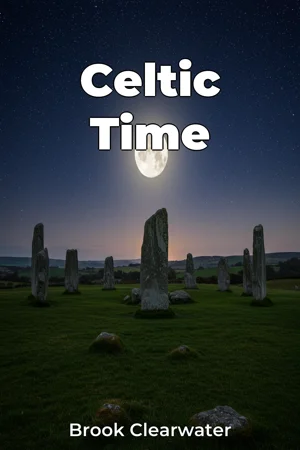
Celtic Time explores how ancient Celtic societies perceived and measured time, deeply intertwined with the natural world. Eschewing modern clocks, the Celts relied on festivals, lunar cycles, and seasonal transitions to structure their lives. These methods weren't just about marking days; they shaped their social structures, agricultural practices, and spiritual beliefs, revealing a sophisticated understanding of earth sciences geography. For example, key festivals like Samhain and Beltane held significant temporal and cultural importance. The book delves into the Celtic calendar, examining the significance of festivals like Imbolc and Lughnasadh, detailing their rituals and temporal importance. It analyzes lunar observations, revealing how the Celts used them to regulate agriculture and inform religious ceremonies. Furthermore, it investigates the Celts' deep insight into seasonal transitions, tracking solstices and equinoxes, and their influence on daily life. Celtic Time demonstrates that the Celts possessed a complex understanding of time, reflecting a profound connection to nature and a sophisticated knowledge system.
Book Details
ISBN
9788235264749
Publisher
Publifye AS
Your Licenses
You don't own any licenses for this book
Purchase a license below to unlock this book and download the EPUB.
Purchase License
Select a tier to unlock this book
Need bulk licensing?
Contact us for enterprise agreements.