
About This Book
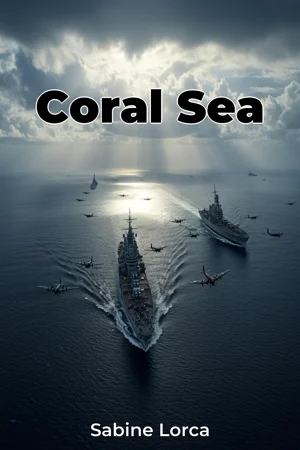
What if one naval battle could alter the entire course of a global war? This book, "Coral Sea," examines the pivotal clash in May 1942, revealing its significance in reshaping the Pacific Theater of World War II. The book delves into the strategic context, the intricate details of the battle itself, and the long-term consequences that rippled across the Pacific and beyond. This work will primarily focus on the strategic importance of the Coral Sea, the tactical innovations employed during the battle, and the profound impact the battle had on halting Japanese expansion. These topics are central to understanding the war’s trajectory and the evolving nature of naval warfare. The book provides a comprehensive historical backdrop, starting with Japan's rapid expansion across Southeast Asia and the Pacific in the months following Pearl Harbor. It outlines America’s desperate need to halt this advance and Australia’s vulnerability to invasion. Understanding the geopolitical landscape of the time is crucial to fully grasp the stakes involved in the Coral Sea. The central argument is that the Battle of the Coral Sea, though a tactical draw, represented a crucial strategic victory for the Allies. It was the first time the Japanese advance had been checked, preventing the capture of Port Moresby in New Guinea, a key location for a potential invasion of Australia. The book is structured to systematically build this argument. First, it sets the stage by detailing the pre-war strategies and the early months of the Pacific War. Next, it dissects the battle itself, analyzing the opposing fleets, the key decisions made by commanders, and the technological innovations on display, such as the use of carrier-based aircraft. The book culminates by assessing the battle’s strategic outcome and implications, including its influence on the subsequent Battle of Midway and the overall Allied war effort. The analysis relies on a synthesis of primary source documents, including naval war diaries, personal accounts from veterans, and decoded Japanese communications. It also incorporates secondary historical accounts and scholarly analyses of the battle and its context. "Coral Sea" connects to broader fields such as military strategy, political science, and economic history. The battle illustrates principles of power projection, resource allocation, and the interplay between military action and political objectives. It also touches upon the economic constraints faced by both sides in maintaining their war efforts. This book brings a focused perspective to the Coral Sea, going beyond a simple retelling of events. It highlights the critical decision-making processes of the commanders involved, analyzing the intelligence available to them, the risks they took, and the consequences of their choices. The tone is factual and analytical, aiming to provide a clear and objective account of the battle and its significance. The writing style is accessible to both scholars and general readers interested in military history. The intended audience includes military history enthusiasts, students of World War II, and anyone interested in naval strategy and the Pacific Theater. The book aims to provide valuable insights into a complex and crucial event in world history. Adhering to the conventions of military history, the book includes detailed maps, photographs, and appendices with orders of battle and casualty figures. It avoids speculation and focuses on verifiable facts and evidence-based conclusions. The book focuses specifically on the Battle of the Coral Sea and its immediate context. It does not attempt to provide a comprehensive history of the entire Pacific War, instead concentrating on the specific strategic and tactical aspects of this engagement. The lessons from the Coral Sea remain relevant today. The book demonstrates the importance of naval power projection, the strategic value of geographic locations, and the impact of technological innovation on warfare. While the historical facts of the battle are generally agreed upon, debates continue regarding the specific contributions of individual commanders and the relative importance of different factors in determining the outcome. The book addresses these debates by presenting a balanced assessment of the available evidence.
What if one naval battle could alter the entire course of a global war? This book, "Coral Sea," examines the pivotal clash in May 1942, revealing its significance in reshaping the Pacific Theater of World War II. The book delves into the strategic context, the intricate details of the battle itself, and the long-term consequences that rippled across the Pacific and beyond. This work will primarily focus on the strategic importance of the Coral Sea, the tactical innovations employed during the battle, and the profound impact the battle had on halting Japanese expansion. These topics are central to understanding the war’s trajectory and the evolving nature of naval warfare. The book provides a comprehensive historical backdrop, starting with Japan's rapid expansion across Southeast Asia and the Pacific in the months following Pearl Harbor. It outlines America’s desperate need to halt this advance and Australia’s vulnerability to invasion. Understanding the geopolitical landscape of the time is crucial to fully grasp the stakes involved in the Coral Sea. The central argument is that the Battle of the Coral Sea, though a tactical draw, represented a crucial strategic victory for the Allies. It was the first time the Japanese advance had been checked, preventing the capture of Port Moresby in New Guinea, a key location for a potential invasion of Australia. The book is structured to systematically build this argument. First, it sets the stage by detailing the pre-war strategies and the early months of the Pacific War. Next, it dissects the battle itself, analyzing the opposing fleets, the key decisions made by commanders, and the technological innovations on display, such as the use of carrier-based aircraft. The book culminates by assessing the battle’s strategic outcome and implications, including its influence on the subsequent Battle of Midway and the overall Allied war effort. The analysis relies on a synthesis of primary source documents, including naval war diaries, personal accounts from veterans, and decoded Japanese communications. It also incorporates secondary historical accounts and scholarly analyses of the battle and its context. "Coral Sea" connects to broader fields such as military strategy, political science, and economic history. The battle illustrates principles of power projection, resource allocation, and the interplay between military action and political objectives. It also touches upon the economic constraints faced by both sides in maintaining their war efforts. This book brings a focused perspective to the Coral Sea, going beyond a simple retelling of events. It highlights the critical decision-making processes of the commanders involved, analyzing the intelligence available to them, the risks they took, and the consequences of their choices. The tone is factual and analytical, aiming to provide a clear and objective account of the battle and its significance. The writing style is accessible to both scholars and general readers interested in military history. The intended audience includes military history enthusiasts, students of World War II, and anyone interested in naval strategy and the Pacific Theater. The book aims to provide valuable insights into a complex and crucial event in world history. Adhering to the conventions of military history, the book includes detailed maps, photographs, and appendices with orders of battle and casualty figures. It avoids speculation and focuses on verifiable facts and evidence-based conclusions. The book focuses specifically on the Battle of the Coral Sea and its immediate context. It does not attempt to provide a comprehensive history of the entire Pacific War, instead concentrating on the specific strategic and tactical aspects of this engagement. The lessons from the Coral Sea remain relevant today. The book demonstrates the importance of naval power projection, the strategic value of geographic locations, and the impact of technological innovation on warfare. While the historical facts of the battle are generally agreed upon, debates continue regarding the specific contributions of individual commanders and the relative importance of different factors in determining the outcome. The book addresses these debates by presenting a balanced assessment of the available evidence.
"Coral Sea" meticulously examines the pivotal naval battle of the Coral Sea in May 1942, a key event in the Pacific Theater of World War II. Although a tactical draw, it represented a crucial strategic victory for the Allied war effort by halting Japanese expansion and preventing the capture of Port Moresby, which was a gateway to Australia. The book reveals how this clash reshaped the course of the war, highlighting the battle's profound impact on naval warfare and military strategy. The book explores the strategic importance of the Coral Sea, detailing Japan's rapid advance and the Allies' desperate need to check their momentum. The analysis draws from primary sources, including naval war diaries and decoded communications, to provide an objective account. The narrative progresses by first setting the stage with pre-war strategies, then dissecting the battle itself through the lens of naval power projection, and finally assessing the battle’s strategic outcome and its influence on subsequent events like the Battle of Midway. By focusing on the decision-making processes of commanders and the innovative use of carrier-based aircraft, "Coral Sea" offers valuable insights for military history enthusiasts and those interested in the broader implications of this decisive engagement. It emphasizes the strategic value of geographic locations, and connects to broader fields such as political science and economic history.
Book Details
ISBN
9788235264725
Publisher
Publifye AS
Your Licenses
You don't own any licenses for this book
Purchase a license below to unlock this book and download the EPUB.
Purchase License
Select a tier to unlock this book
Need bulk licensing?
Contact us for enterprise agreements.